

Blog
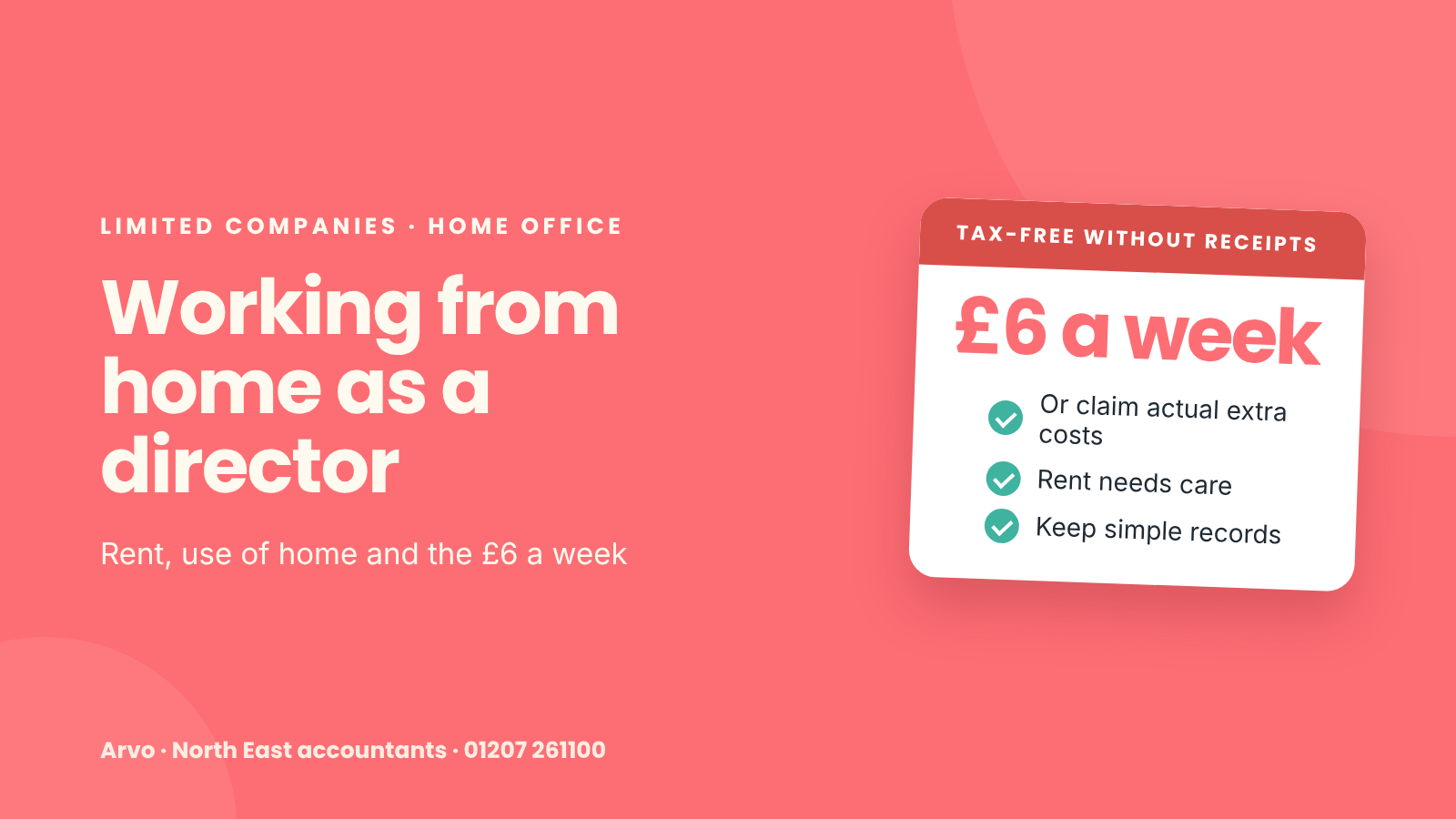
Working from home as a director: rent, use of home and the £6 a week
If you run your limited company from home, there are a few ways to claim the costs. Here's how each one works, and the traps to avoid with charging rent.
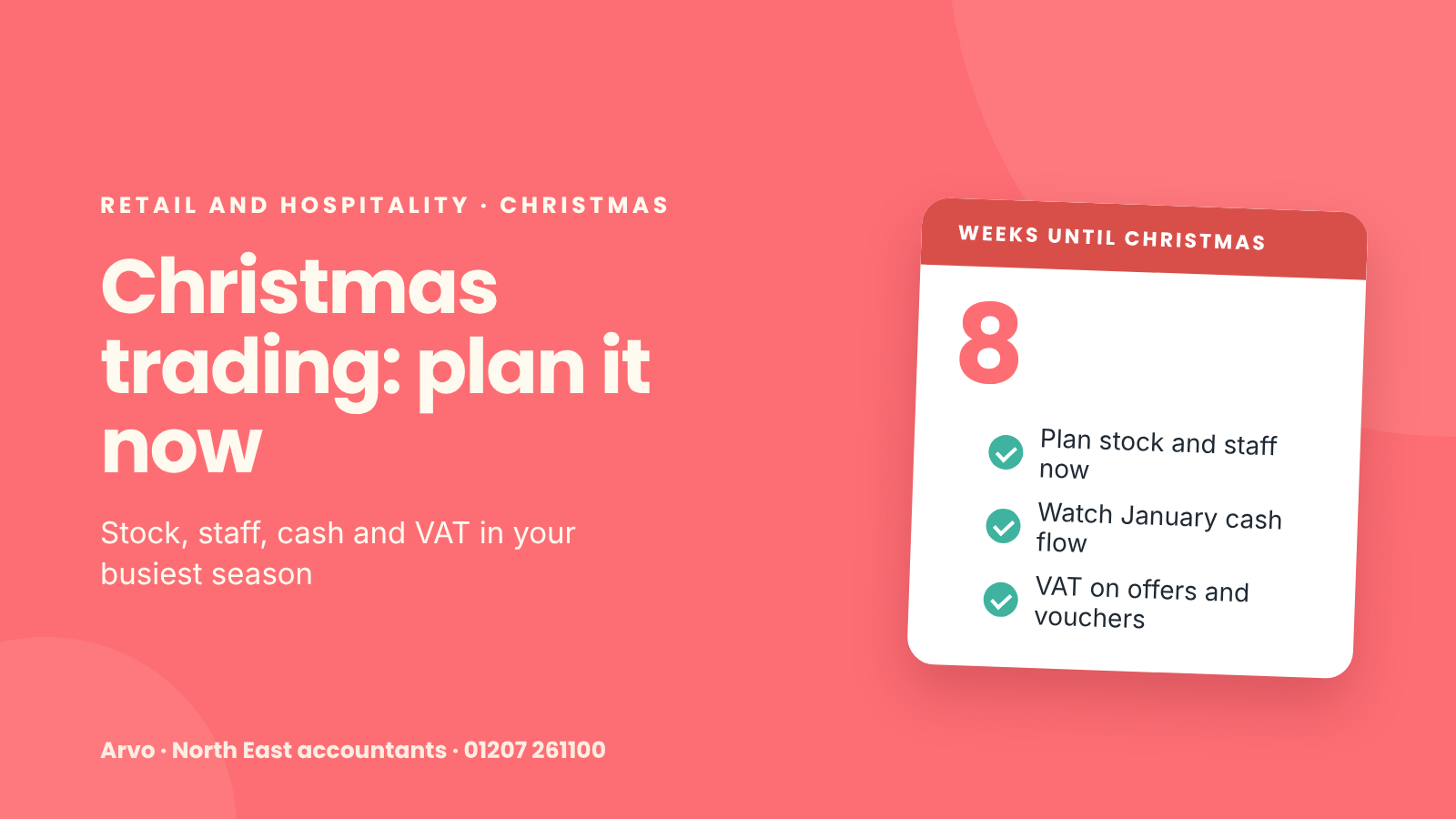
Christmas trading: managing stock, cash and VAT in your busiest season
For shops, pubs and online sellers, the run-up to Christmas can make or break the year. Here's how to plan stock, staff, cash and VAT.
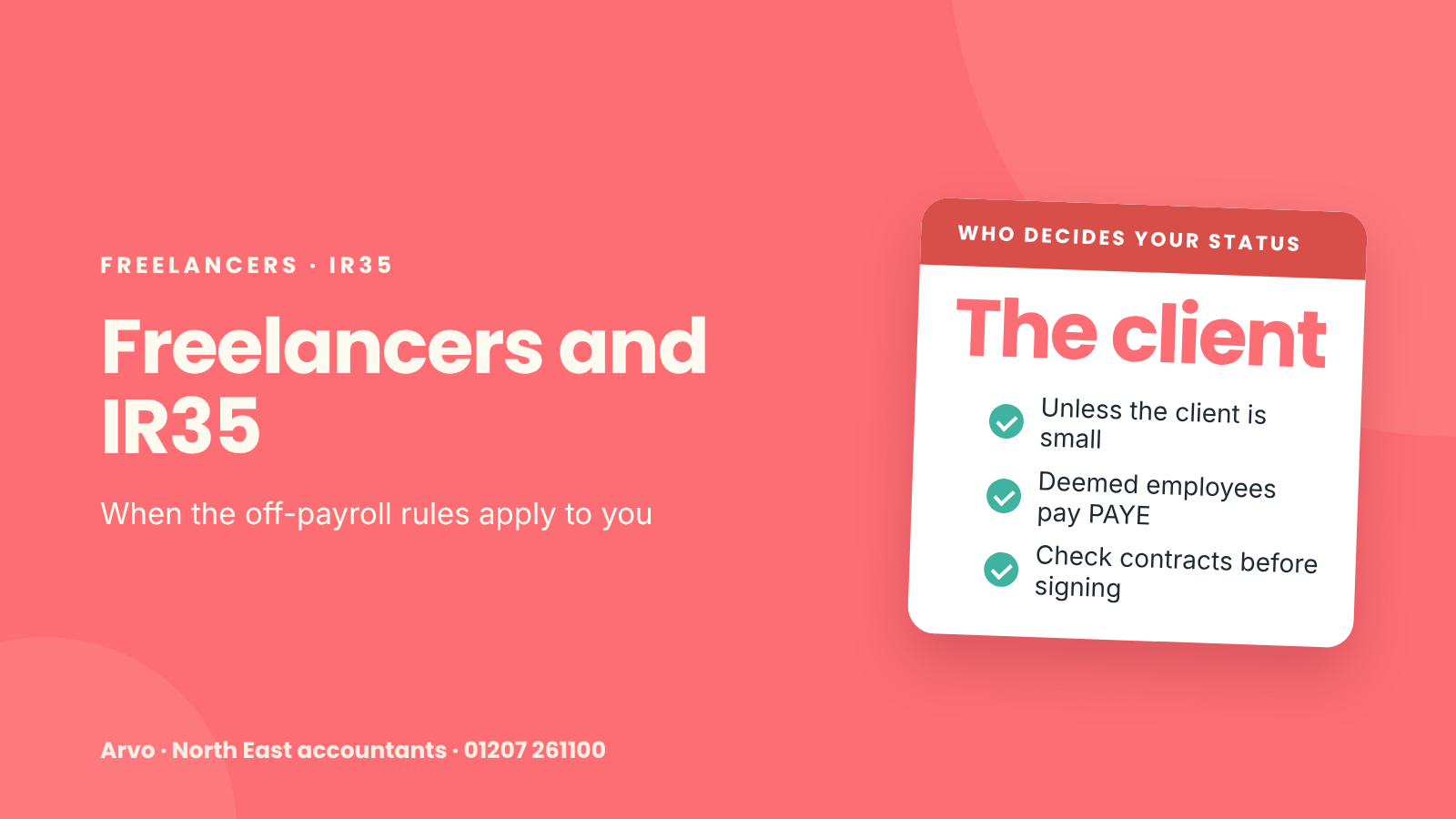
Freelancers and IR35: when the off-payroll rules apply
If you work through your own limited company, IR35 decides whether you're taxed like an employee. Here's who decides your status and what to check before you sign.
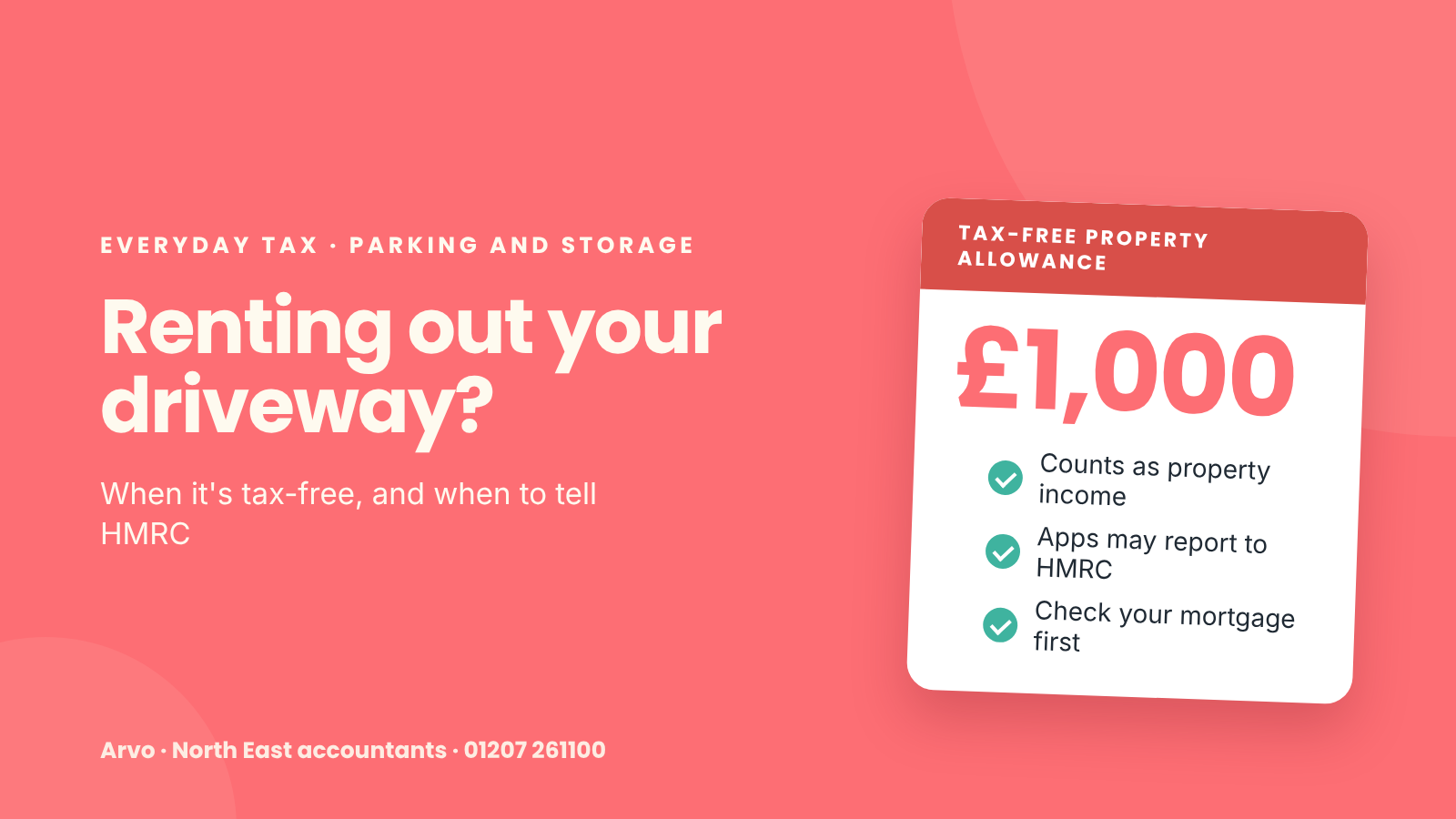
Renting out your driveway or parking space: is it taxable?
Renting out your driveway or garage through an app is a handy bit of extra income. Here's when it's tax-free and when you need to tell HMRC.
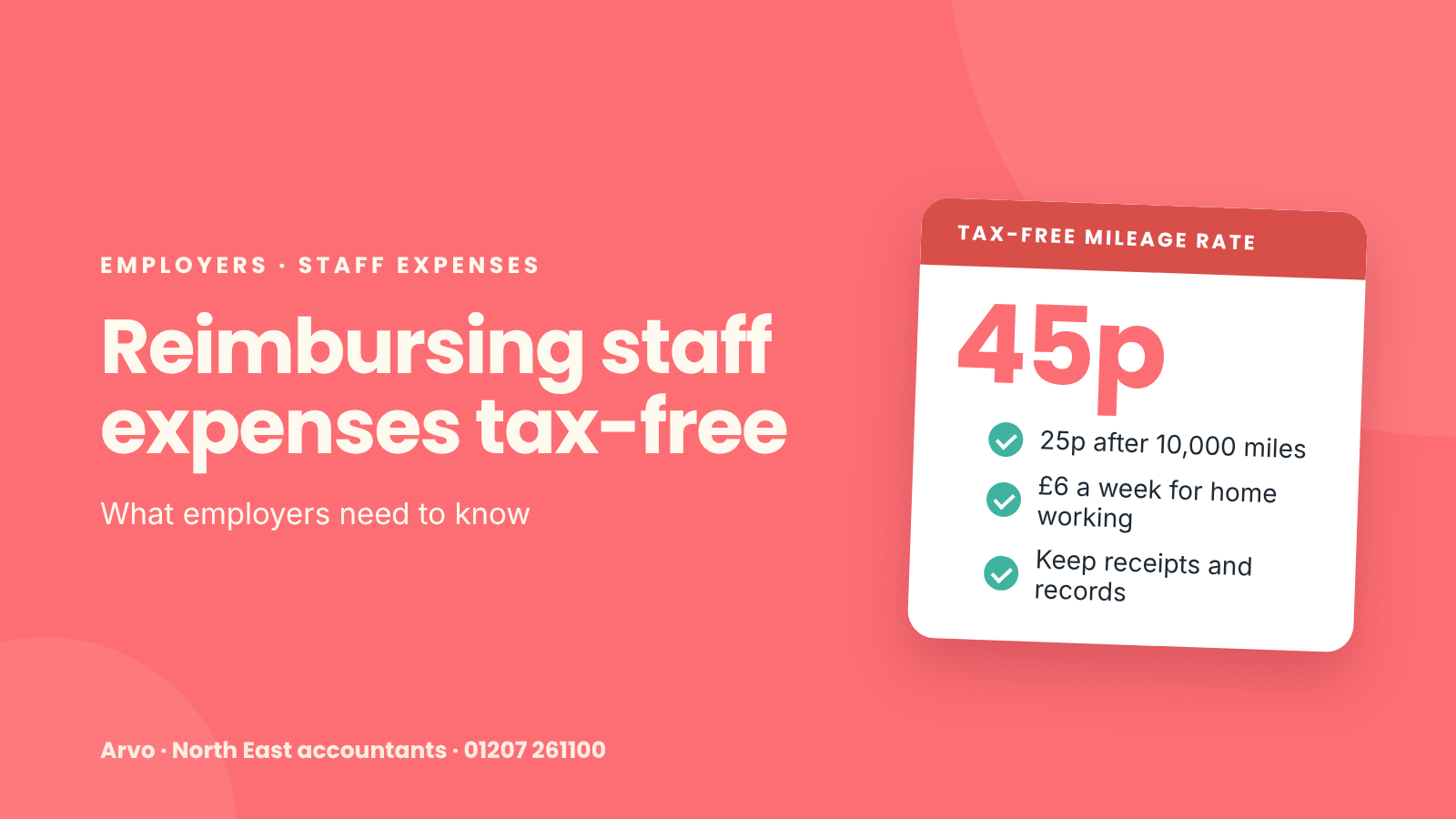
Reimbursing staff expenses without creating a tax bill
Paying staff back for business costs is usually tax-free, but get it wrong and it becomes taxable pay. Here's what employers need to know.
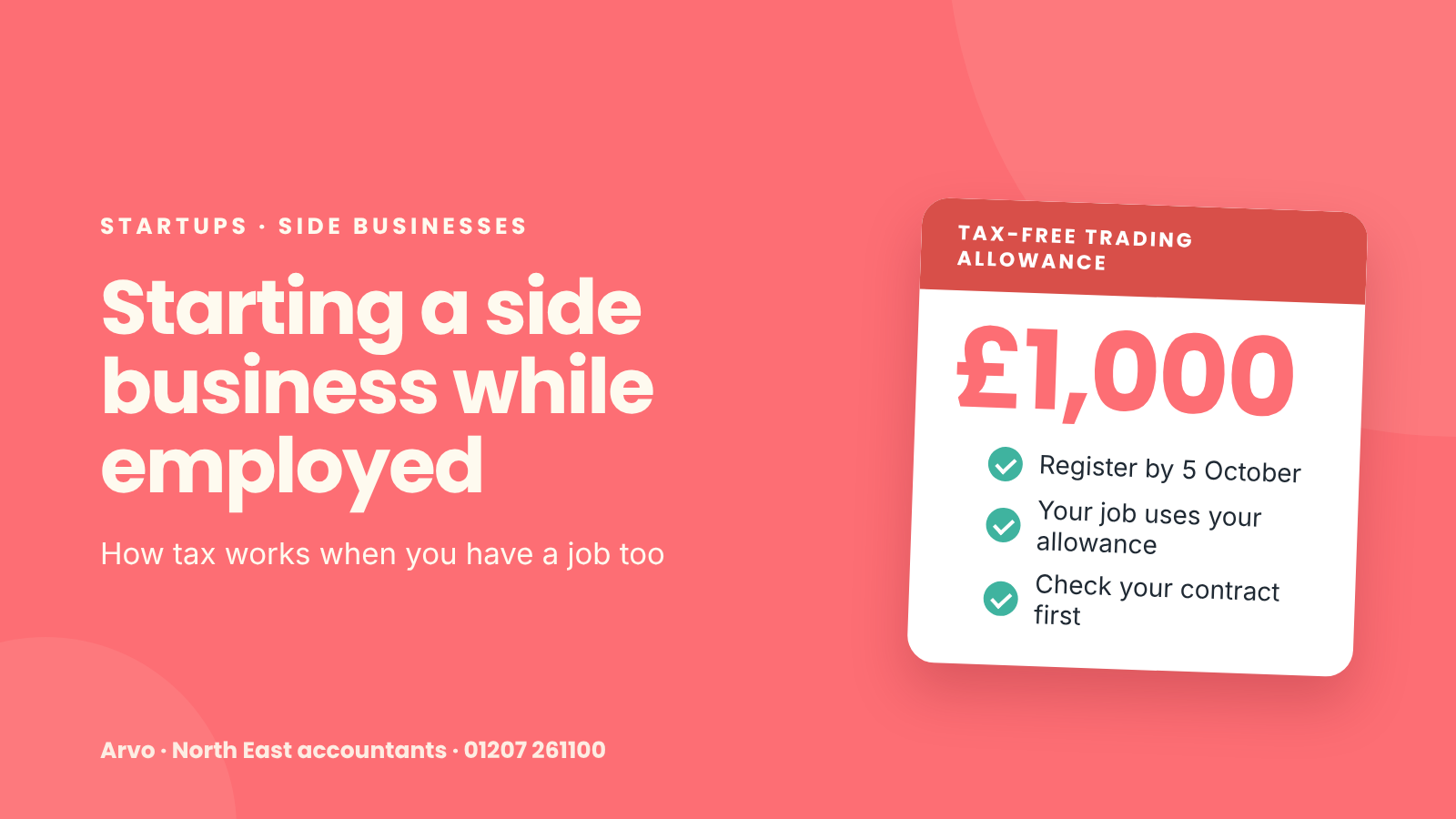
Starting a side business while employed
Thinking of starting something on the side while you keep your job? Here's how tax works when you're employed and self-employed at the same time.

Your first year in business: a tax timeline
Starting a business this tax year? Here's a timeline of the tax deadlines and checks in your first year, for sole traders and limited companies.
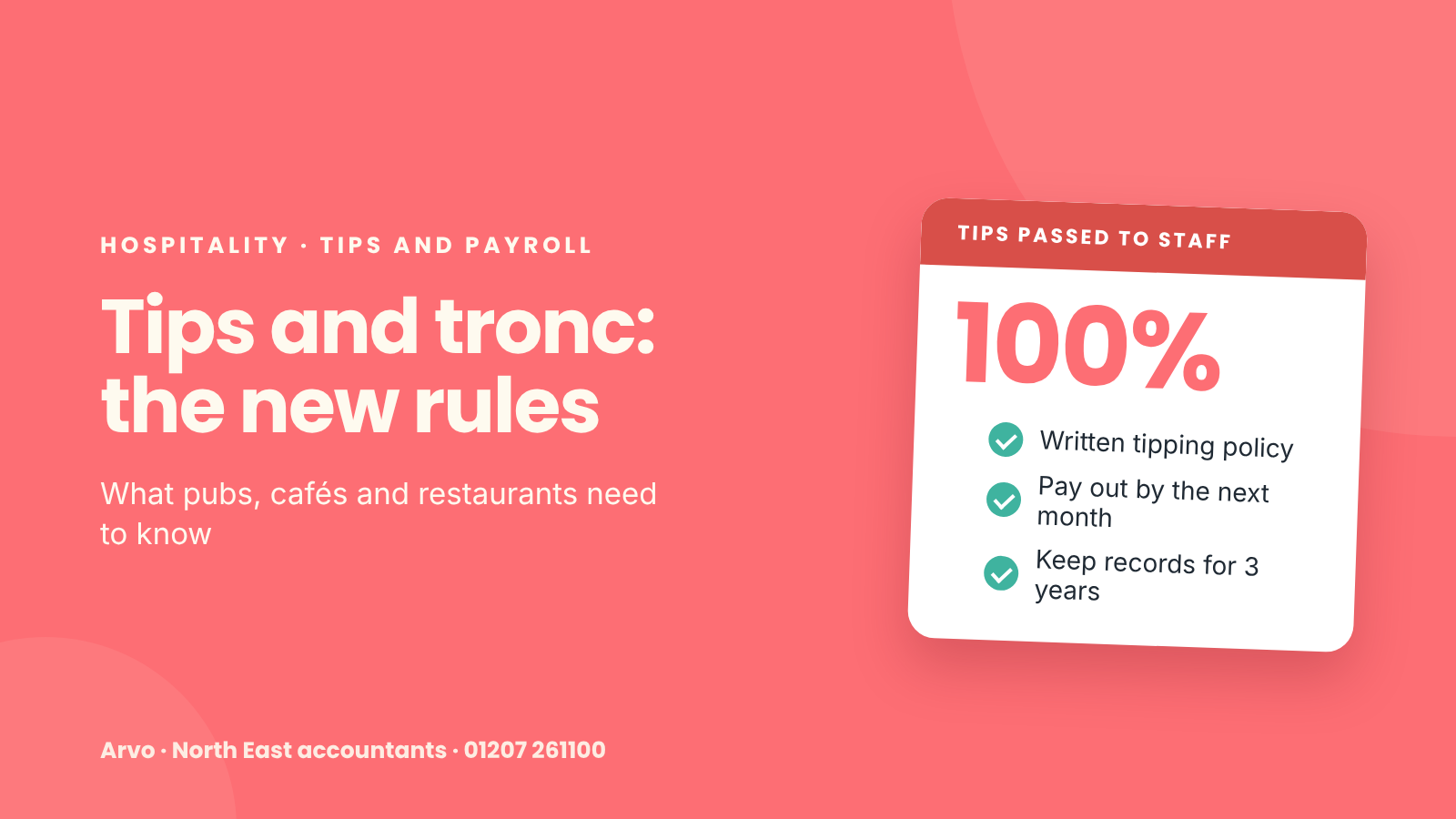
Tips and tronc: the new rules for pubs, cafés and restaurants
Since October 2024, employers must pass on all tips to their staff. Here's what the law requires, how tronc schemes work and when tax and NI are due.
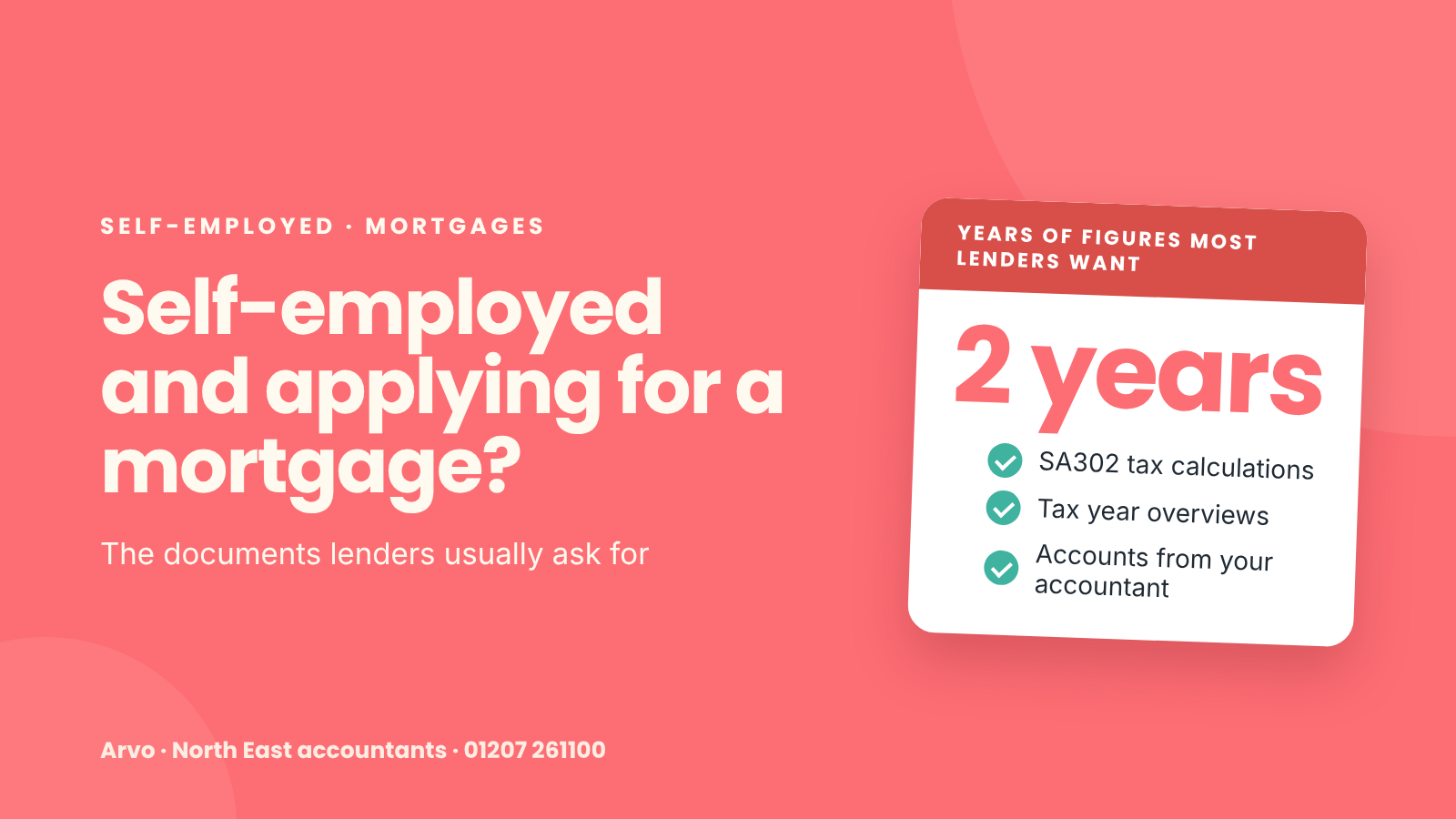
Self-employed and applying for a mortgage? The documents lenders want
Now your tax return is filed, it's a good time to think about a mortgage. Here's what lenders usually ask self-employed people and company directors for.
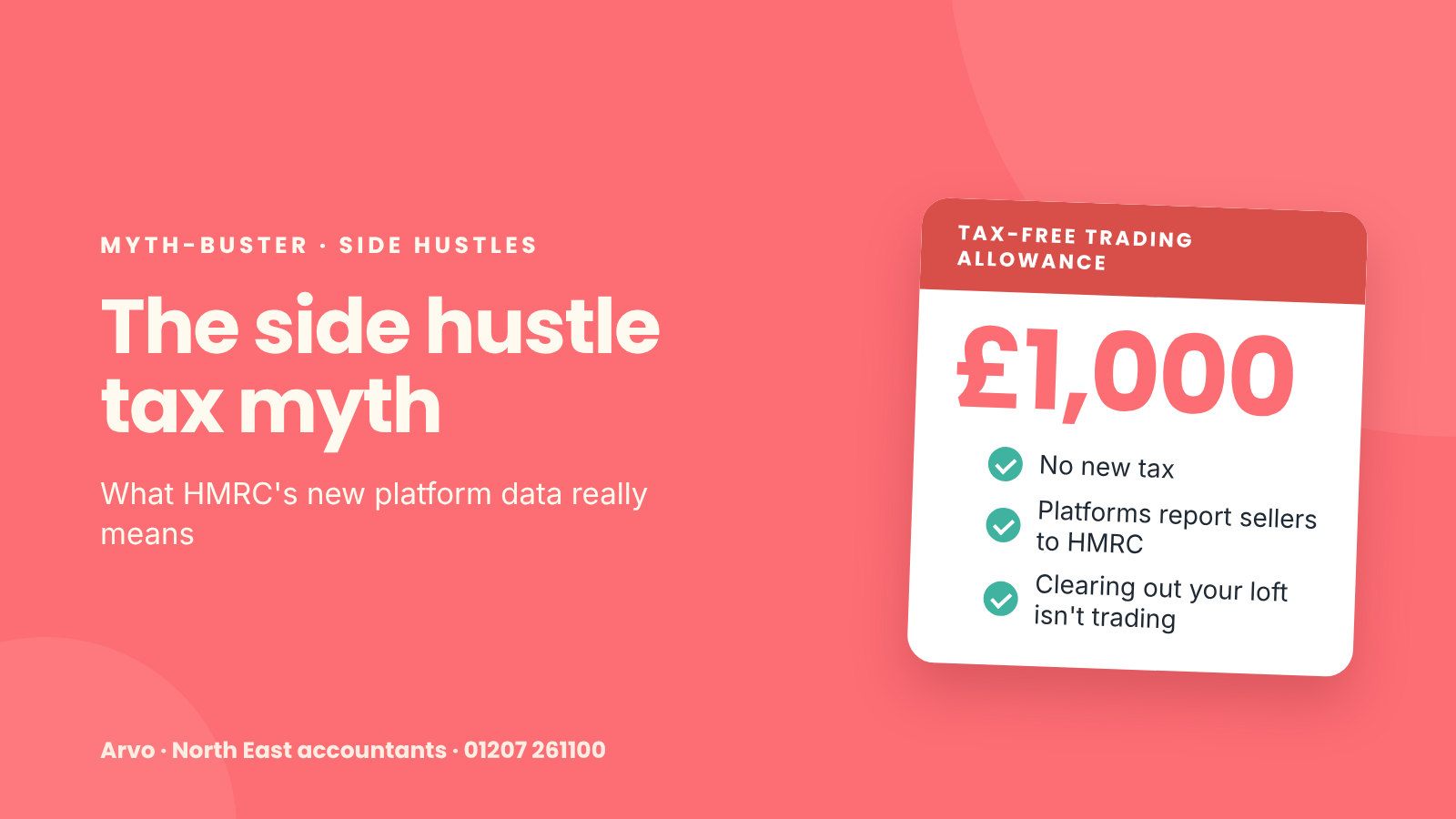
The 'side hustle tax' myth: what HMRC's new platform data really means
There's no new side hustle tax. But online platforms are now sharing seller data with HMRC. Here's who needs to act and who doesn't.
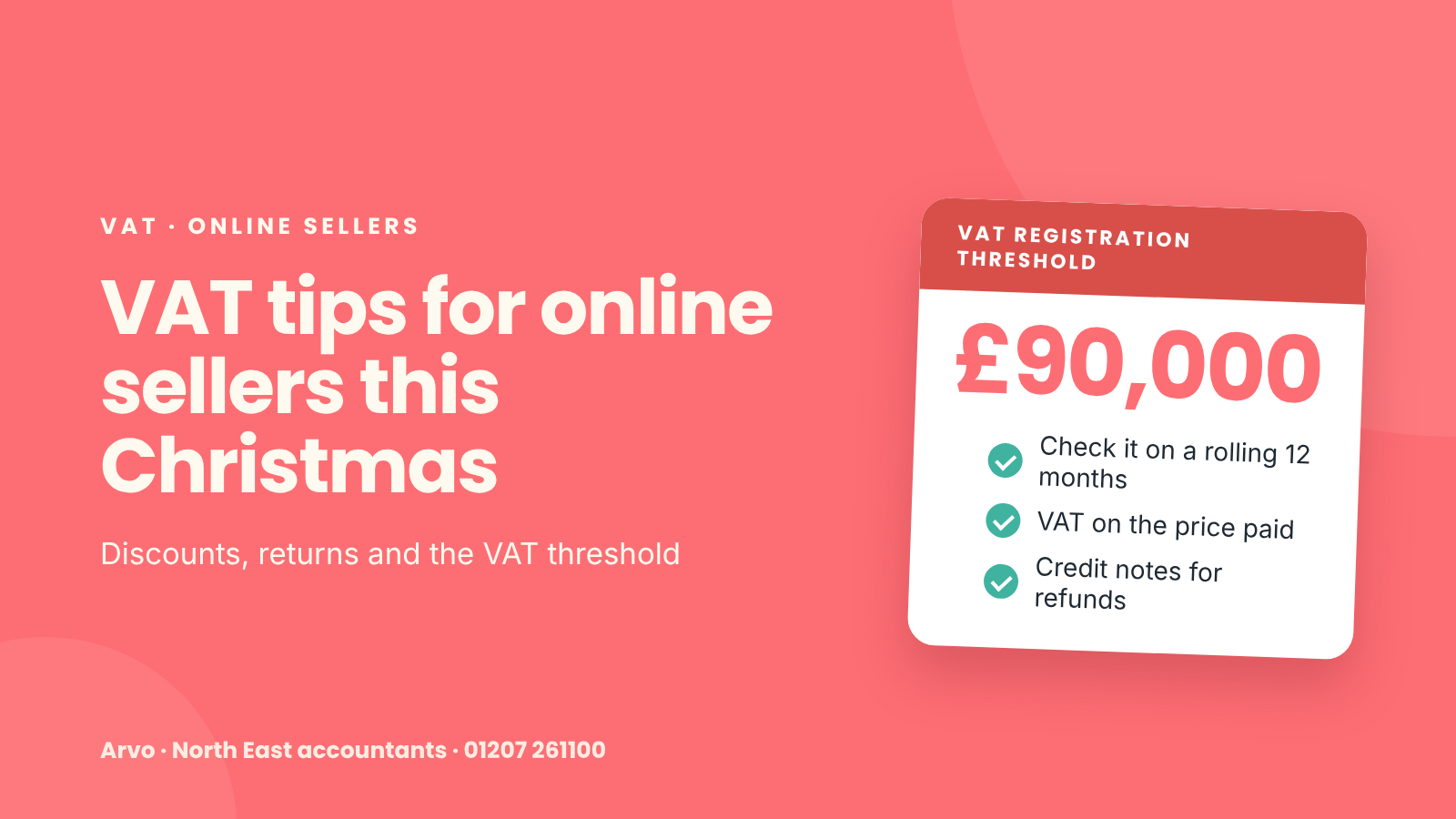
Black Friday to Christmas: VAT tips for online sellers
The run-up to Christmas is the busiest time of year for online sellers. Here's how to handle VAT on discounts, returns and marketplaces, and keep an eye on the threshold.
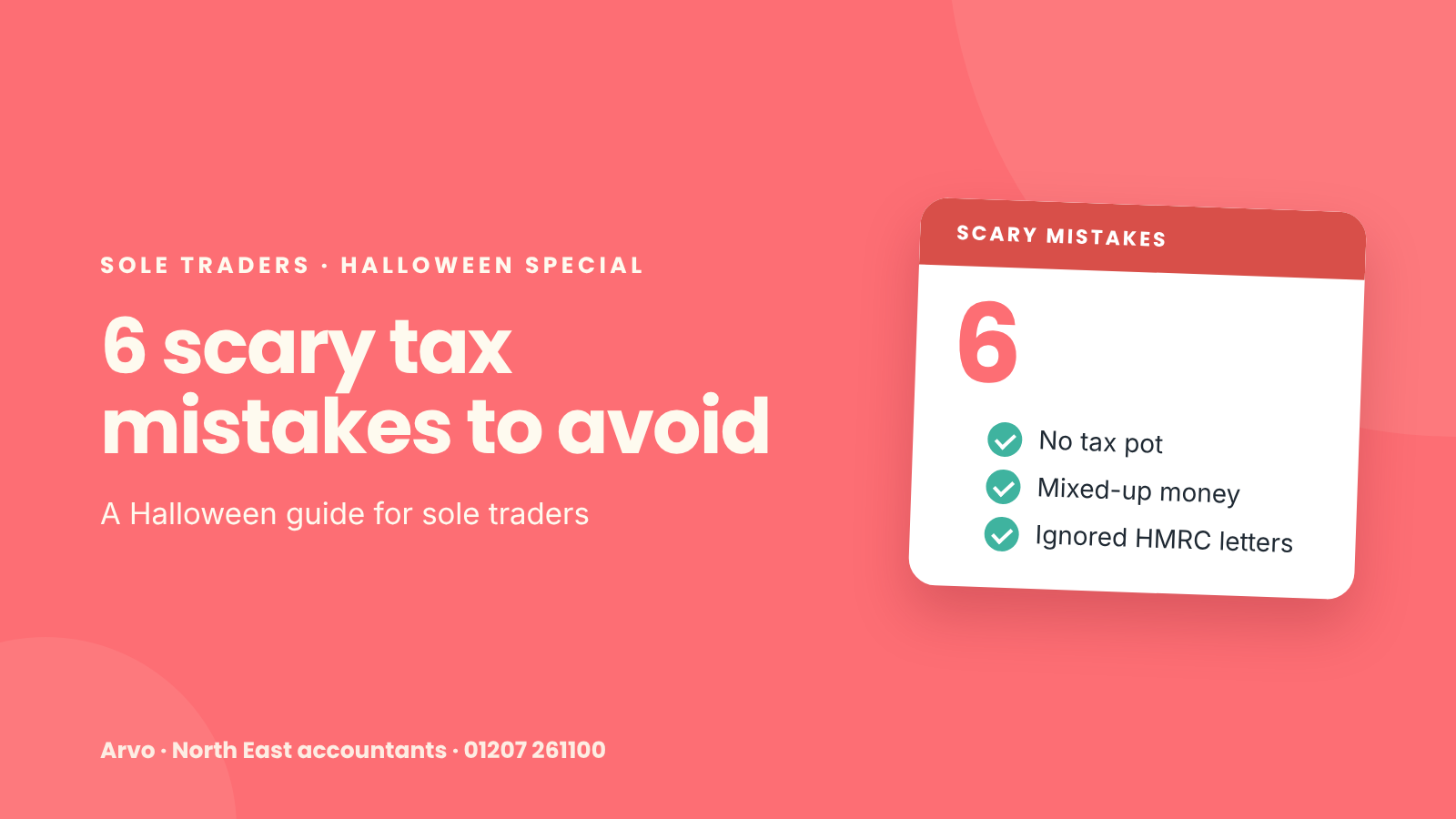
6 scary tax mistakes sole traders make (and how to avoid them)
It's Halloween week, so here are six tax mistakes that give sole traders a fright, and simple ways to avoid every one.
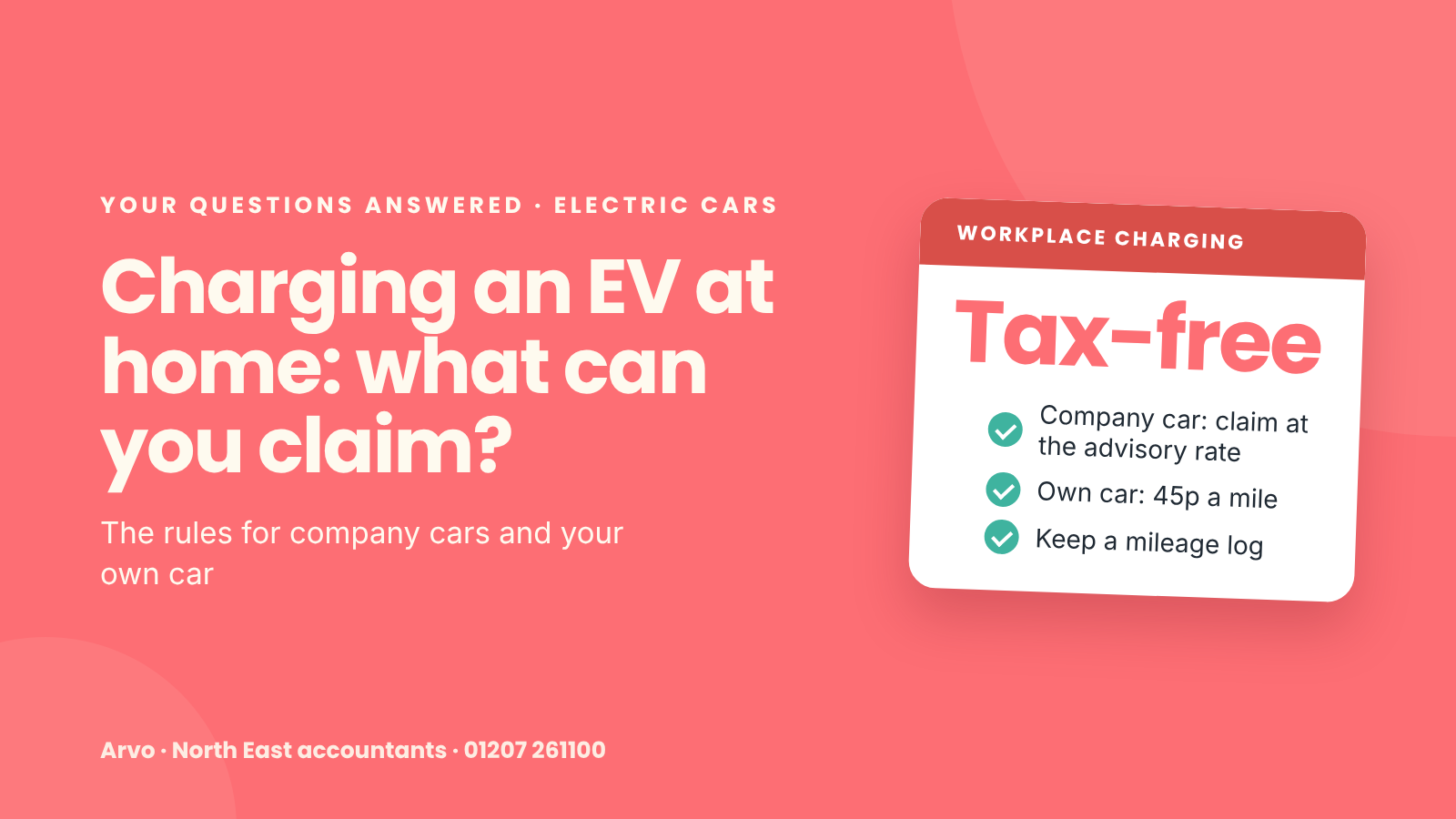
Charging an electric car at home: what you can claim
Electric cars are becoming more common for business use. Here's how tax relief works on charging costs for employees, directors and the self-employed.
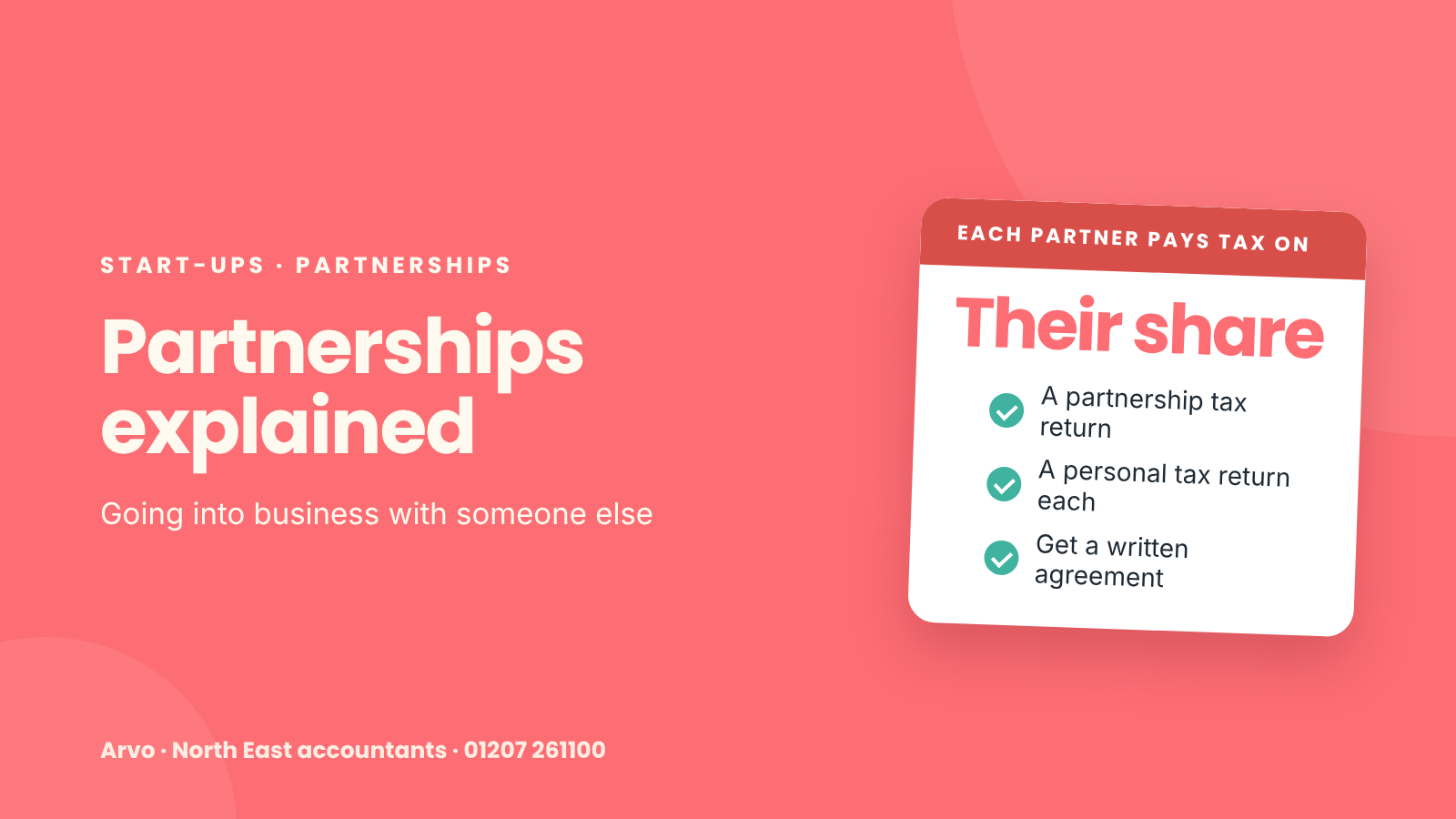
Going into business with someone? Partnerships explained
Starting a business with a friend, family member or colleague? Here's how a partnership works, how it's taxed and how it compares with a limited company.
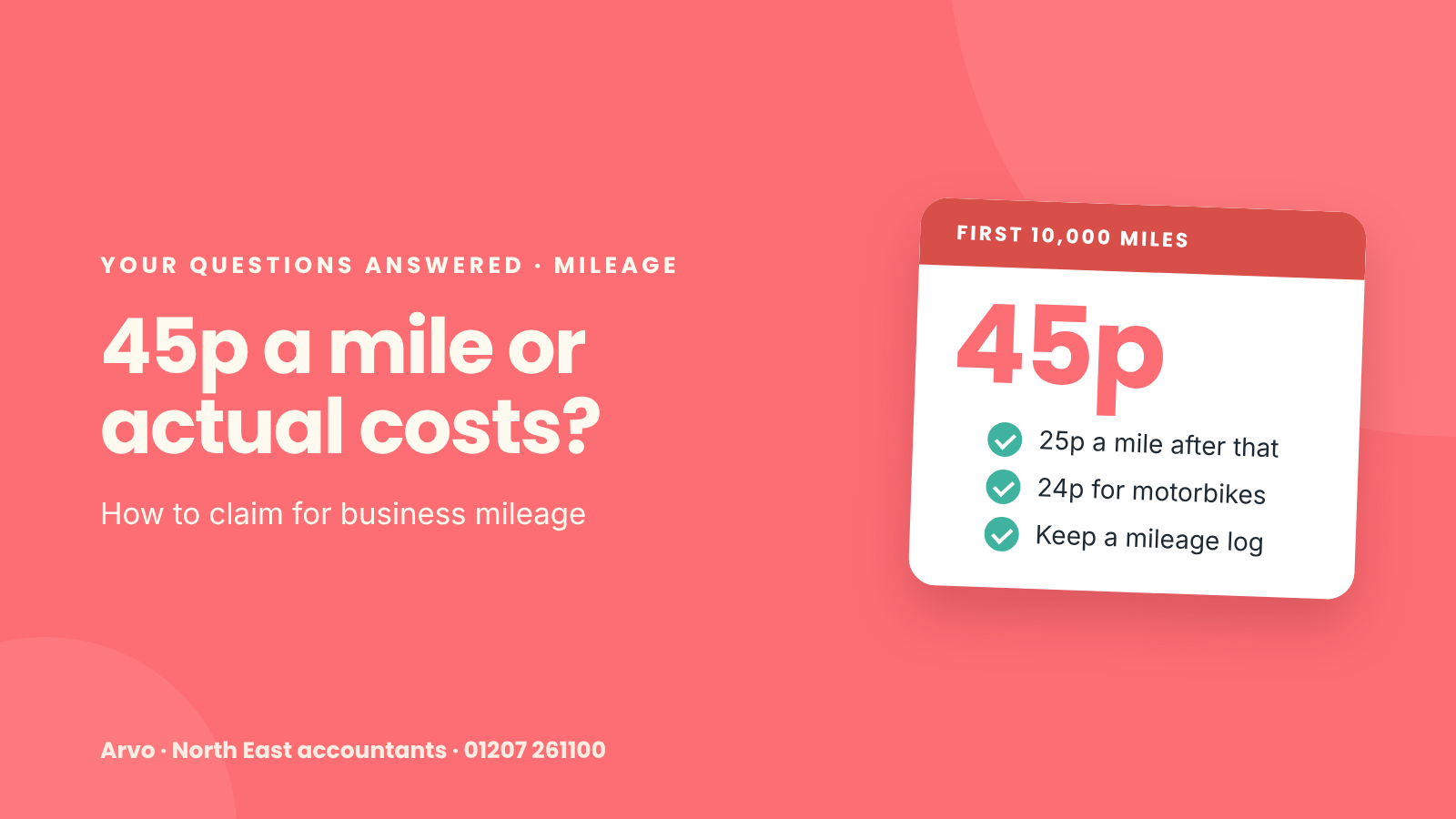
Business mileage: 45p a mile or actual costs?
If you use your own vehicle for work, you can claim tax relief on business journeys. Here's how the 45p mileage rate works and when actual costs are better.

Side hustle? The £1,000 trading allowance explained
Earning a bit on the side? The £1,000 trading allowance means small amounts can be tax-free. Here's how it works and when you need to tell HMRC.
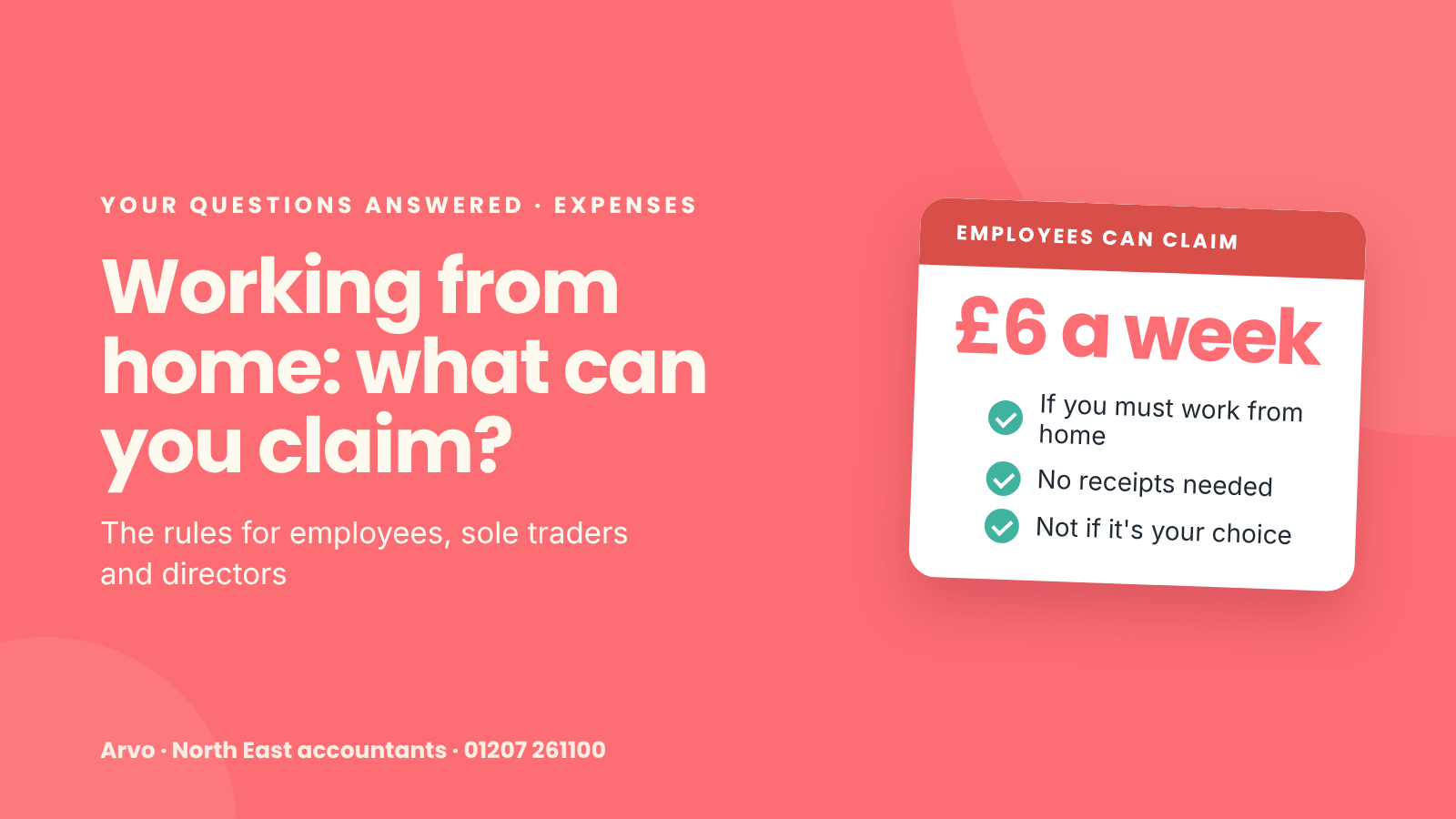
Working from home? What you can claim, employed or self-employed
The rules for claiming working-from-home costs depend on whether you're employed, self-employed or a company director. Here's what each can claim.
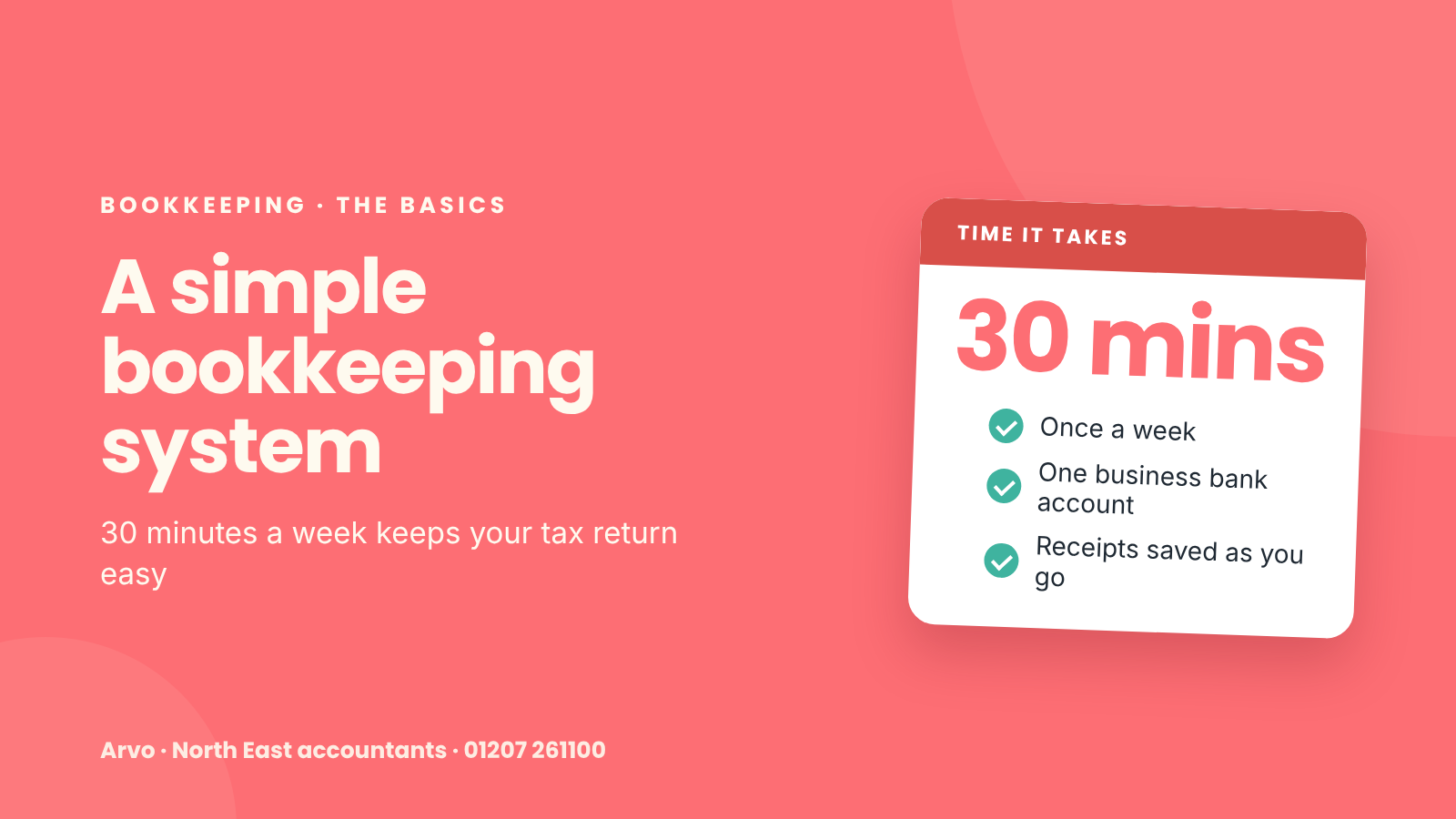
Bookkeeping basics: a simple system for sole traders
Good bookkeeping doesn't have to take hours. Here's a simple weekly routine that keeps your records tidy and your tax return stress-free.
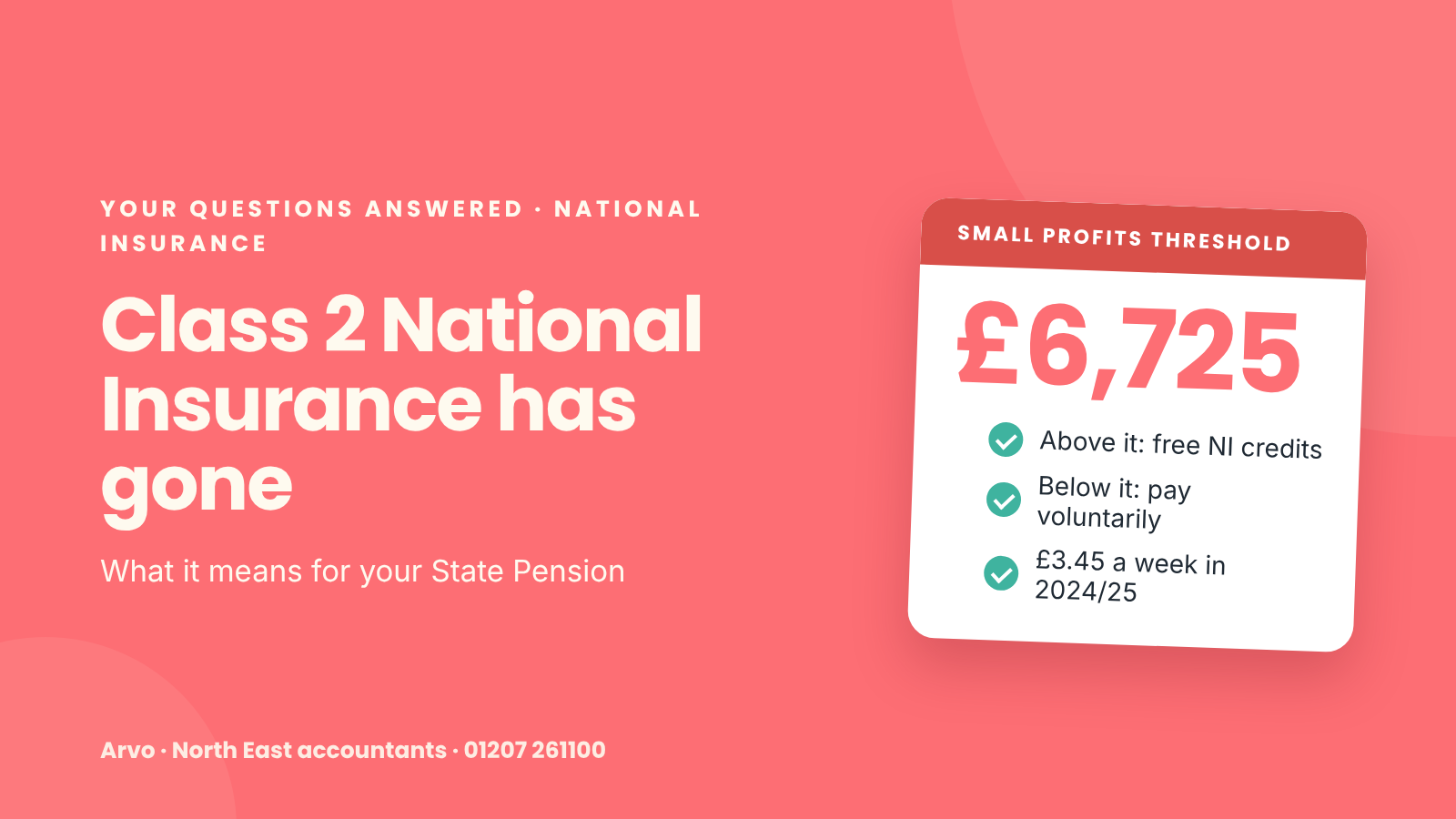
Class 2 National Insurance has gone: what it means for your State Pension
Self-employed people no longer have to pay Class 2 National Insurance. Here's how you still build your State Pension, and who should think about paying voluntarily.
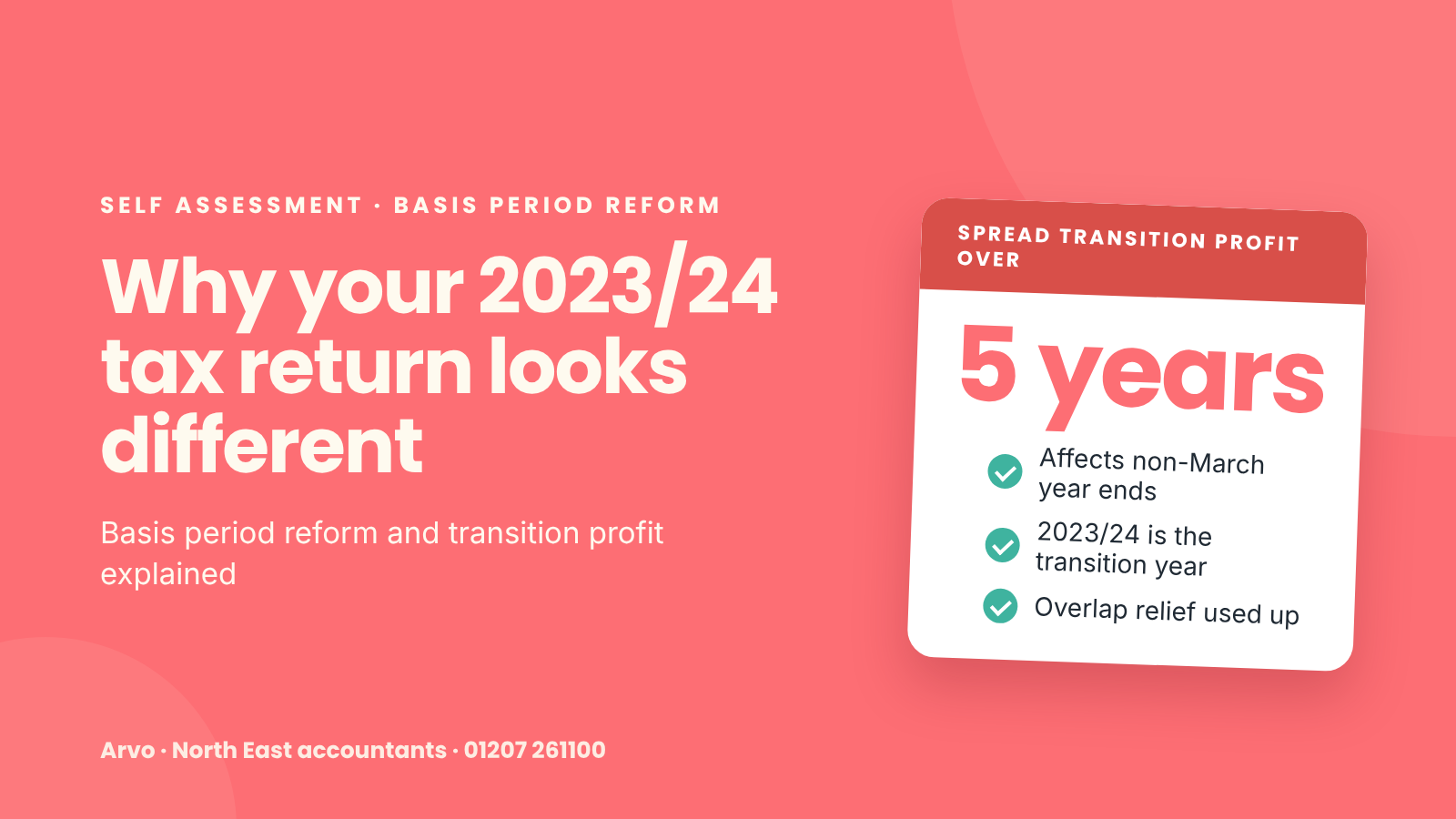
Basis period reform: why your 2023/24 tax return will look different
If your accounting year doesn't end on 31 March or 5 April, your 2023/24 tax return will include extra "transition profit". Here's what it means.