

Blog
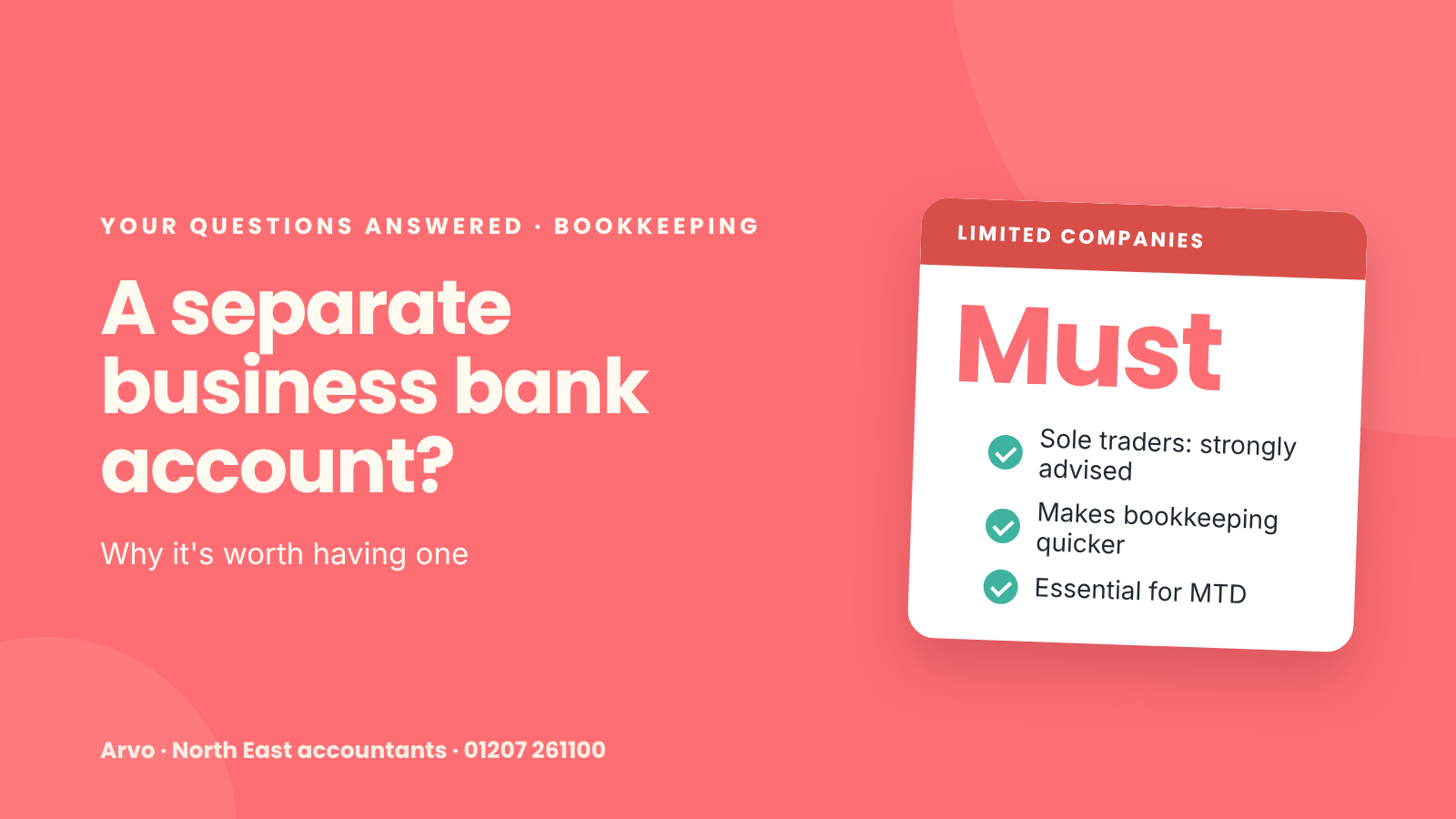
Do you need a separate business bank account?
Sole traders don't legally need a business bank account, but there are good reasons to have one, especially with Making Tax Digital. Here's why.
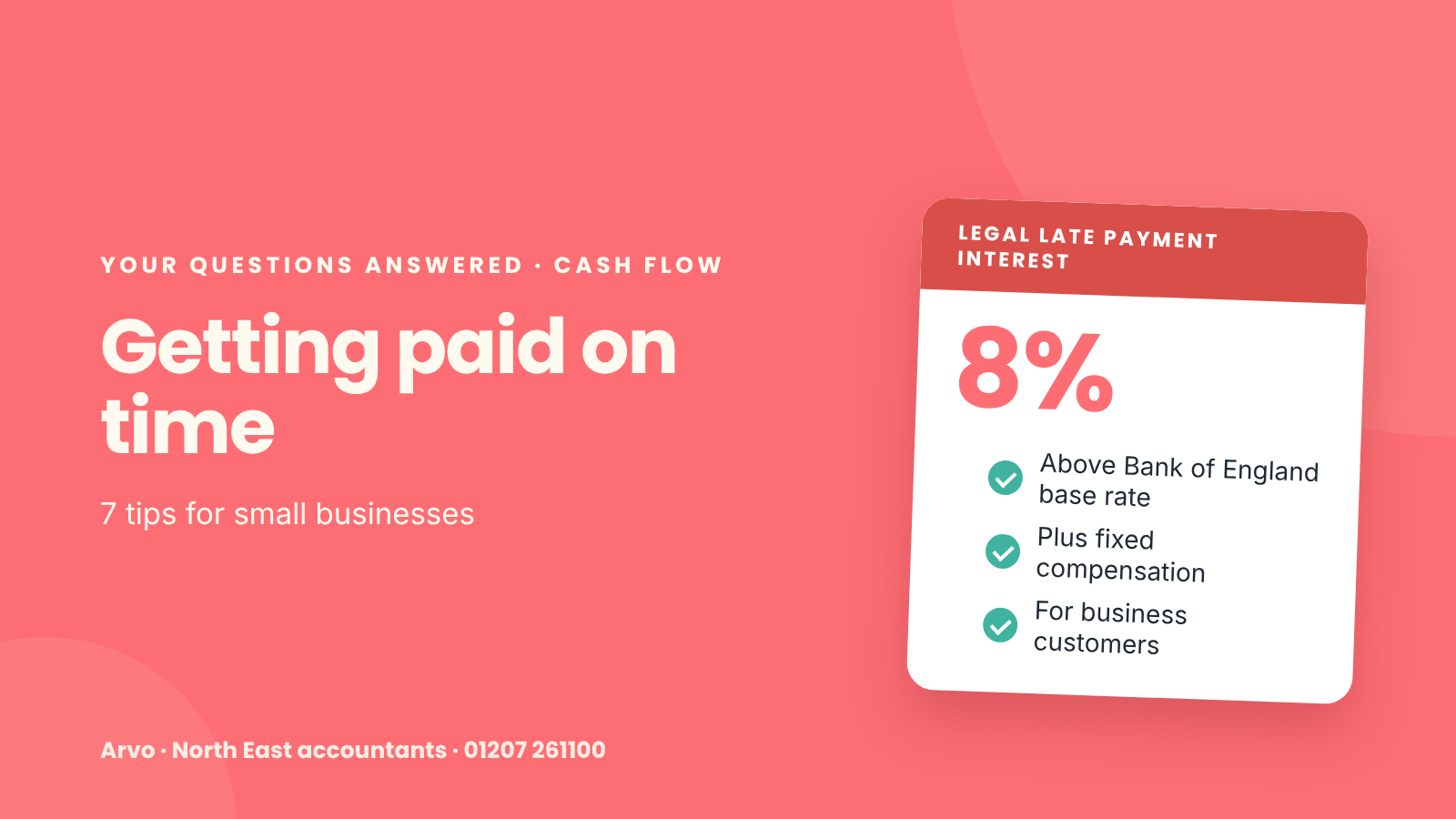
Getting paid on time: 7 tips for small businesses
Late payments can cripple a small business. Here are seven practical ways to get paid faster, and what you can do when customers pay late.
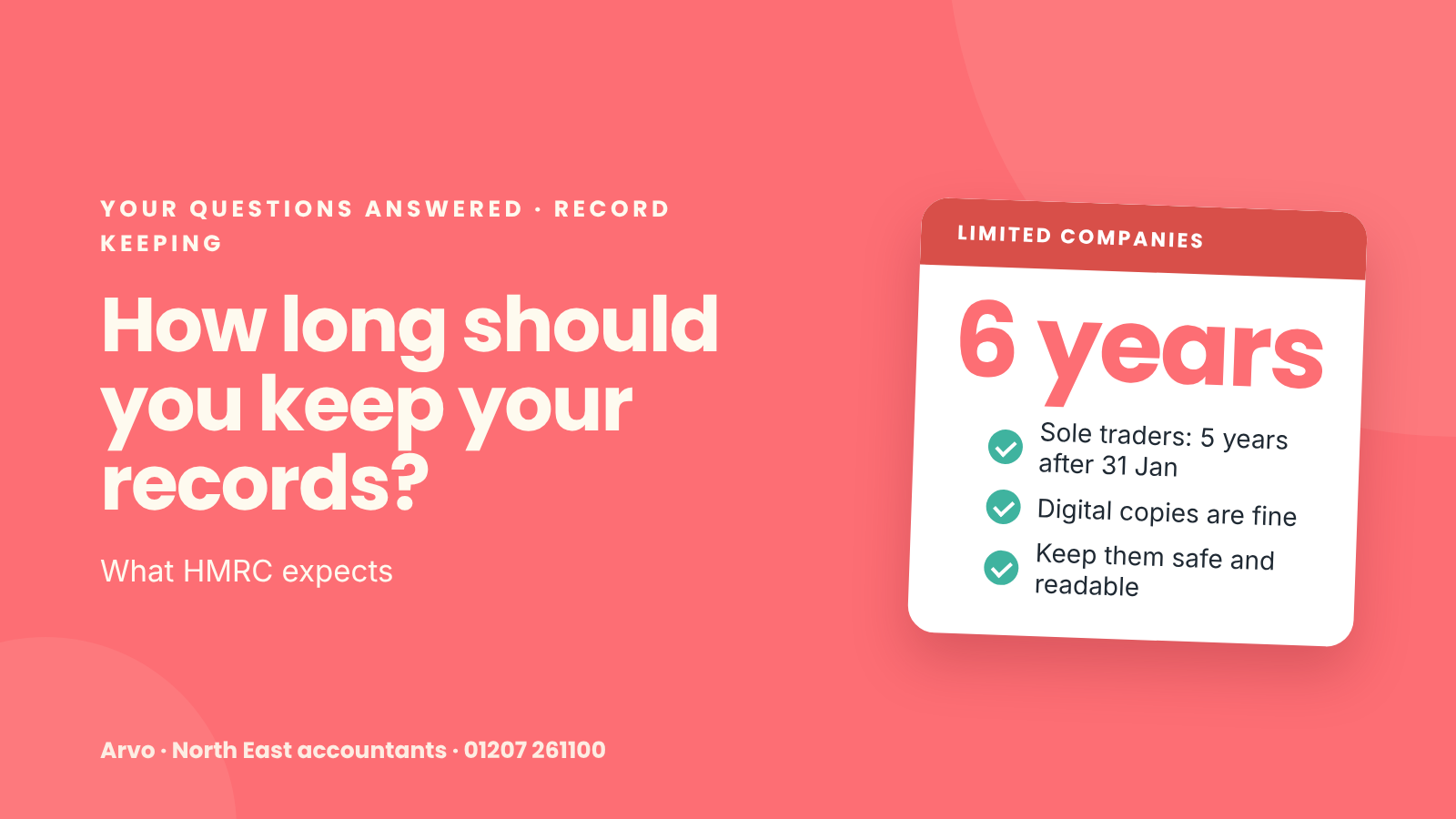
How long should you keep your business records?
The shoebox of old receipts can't go just yet. Here's how long HMRC expects you to keep your records, and what counts as a record.
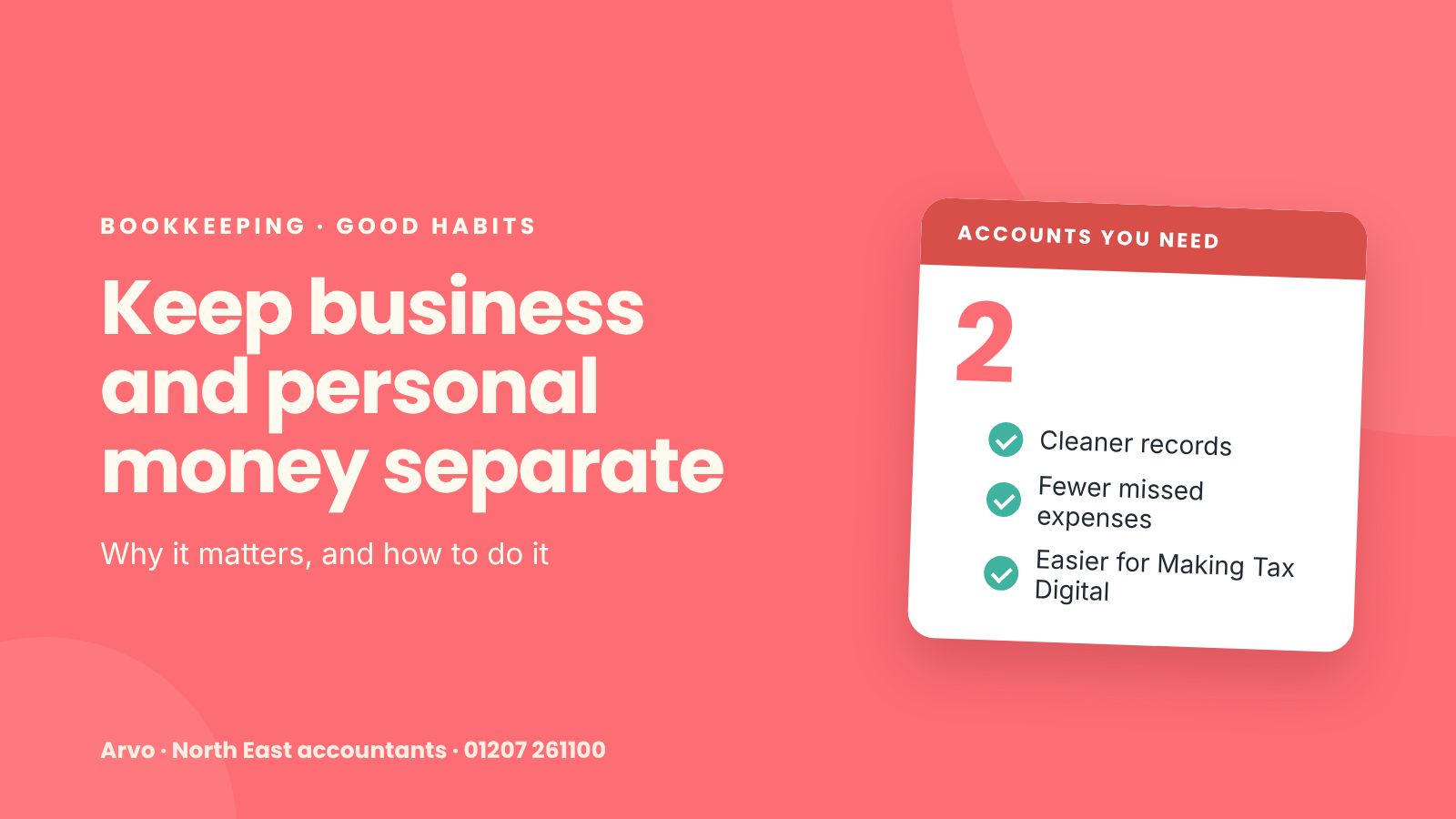
Keeping business and personal money separate: why it matters
Mixing business and personal money makes bookkeeping harder, costs time and can cost you tax. Here's why a separate account matters and how to set it up.
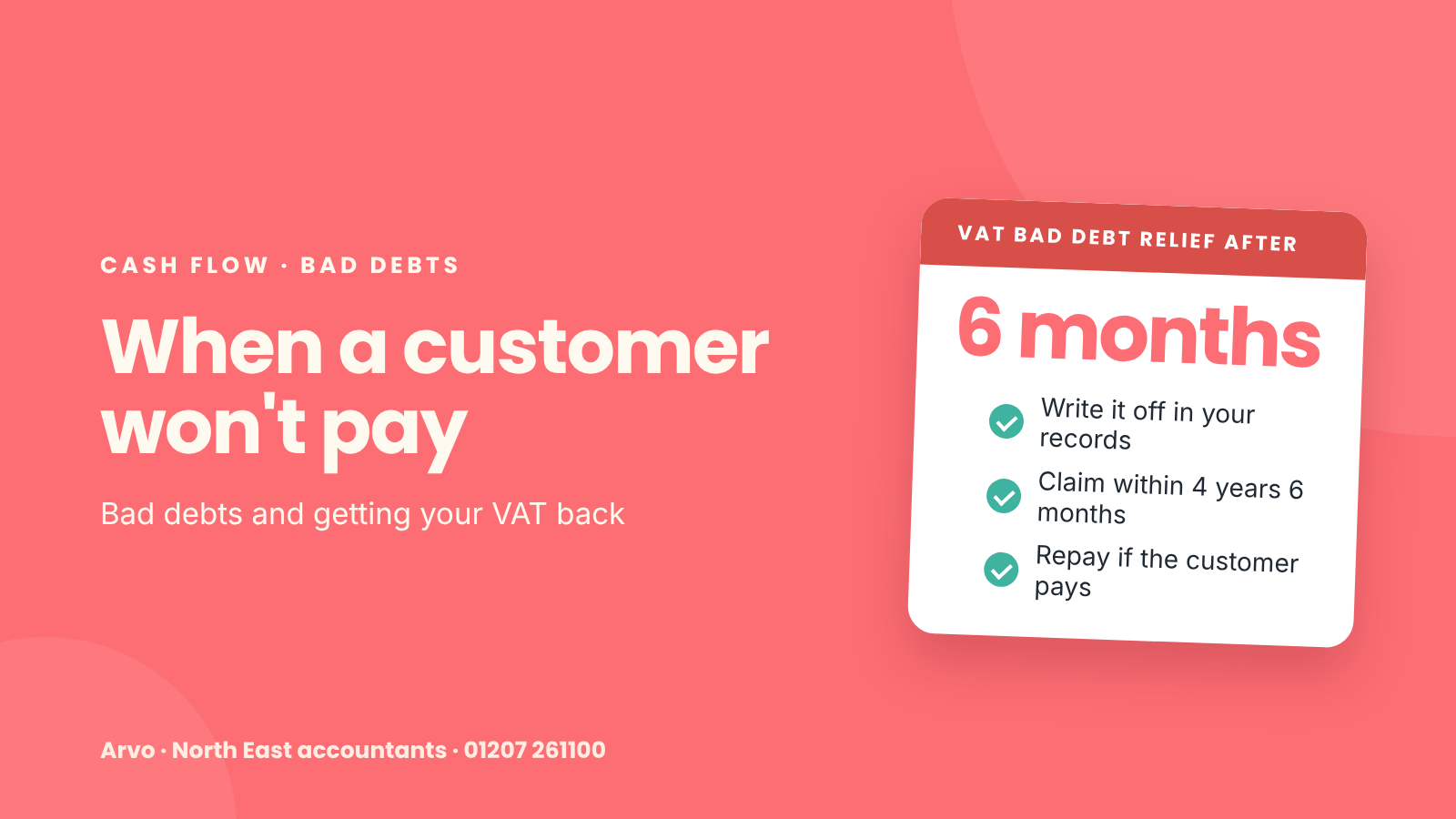
When a customer won't pay: bad debts and getting your VAT back
Unpaid invoices hurt cash flow, and if you're VAT-registered you may have paid VAT on money you never received. Here's how to chase, write off and reclaim.
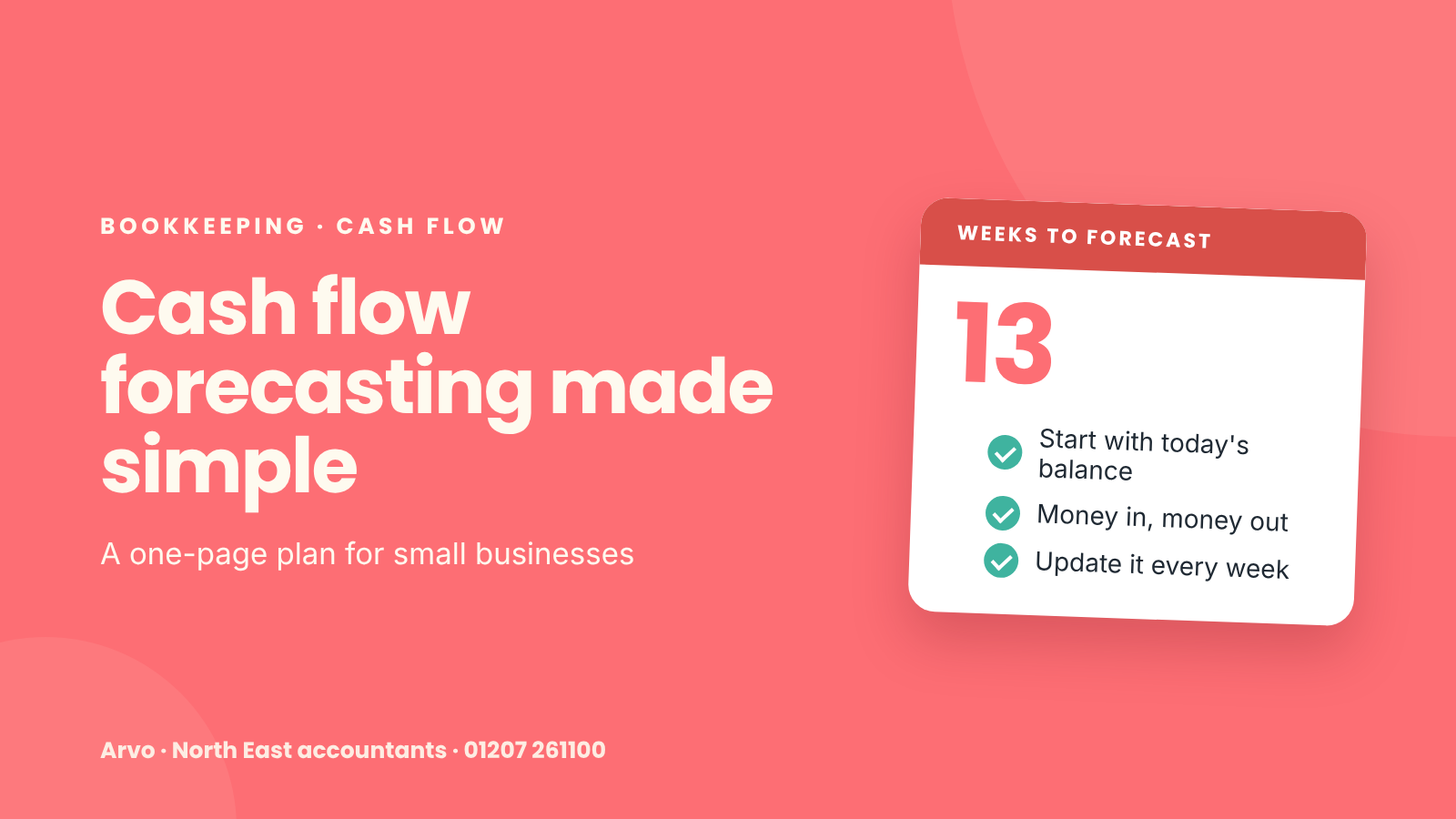
Cash flow forecasting made simple: a one-page plan
A simple 13-week cash flow forecast can stop surprises and help you plan. Here's how to build one in a spreadsheet in under an hour.
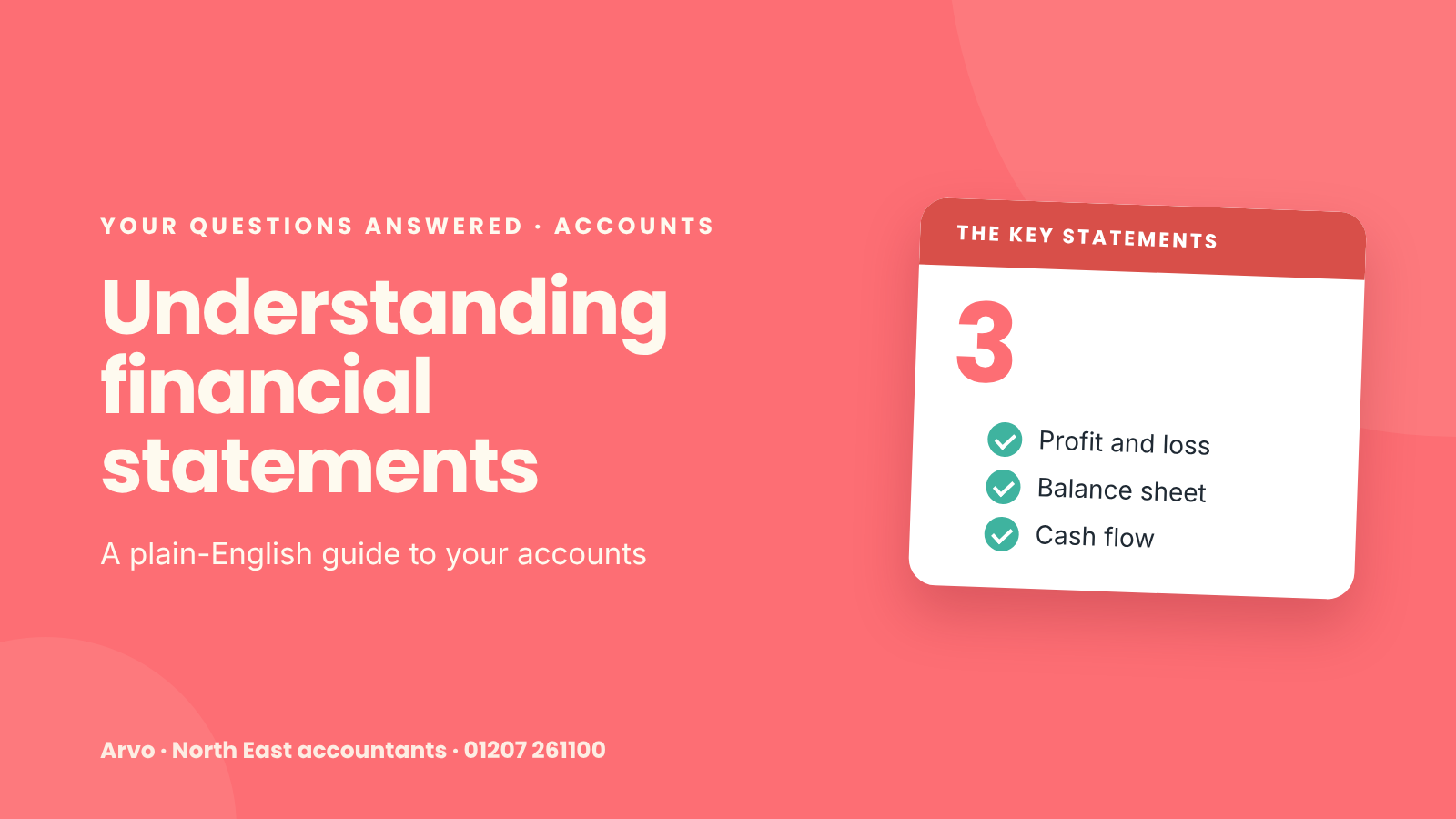
Understanding Financial Statements: A Layman's Guide
Financial statements can be complex and difficult to interpret for the average person. However, understanding these statements is essential for business owners.
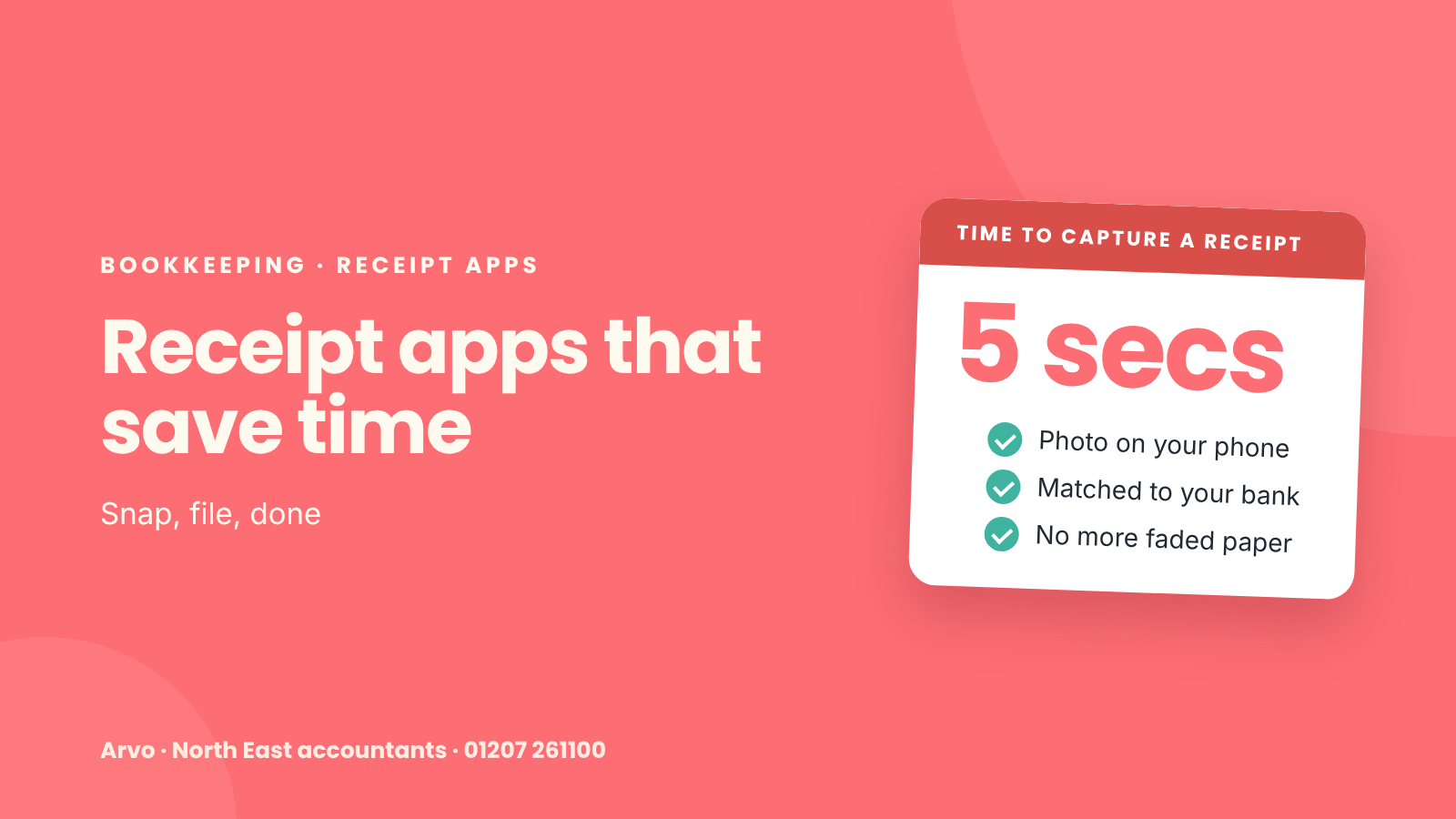
Snap, file, done: receipt apps that make bookkeeping painless
Shoeboxes of faded receipts are a thing of the past. Here's how receipt apps work with bookkeeping software and how to set up a simple routine.
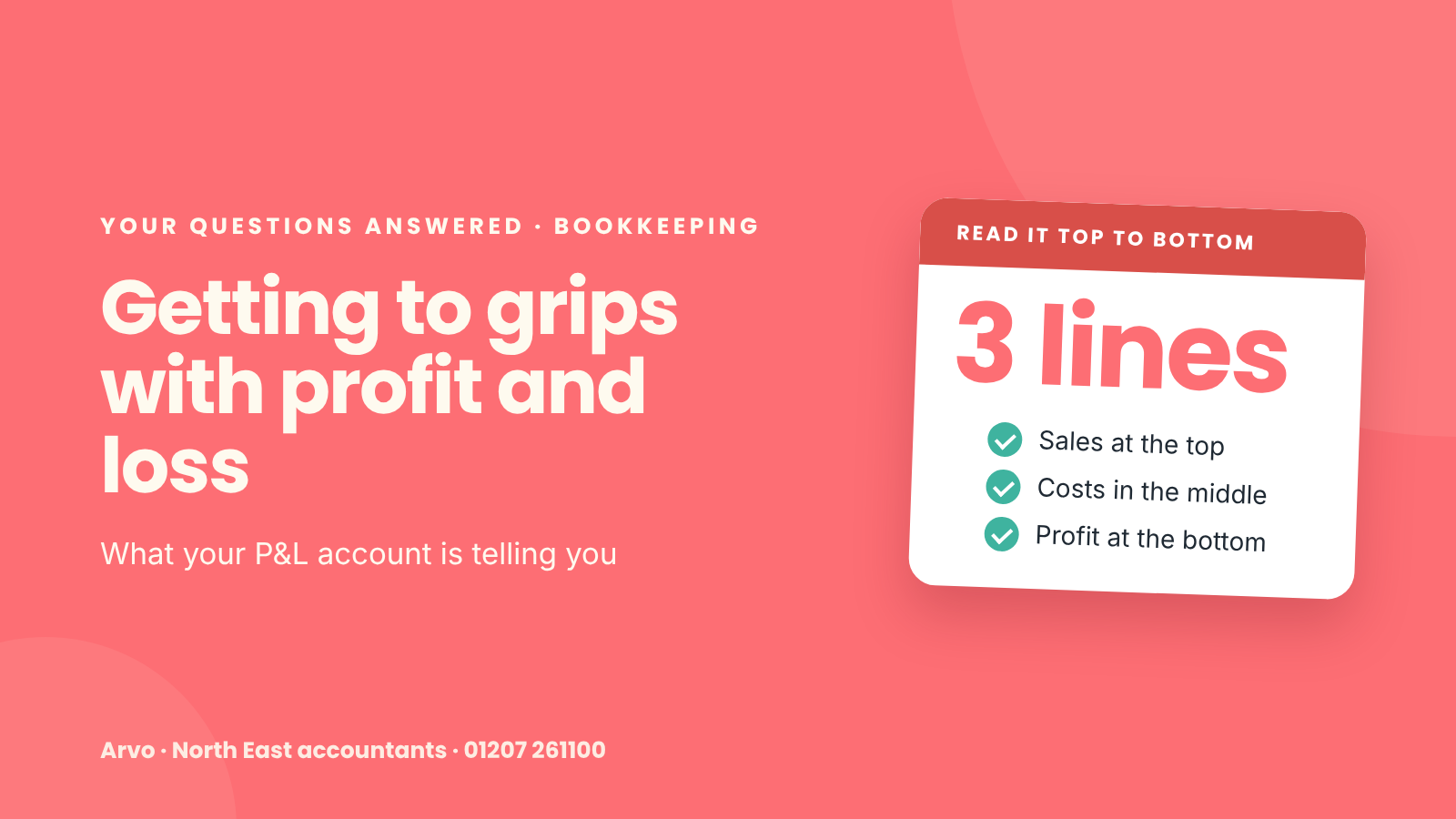
Getting to Grips With Profit & Loss Accounts
Success in business is a numbers game, and getting to grips with those all-important numbers as an entrepreneur is key to everything from HMRC compliance to long-term profitability.
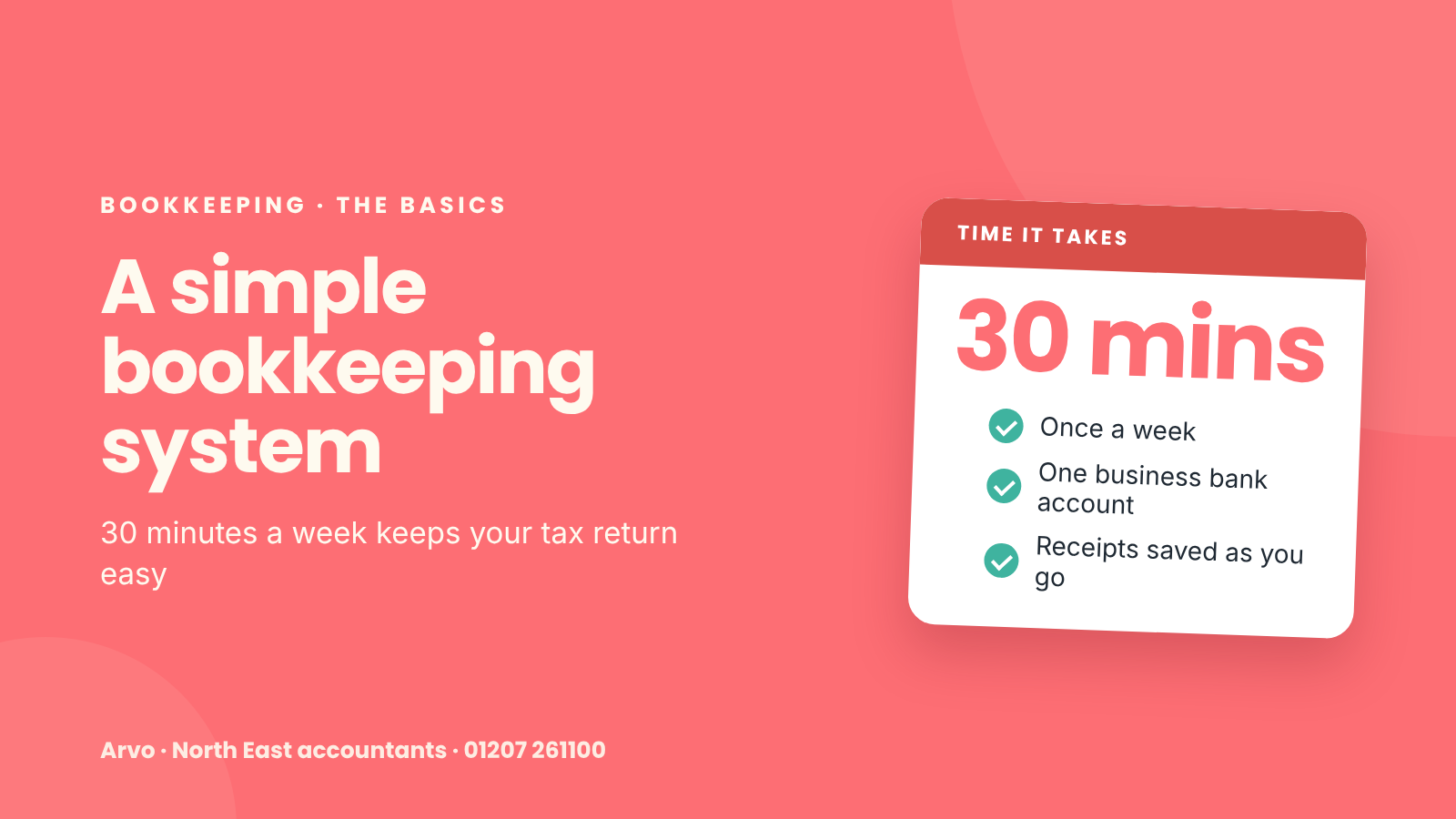
Bookkeeping basics: a simple system for sole traders
Good bookkeeping doesn't have to take hours. Here's a simple weekly routine that keeps your records tidy and your tax return stress-free.
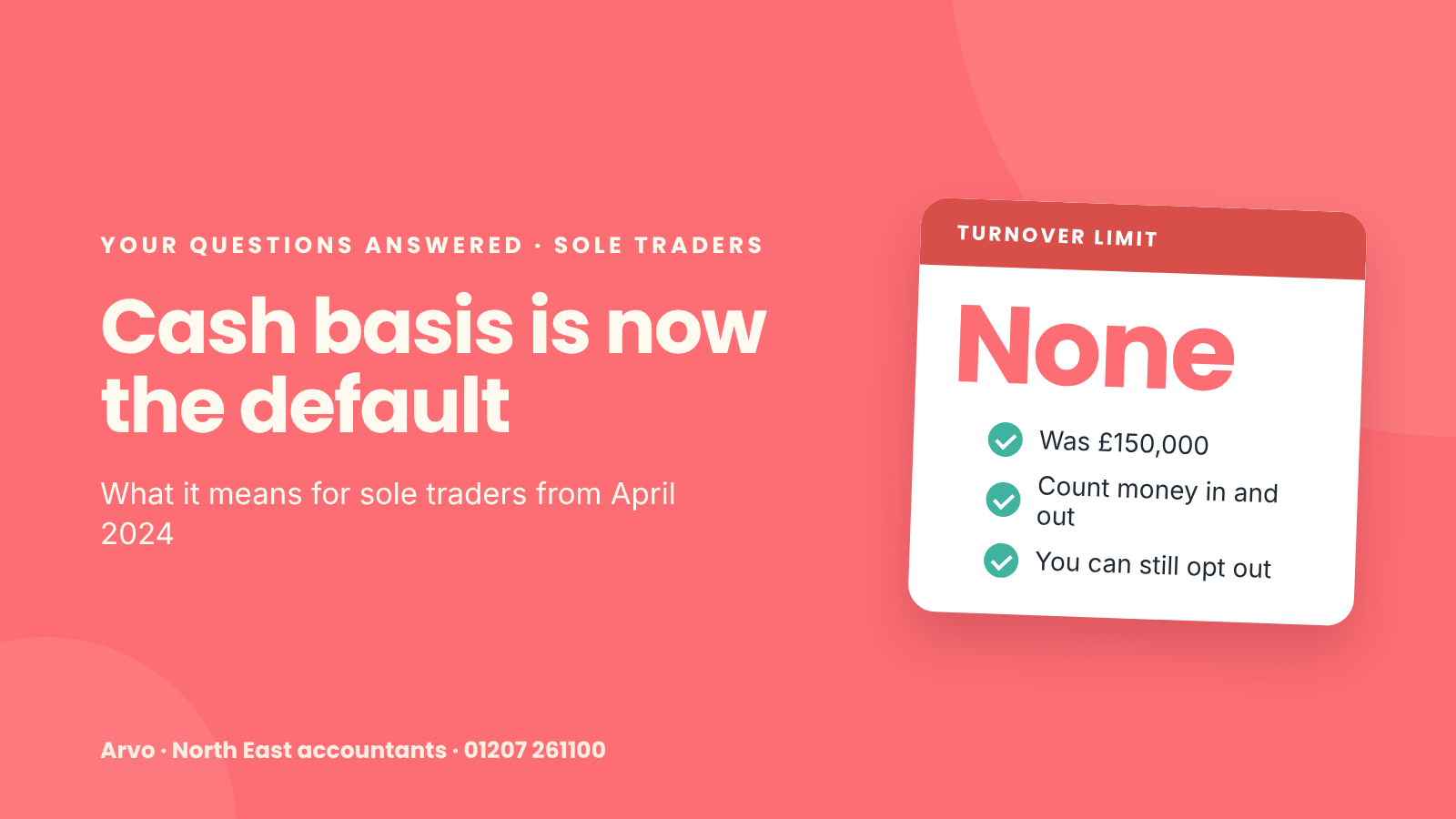
Cash basis is now the default for sole traders: what changes
From the 2024/25 tax year, most sole traders work out their profits using the cash basis automatically. Here's what that means and when you might opt out.