
With the January deadline out of the way, lots of self-employed people start thinking about buying a home or remortgaging. Getting a mortgage when you work for yourself is very doable, but lenders want more paperwork than they do from employees.
What lenders usually ask for
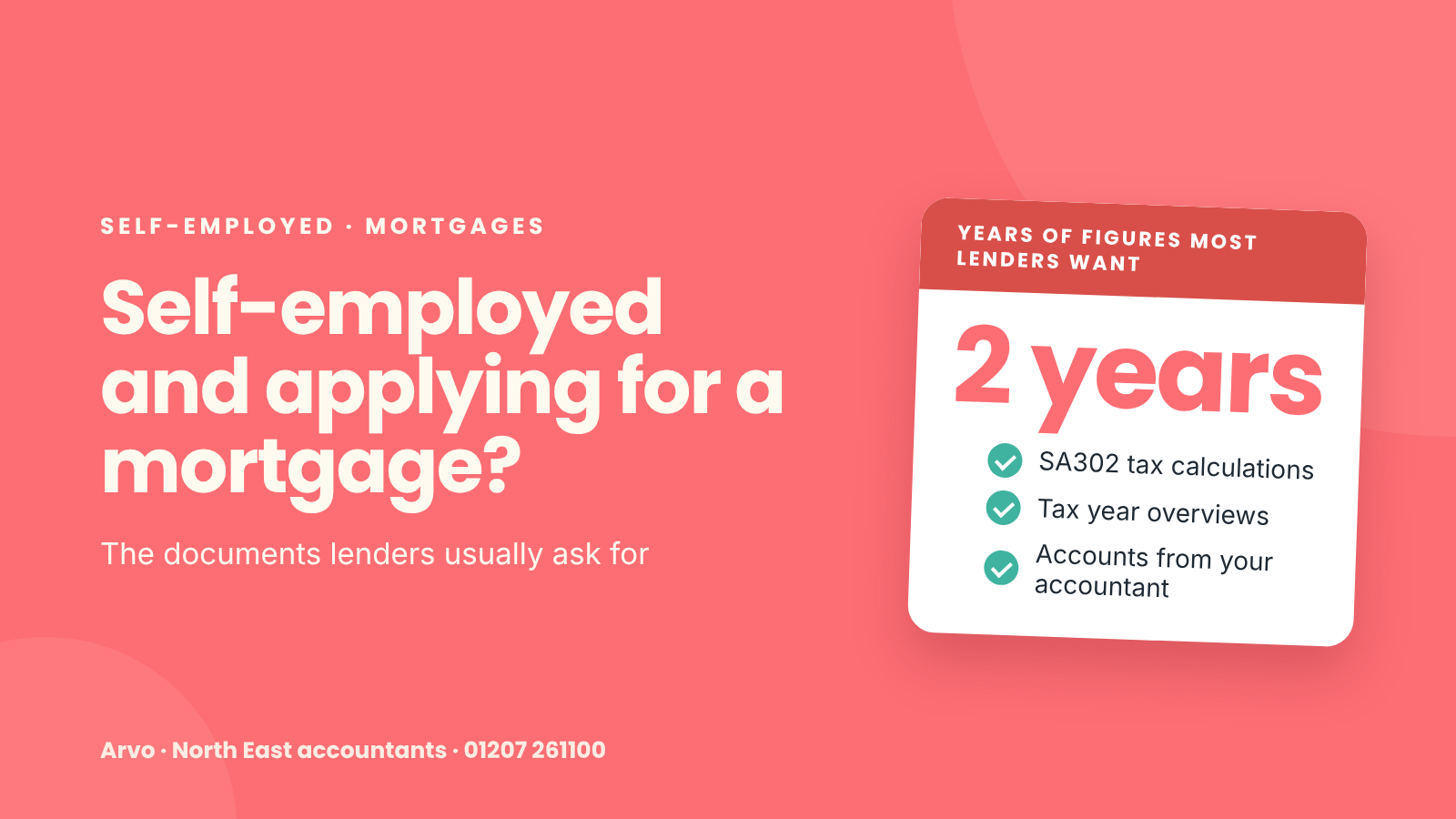
Two years of SA302s, the tax calculations HMRC produces from your tax return
Tax year overviews for the same years, which show what you've paid
Accounts, often prepared or signed off by a qualified accountant
Bank statements, both business and personal
Proof of any future contracts, if you work on longer projects
Some lenders will consider applicants with one year of figures, but the choice is usually wider with two or more.
Getting your SA302 and tax year overview
You can download both from your HMRC online account, usually a few days after your return is filed. Most lenders accept these printouts, but check with your broker first. If your accountant files your return, they can also provide copies from their software.
How lenders look at your income
Sole traders and partners: usually your net profit, not your turnover
Limited company directors: traditionally your salary plus dividends. Some lenders will instead look at your share of the company's profit, which can help if you've left money in the business
Many lenders take an average of the last two years. If your profit has dropped, they may use the lower figure.
The expenses trade-off
Claiming every expense keeps your tax bill down, but it also lowers the profit a lender sees. That doesn't mean you should pay more tax than you need to. It does mean it helps to plan ahead if a mortgage is on the horizon.
Tips before you apply
File your tax returns on time, so the figures are ready
Keep business and personal money separate
Pay HMRC on time, as arrears can worry lenders
Use a broker who knows self-employed lending
Related reads
6 scary tax mistakes sole traders make (and how to avoid them)
Basis period reform: why your 2023/24 tax return will look different
How Arvo can help
We can prepare accounts and tax returns lenders are happy with, provide the documents your broker asks for and talk to them directly if needed.
Get in touch to arrange a free, no-obligation chat, or call us on 01207 261100.