

Blog
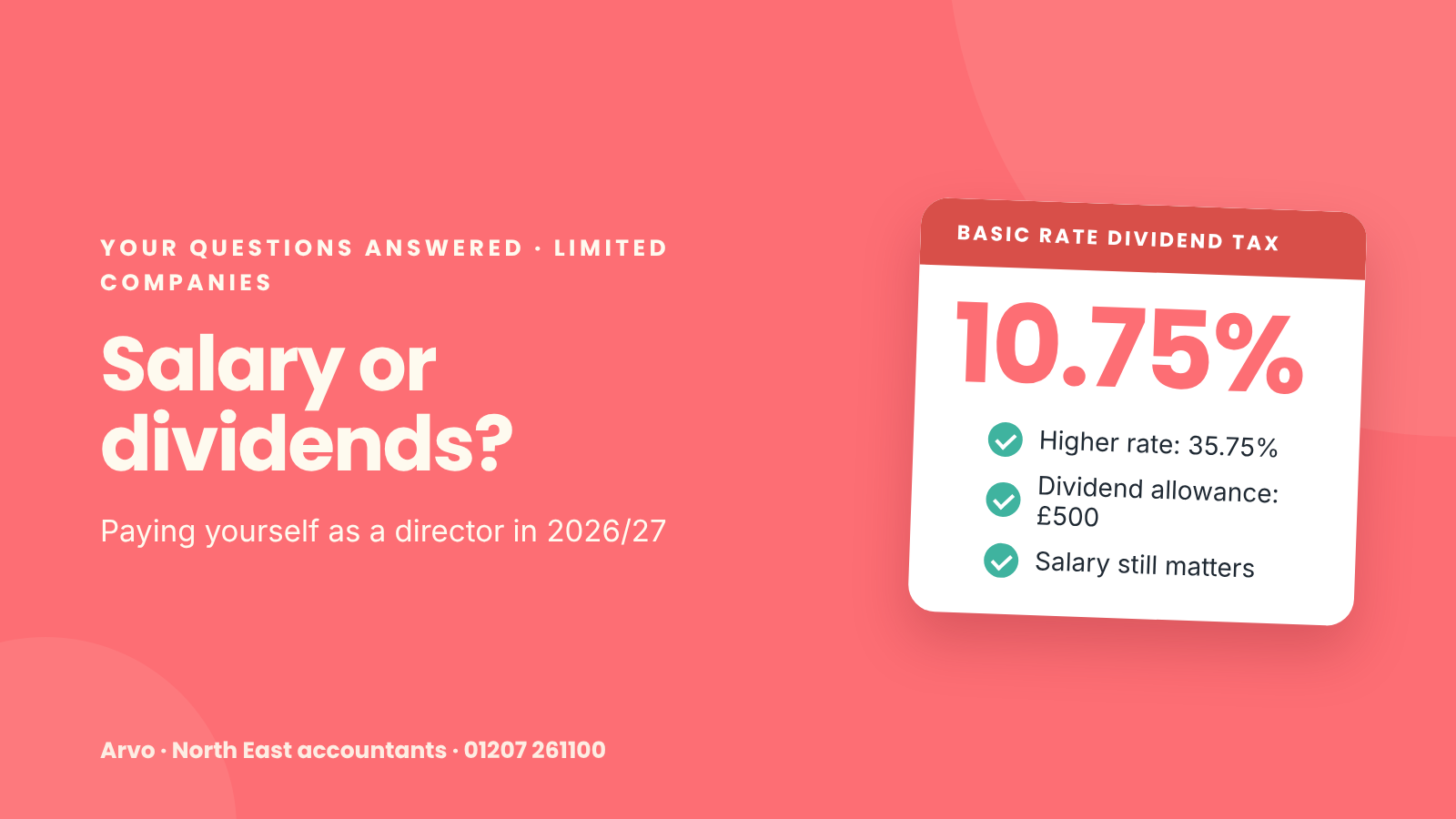
Paying yourself as a company director in 2026/27: salary vs dividends
Most company directors pay themselves with a small salary and dividends. Here's how it works in 2026/27, now that dividend tax has gone up.
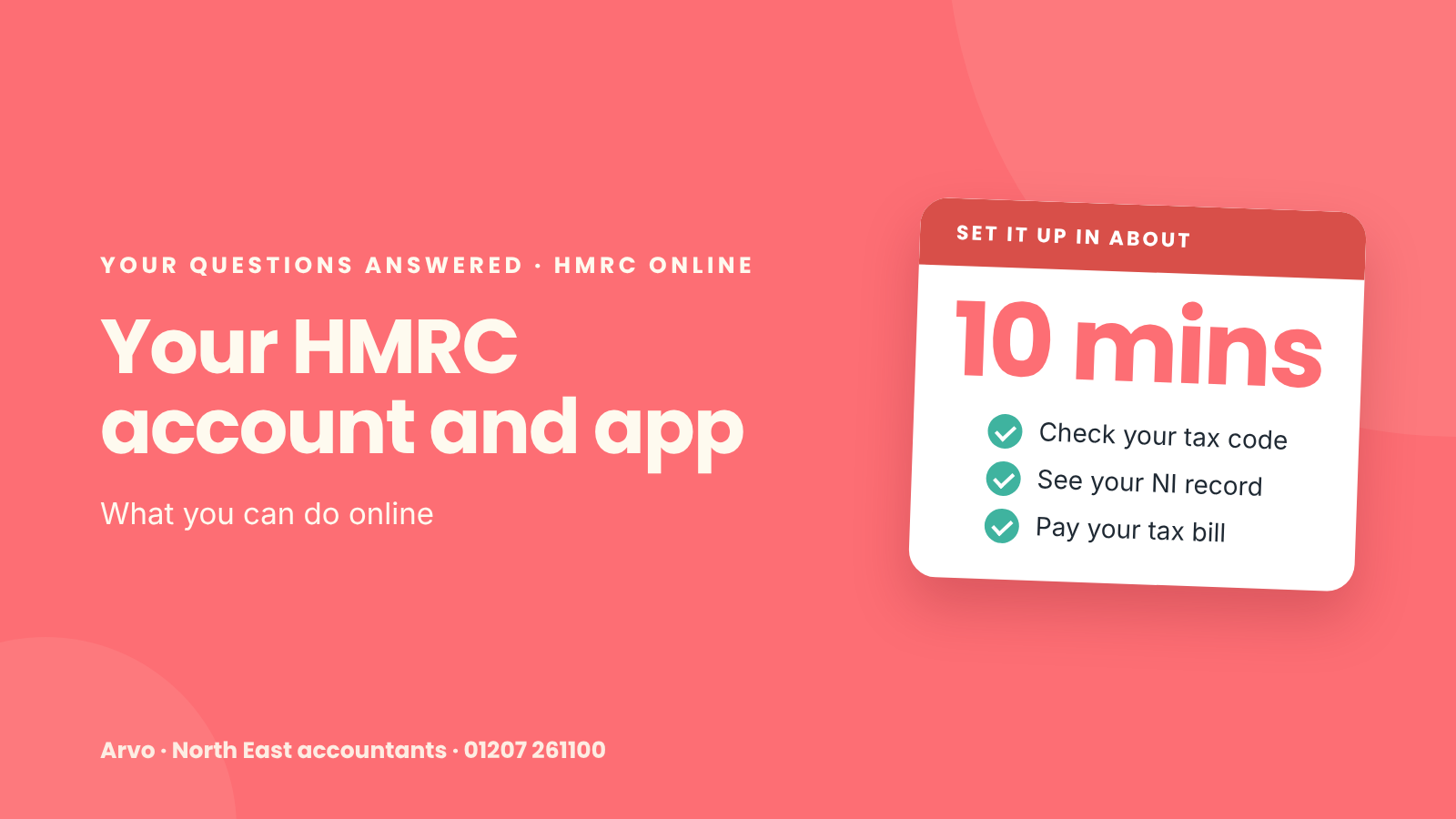
Your HMRC account and app: what you can do online
Most people never log in to their HMRC account. But the app lets you check your tax code, National Insurance record and more in minutes. Here's what it can do.
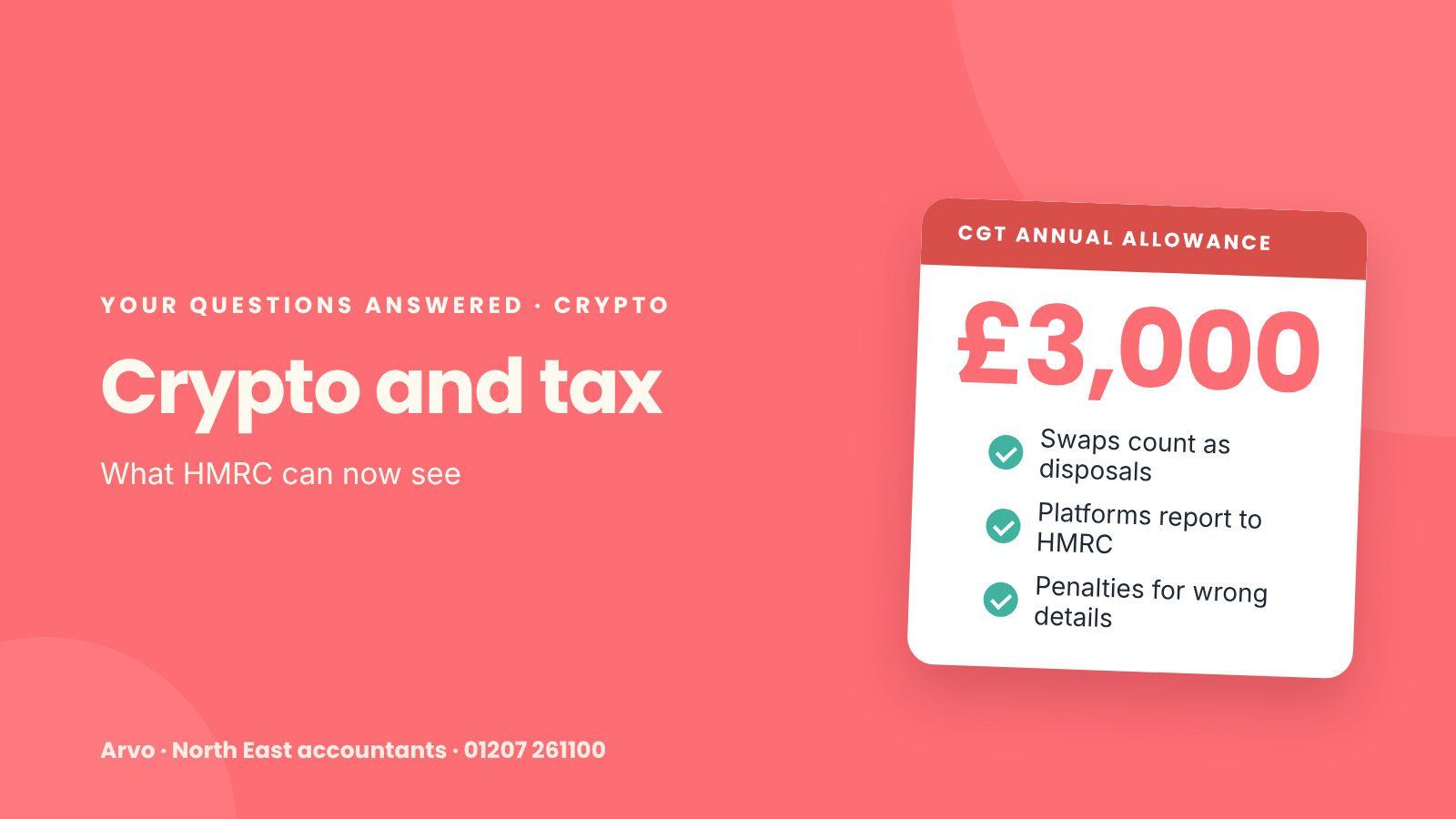
Cryptoassets and tax: what HMRC can now see
Since January 2026, crypto platforms have been collecting users' details to share with HMRC. Here's how crypto is taxed and what you need to do.
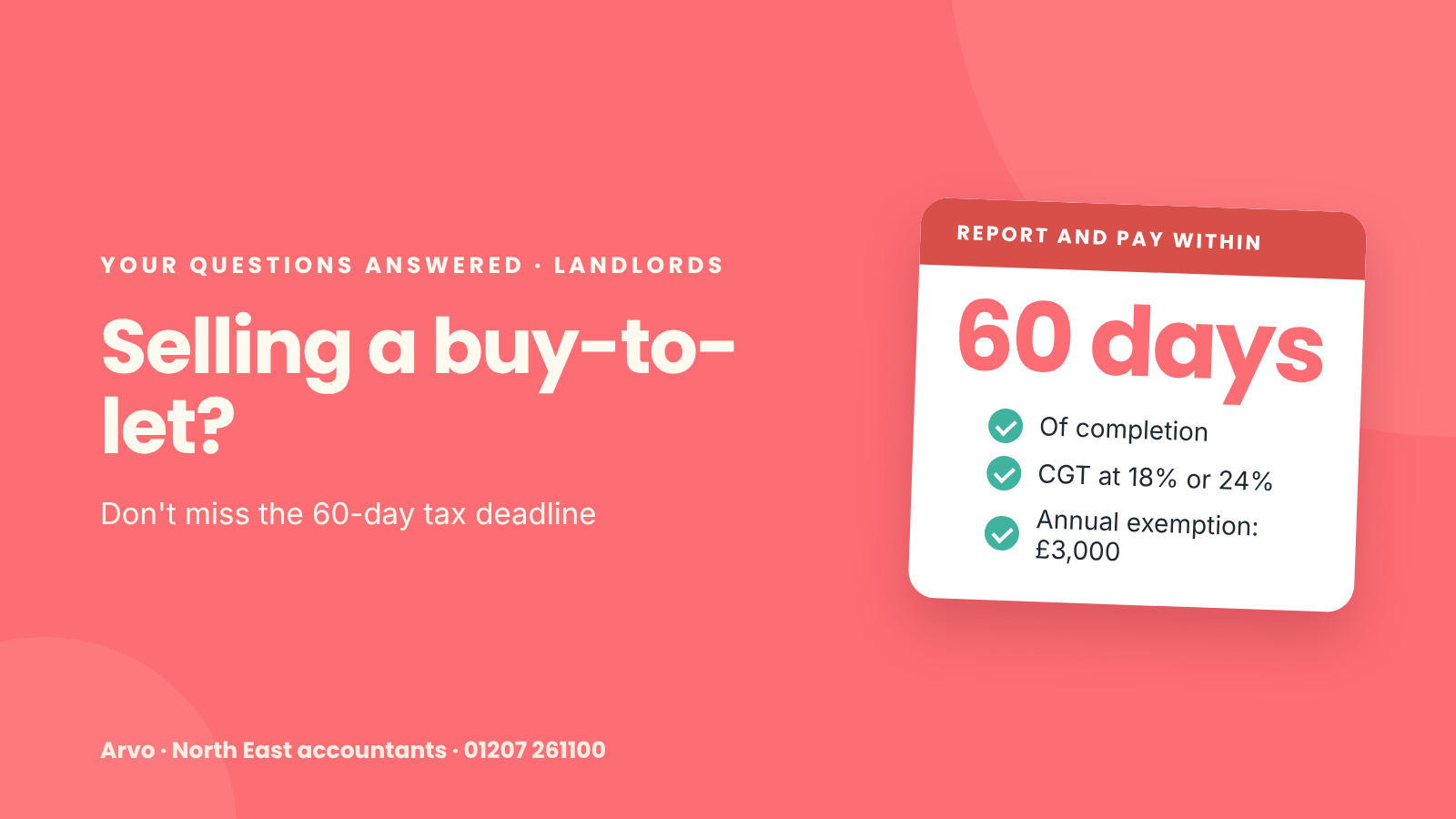
Selling a buy-to-let? Don't miss the 60-day tax deadline
If you sell a UK residential property that isn't your home, you have just 60 days to report and pay any Capital Gains Tax. Here's what you need to know.
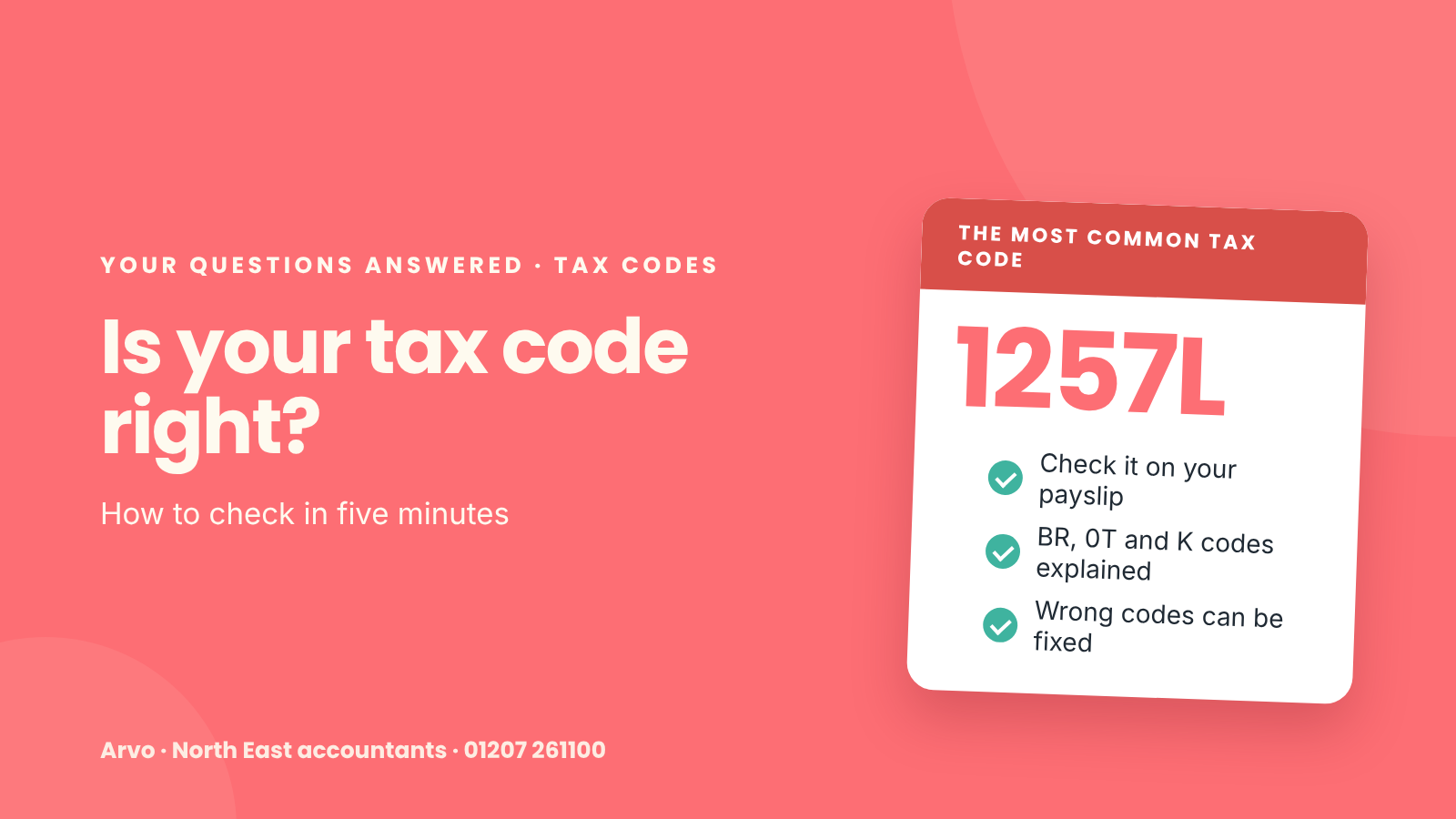
Is your tax code right? How to check in five minutes
A wrong tax code can mean paying too much tax for months without realising. Here's how to read yours and what to do if it looks wrong.
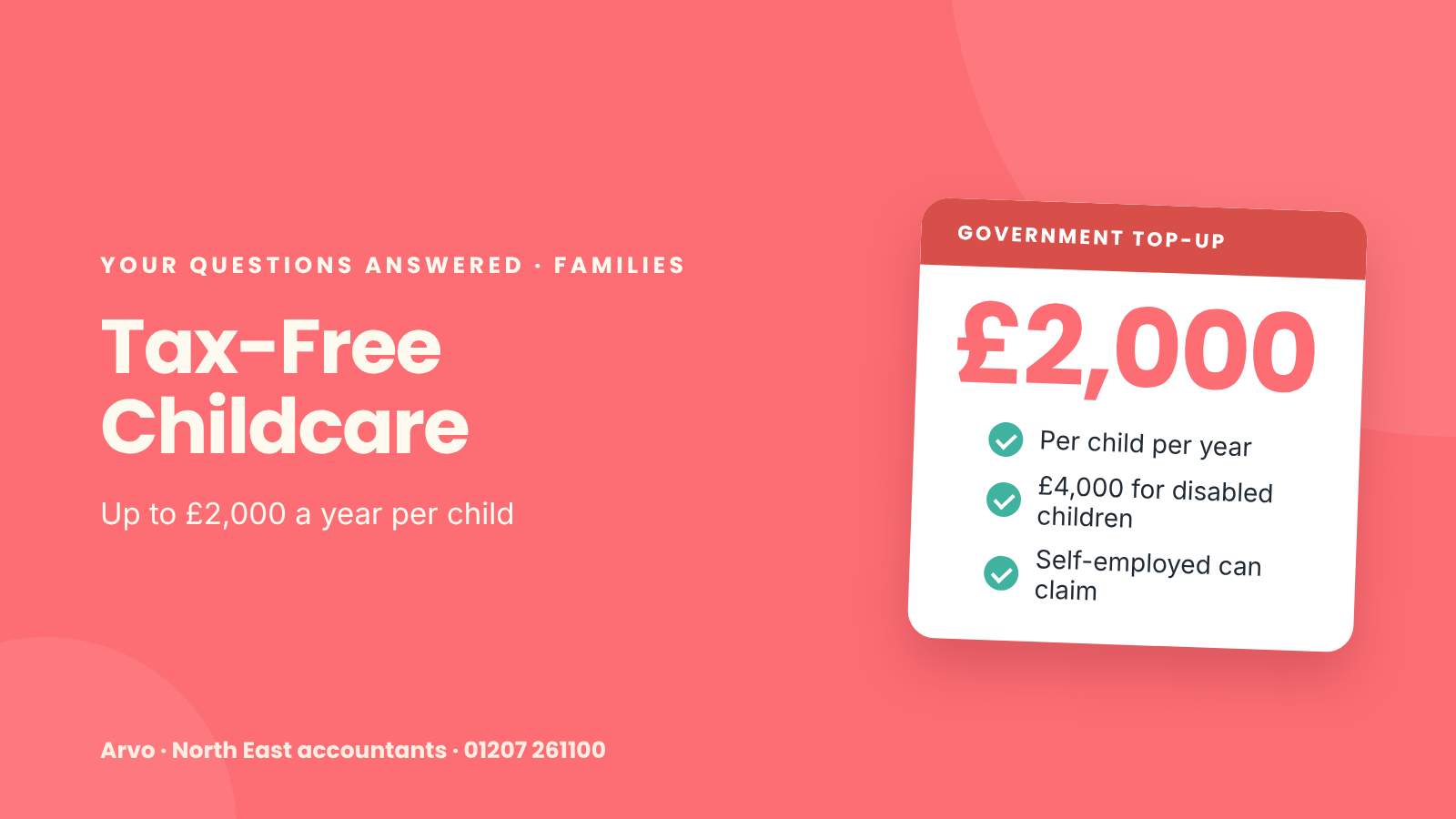
Tax-Free Childcare: are you missing out on up to £2,000 a year?
With the summer holidays coming, childcare costs are on lots of parents' minds. Tax-Free Childcare could cover up to £2,000 a year per child.
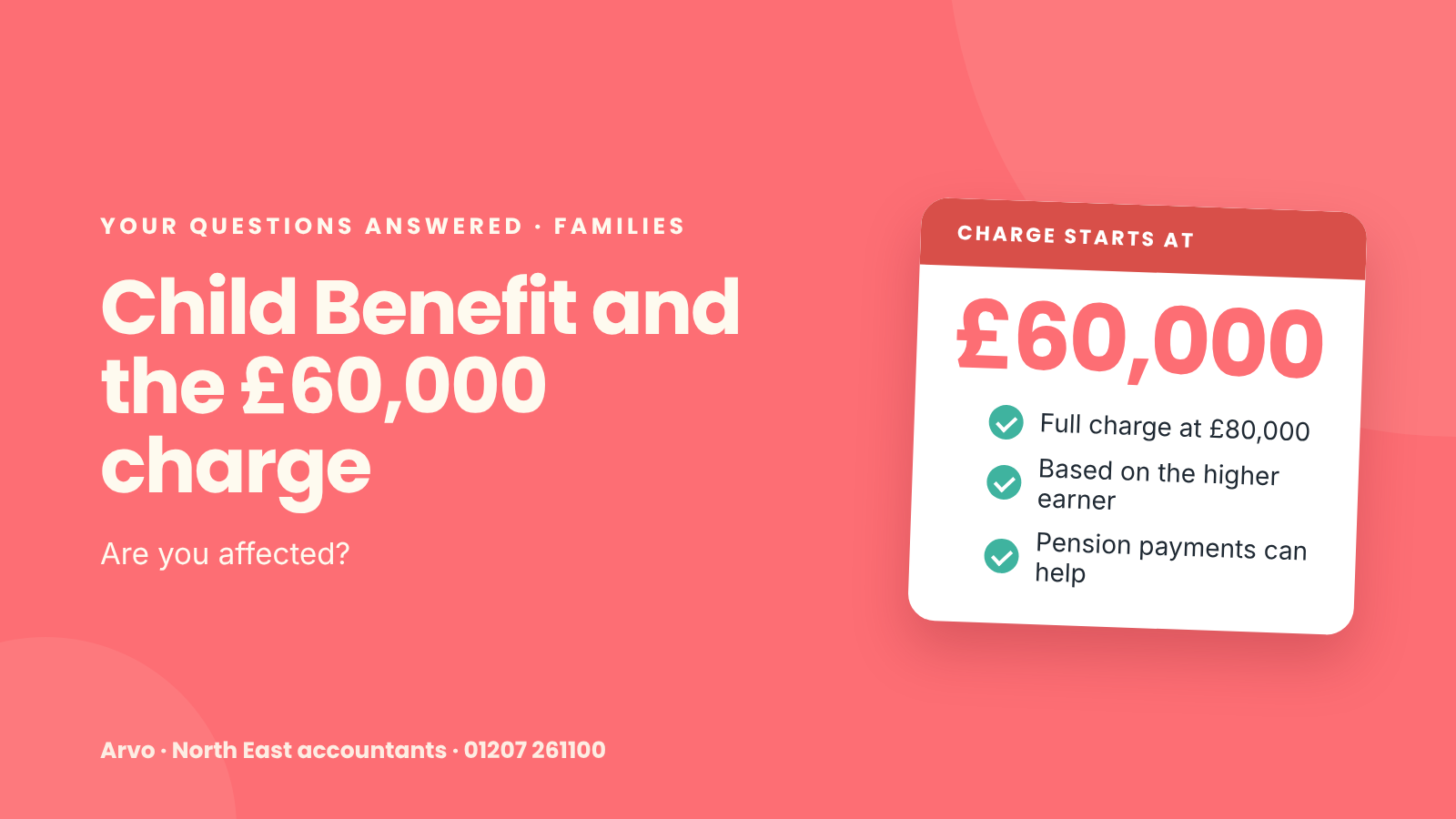
Child Benefit and the £60,000 charge: are you affected?
If you or your partner earn over £60,000 and get Child Benefit, you may have a tax charge to pay. Here's how it works and how to reduce it.
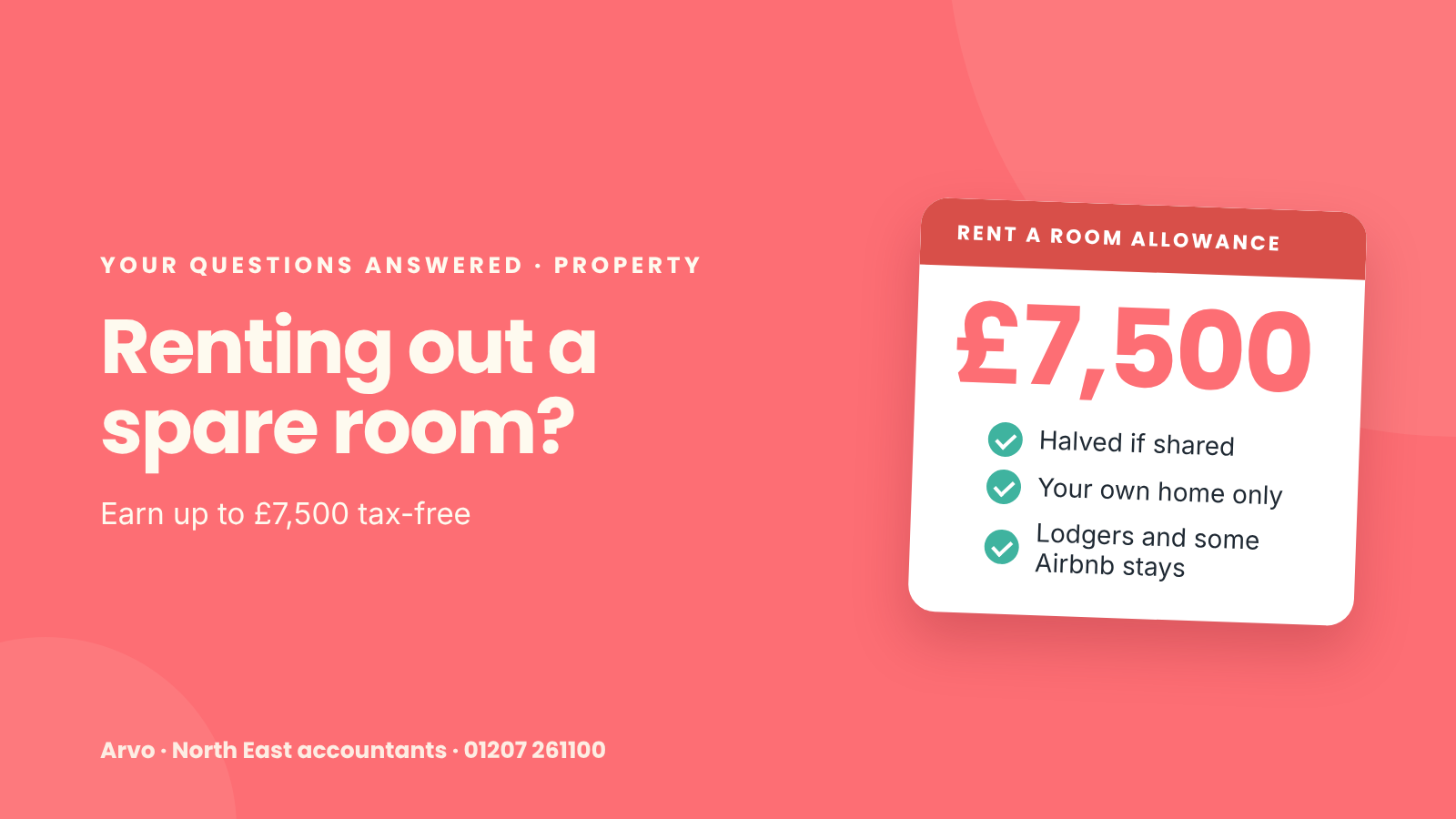
Renting out a spare room? Earn up to £7,500 tax-free
If you rent out a furnished room in your own home, you could earn up to £7,500 a year tax-free. Here's how Rent a Room relief works.

Paying yourself as a sole trader: drawings vs profit
As a sole trader, you don't pay tax on what you take out of the business. You pay it on your profit. Here's why that matters.
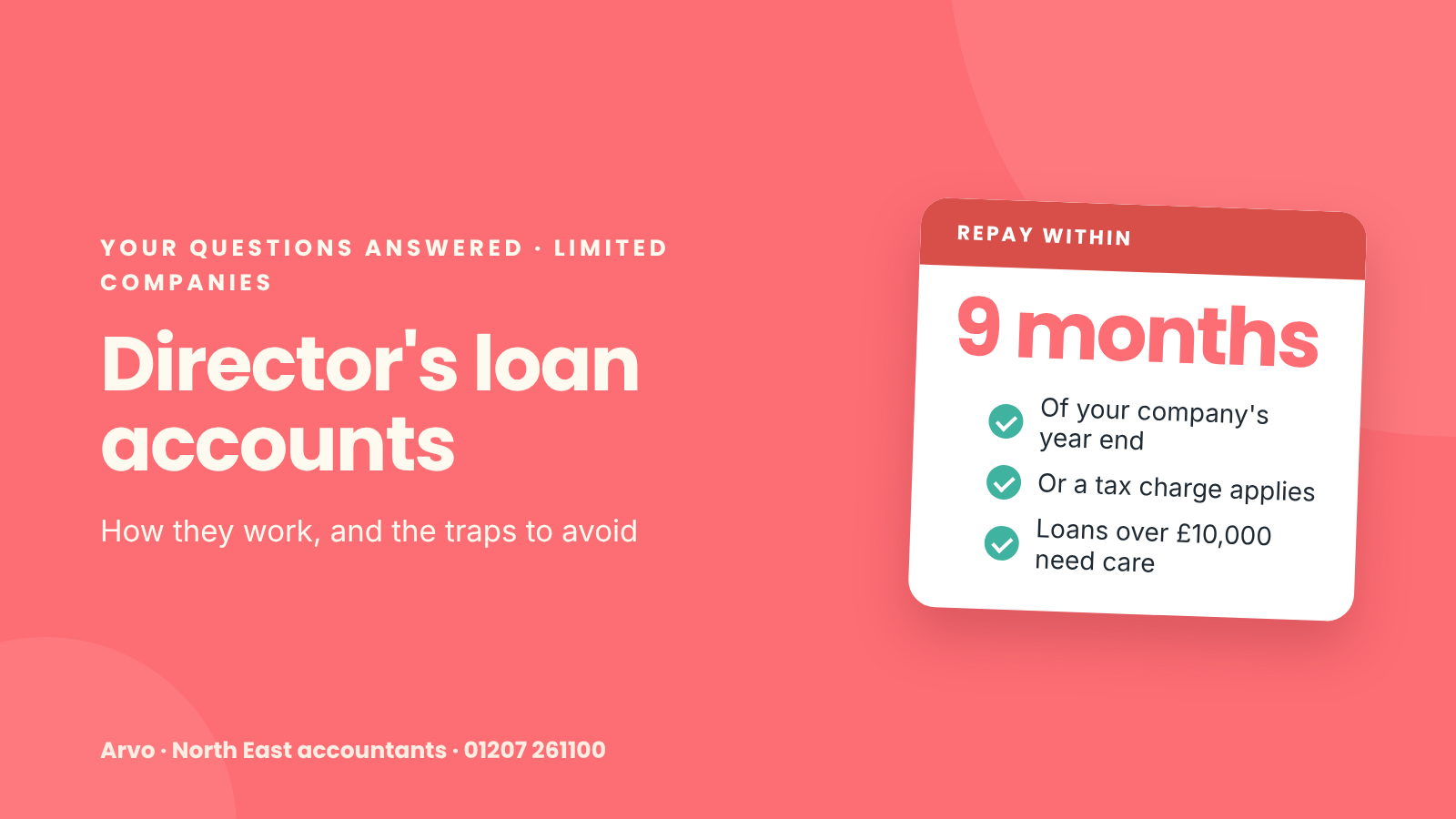
Director's loan accounts explained
Taking money out of your company that isn't salary or dividends? That's a director's loan. Here's how it works, and the tax traps to avoid.
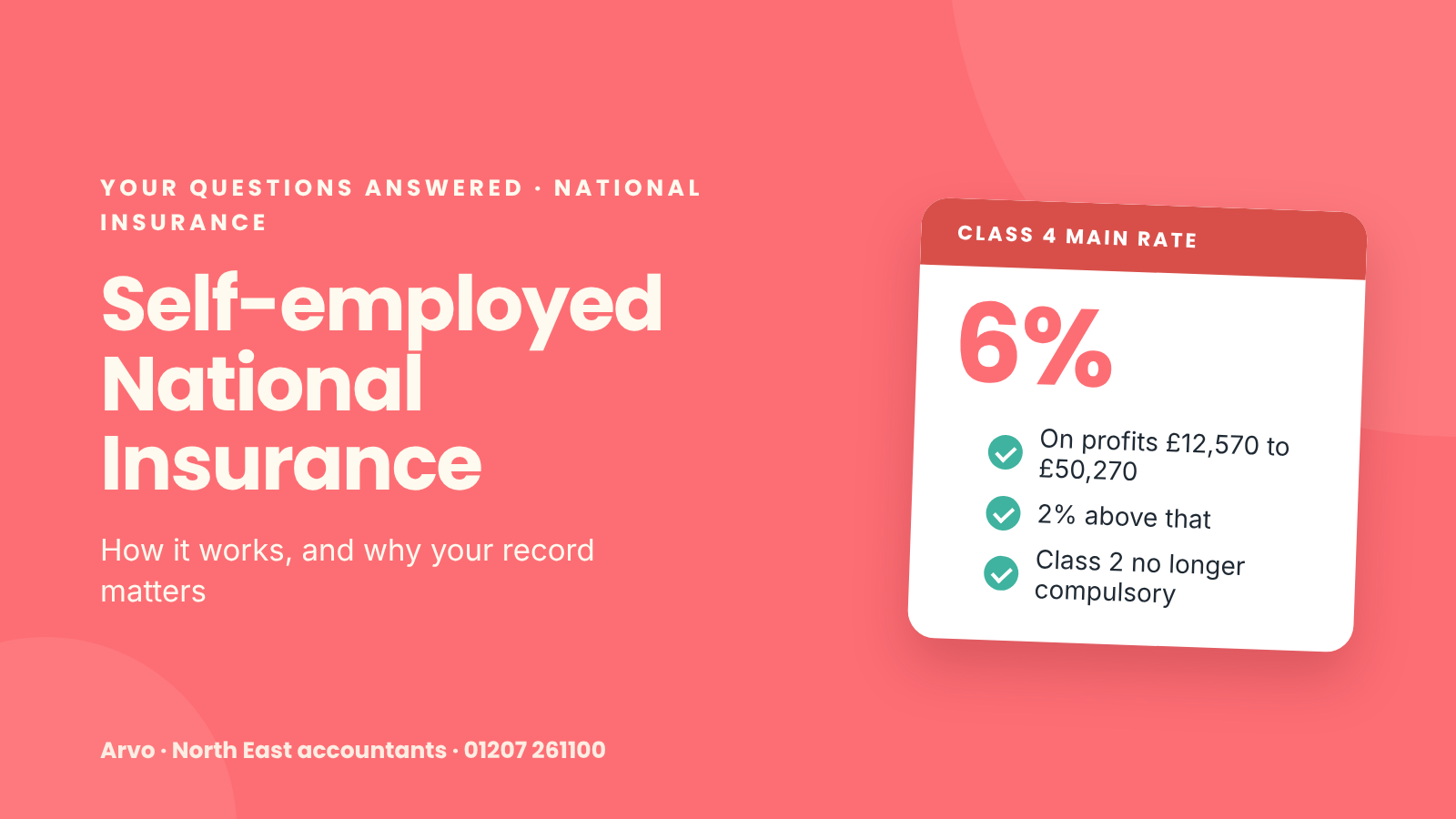
National Insurance when you're self-employed: how it works
National Insurance for the self-employed has changed in recent years. Here's how it works now, and why your National Insurance record still matters.
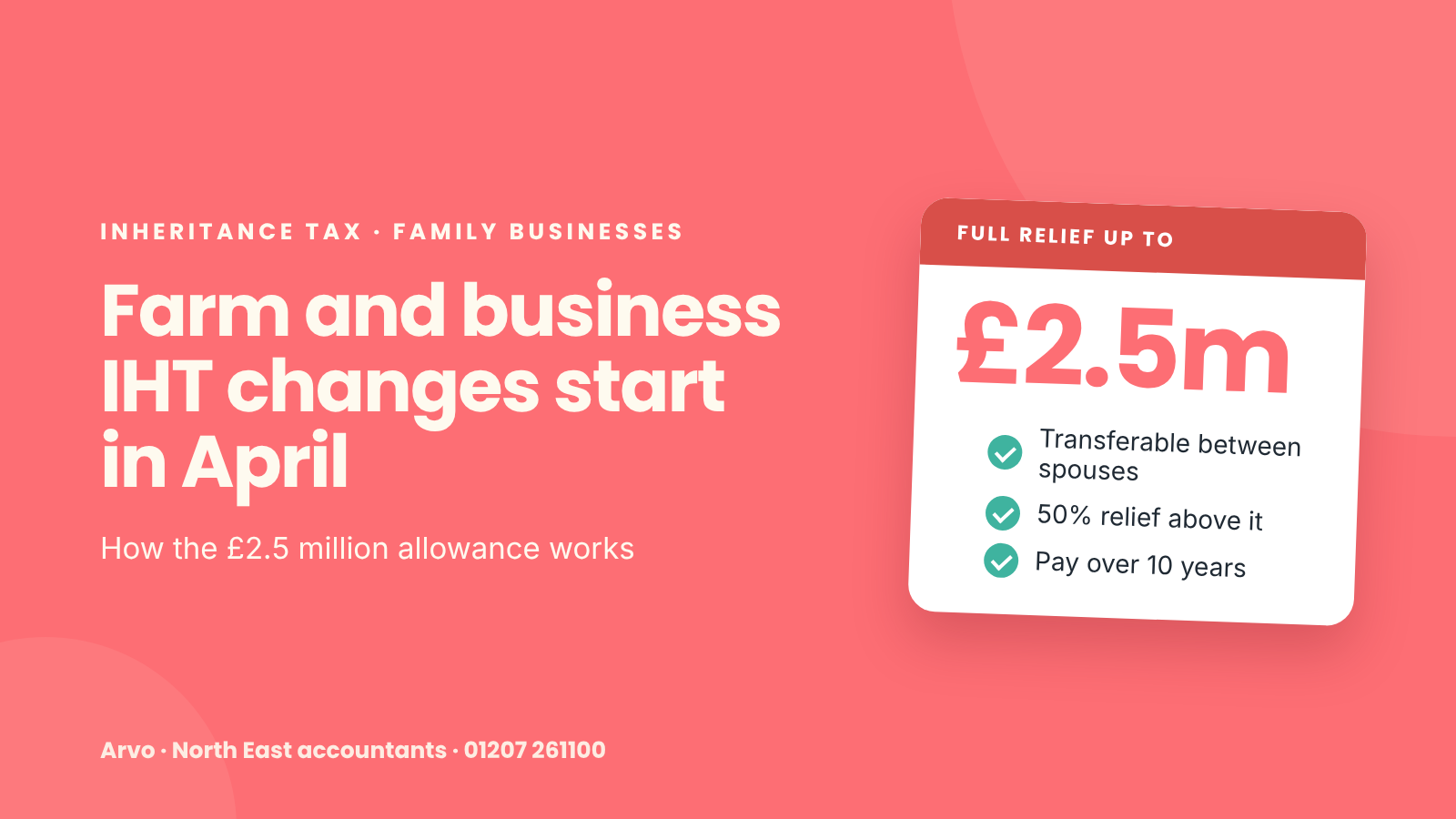
Farms and family businesses: the inheritance tax changes start on 6 April
The new limits on business and agricultural property relief start on 6 April 2026. Here's how the £2.5 million allowance works and what to review now.
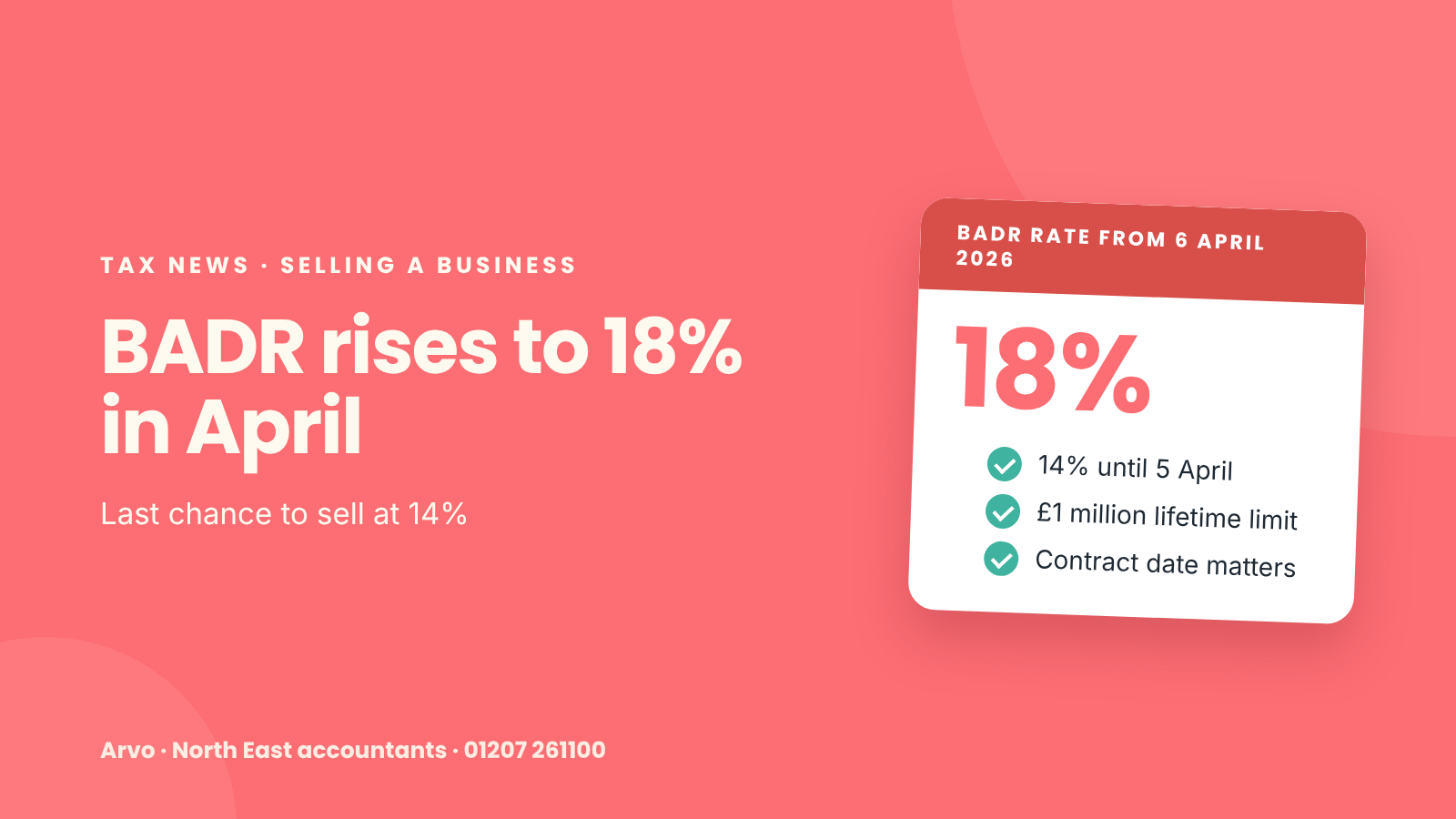
Business Asset Disposal Relief rises to 18% in April: last chance at 14%
Business Asset Disposal Relief rises from 14% to 18% on 6 April 2026. Here's what the final rise means on a typical sale, and why the contract date matters.
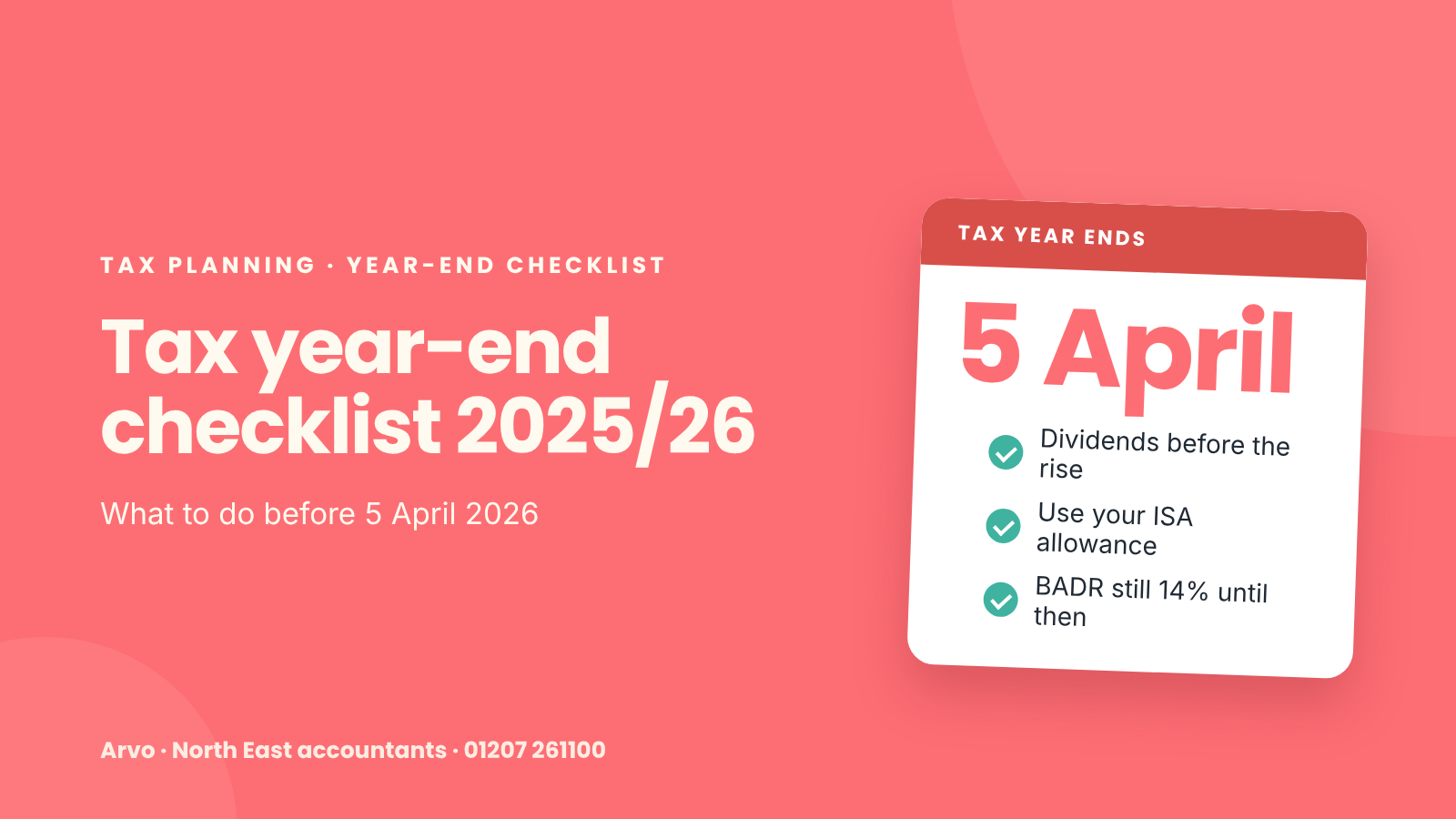
Tax year-end checklist 2025/26: what to do before 5 April 2026
The 2025/26 tax year ends on 5 April. With dividend tax and BADR both rising in April, this year's checklist matters more than most.
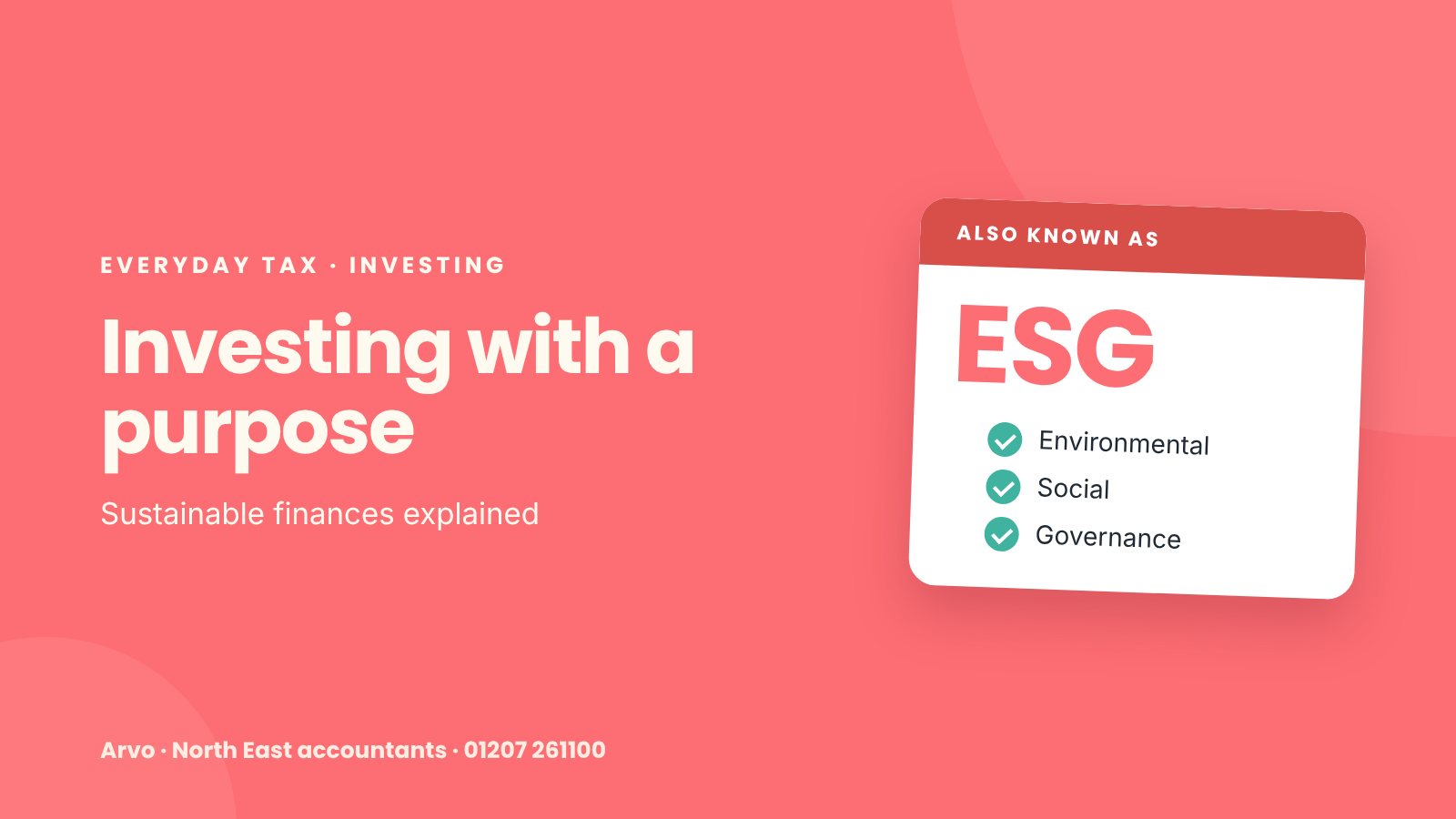
Sustainable Finances: Investing with a Purpose
When it comes to investing money, most people are concerned about things like returns, diversification, and risk. However, in the modern world, a growing number of investors are placing greater emphasis on investing with purpose.
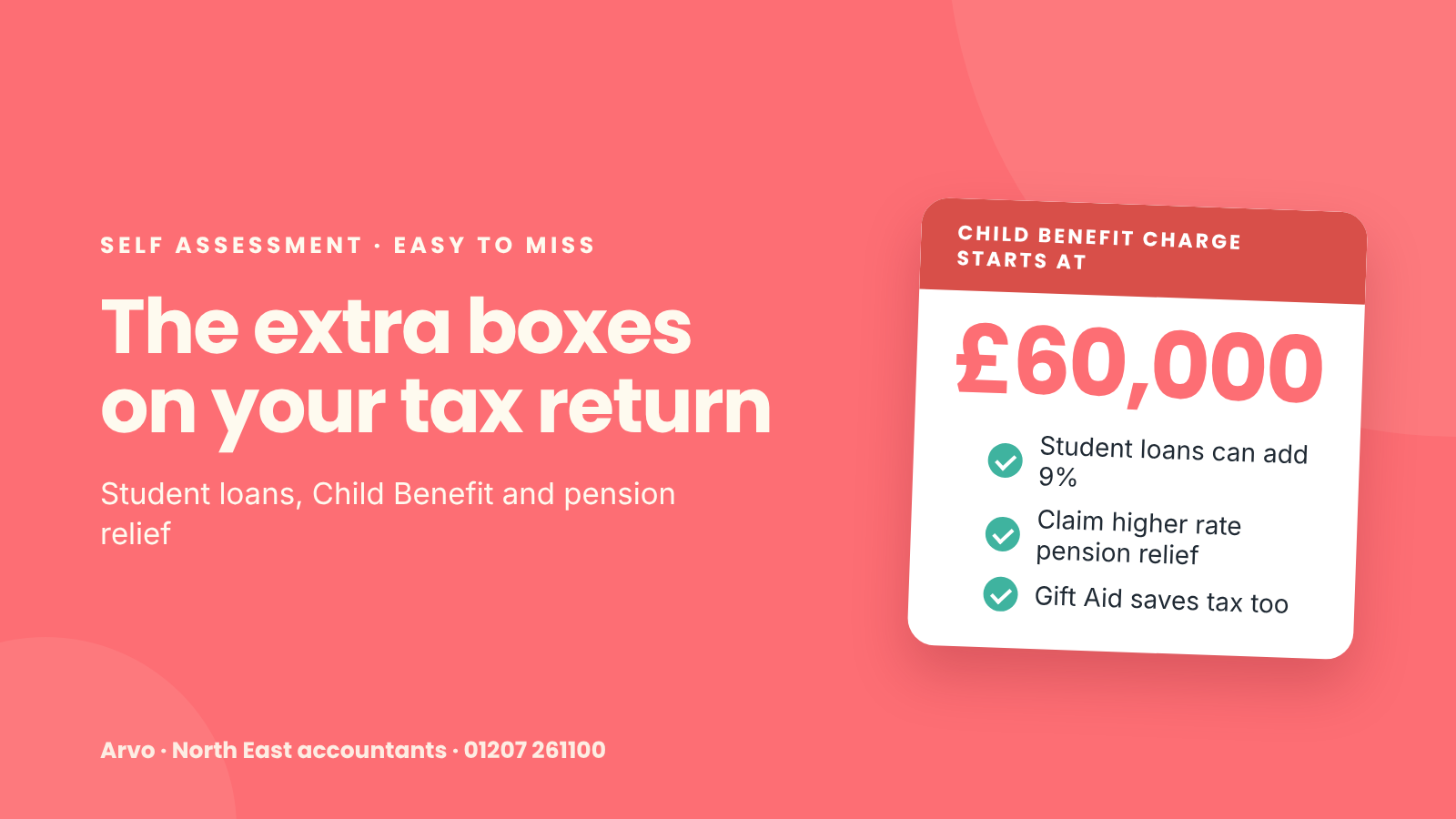
Student loans, Child Benefit, pension relief: the extra boxes on your tax return
Some of the most expensive tax return mistakes are in the sections people skip. Here's how student loans, Child Benefit and pension relief change your bill.
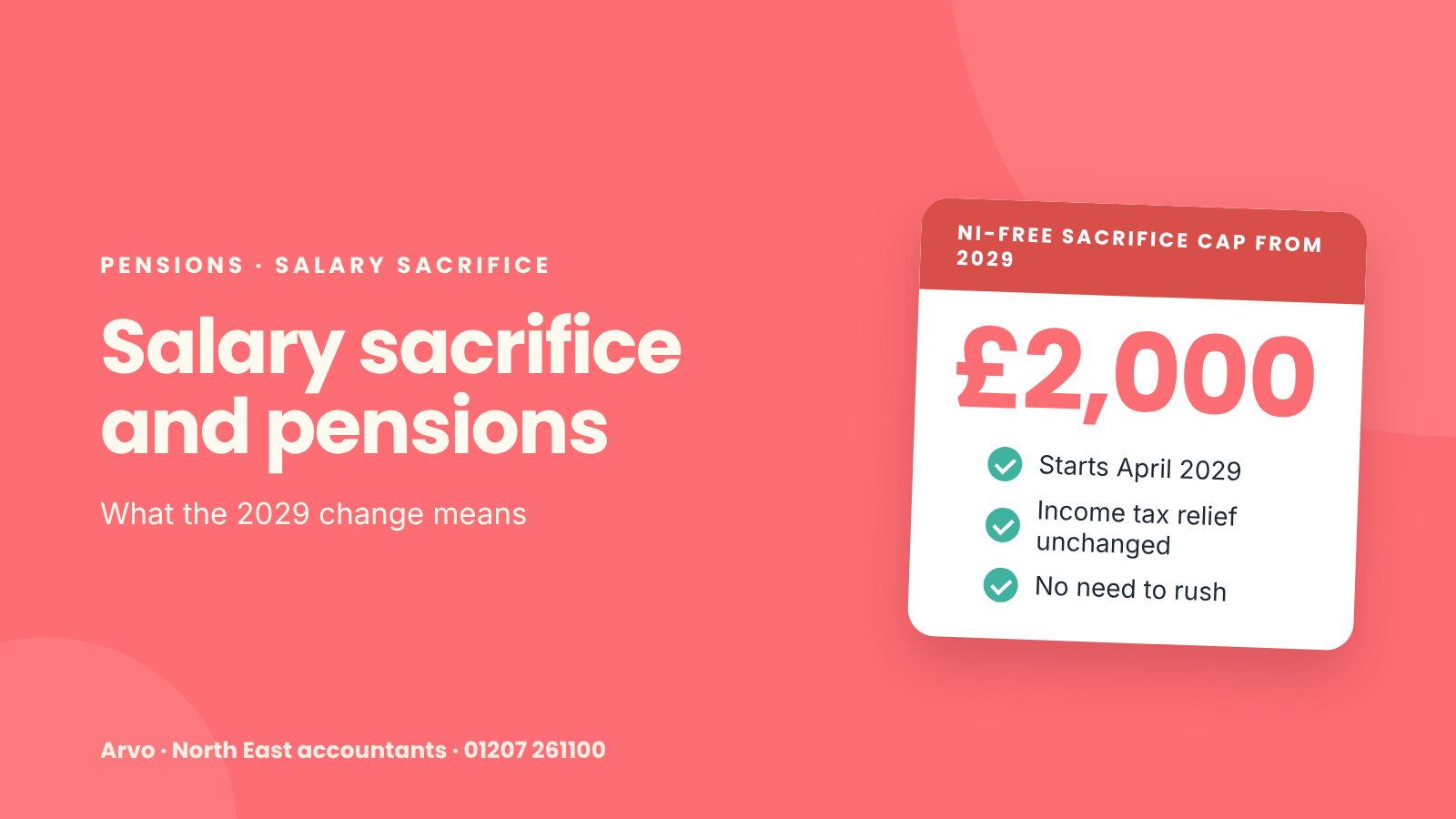
Salary sacrifice and pensions: what the 2029 change means
From April 2029, only the first £2,000 of pension salary sacrifice will be free of National Insurance. Here's who's affected and why there's no need to rush.
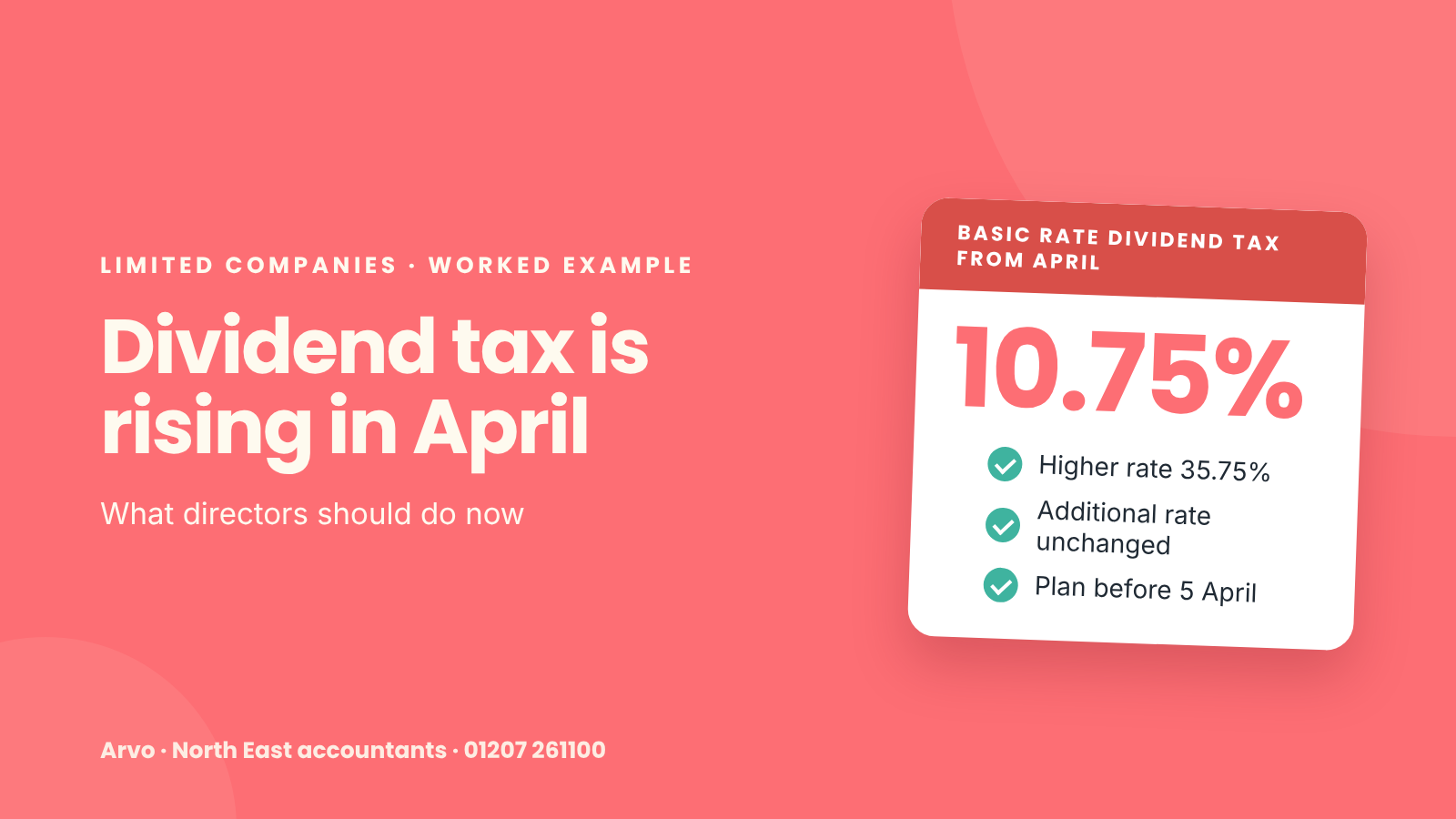
Dividend tax is rising in April 2026: what directors should do now
Dividend tax rises by 2 percentage points from 6 April 2026. Here's what it costs, whether to bring dividends forward and how to review your pay.
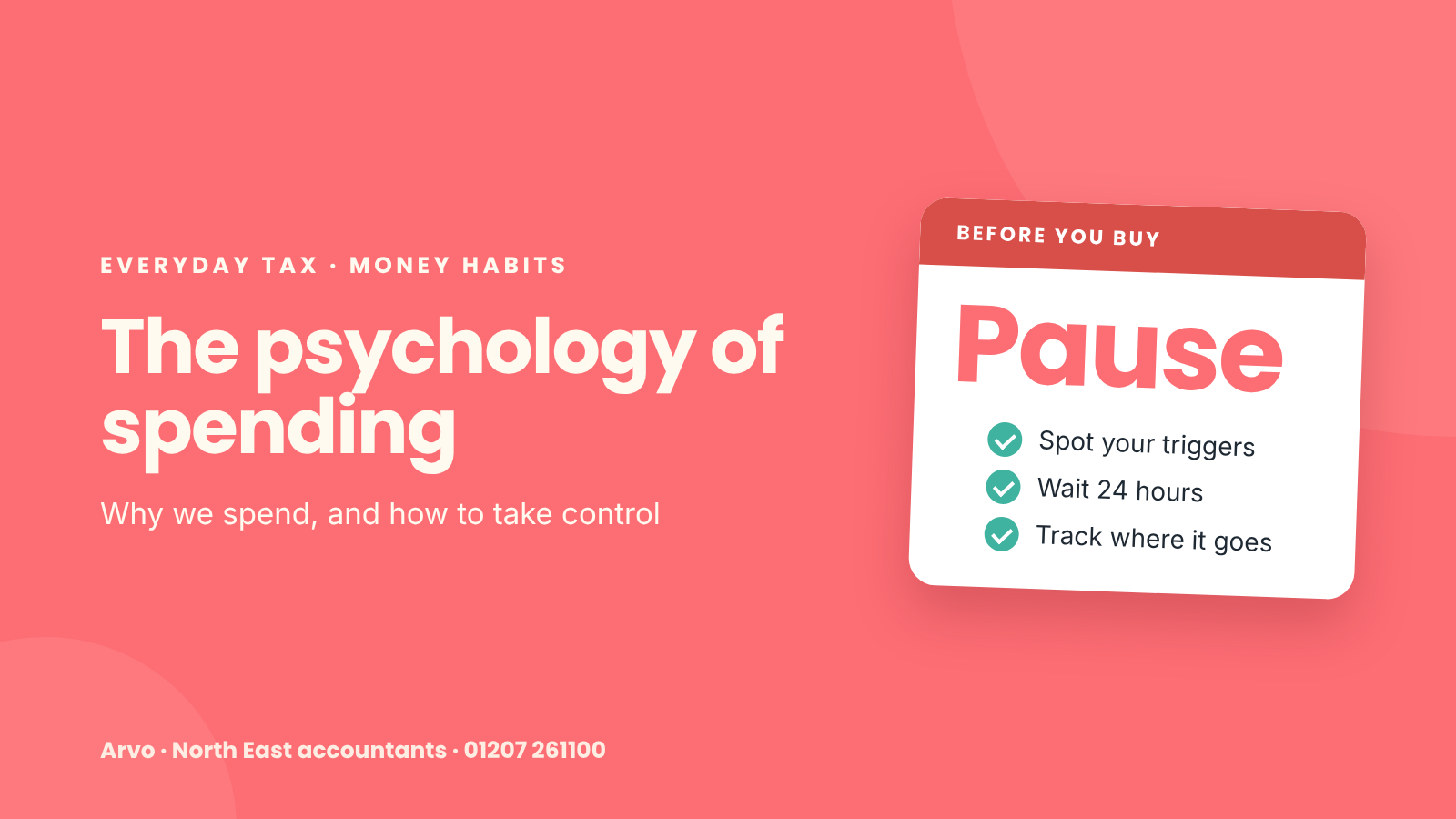
The Psychology of Spending: A Deep Dive
Money is a huge part of our daily lives, whether we like it or not. From paying bills to buying groceries, we're constantly spending money. But did you ever stop to think about why we spend money the way we do?
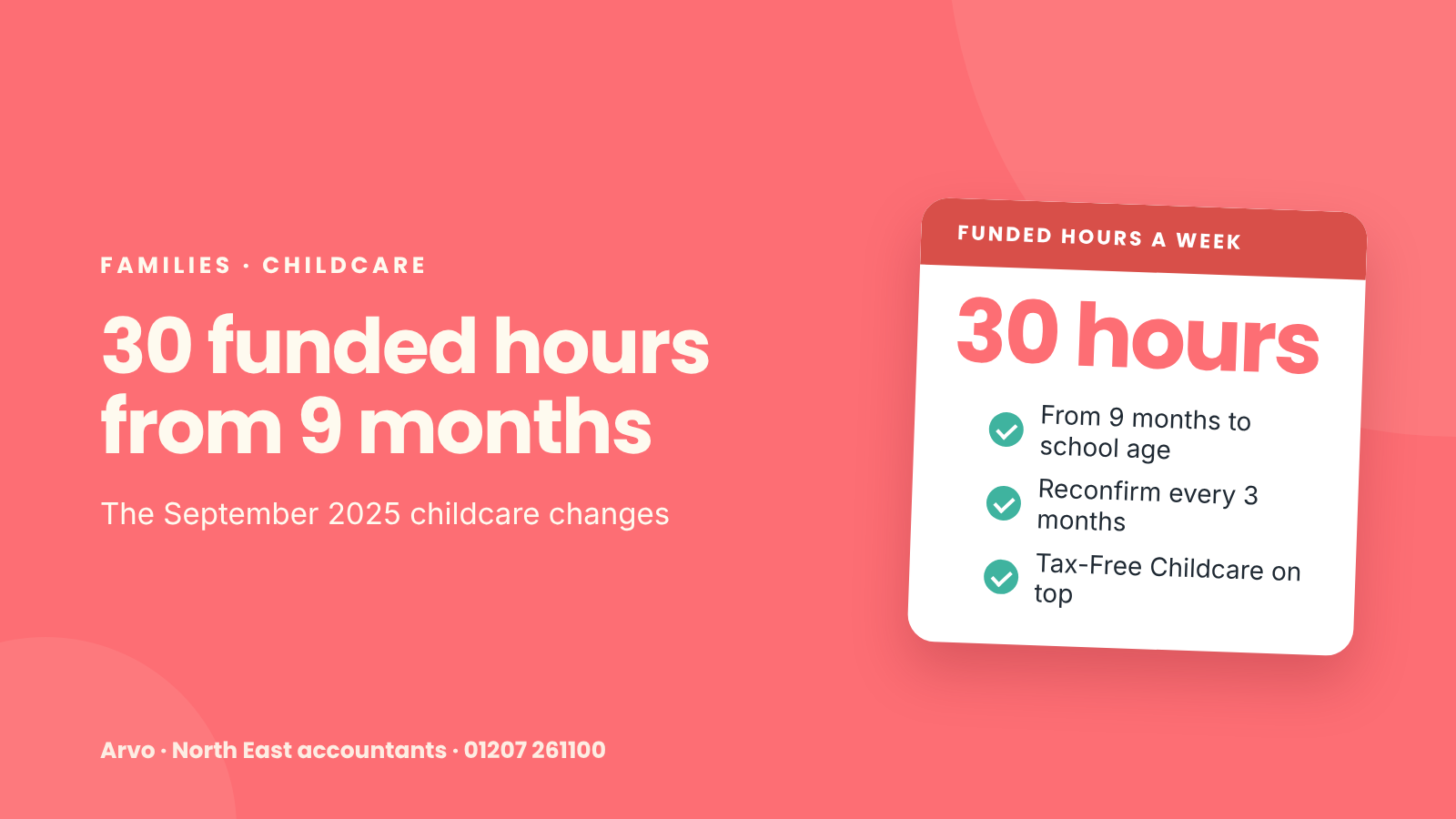
30 funded hours from 9 months: the September 2025 childcare changes
From September 2025, eligible working parents in England can get 30 hours of funded childcare from when their child is 9 months old. Here's who qualifies and how to claim.