

Blog
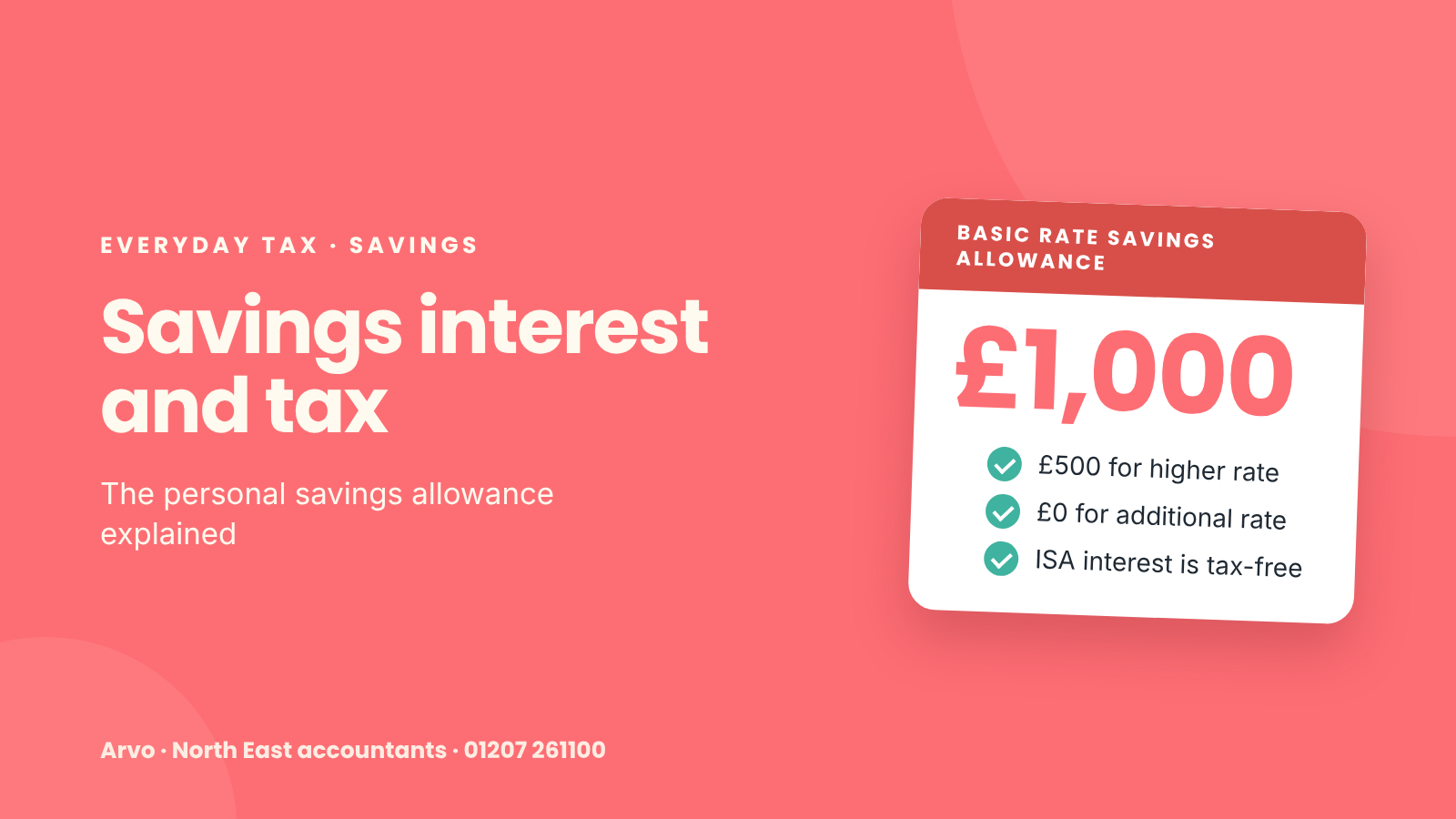
Savings interest and tax: the personal savings allowance explained
With better interest rates, more savers are paying tax on their interest. Here's how the personal savings allowance works and when you need to tell HMRC.
Mastering the Art of Financial Independence
Many of us dream of achieving financial freedom, but few of us know how to get there. From saving strategies to investment basics, there is a lot to learn when it comes to mastering the art of financial independence.
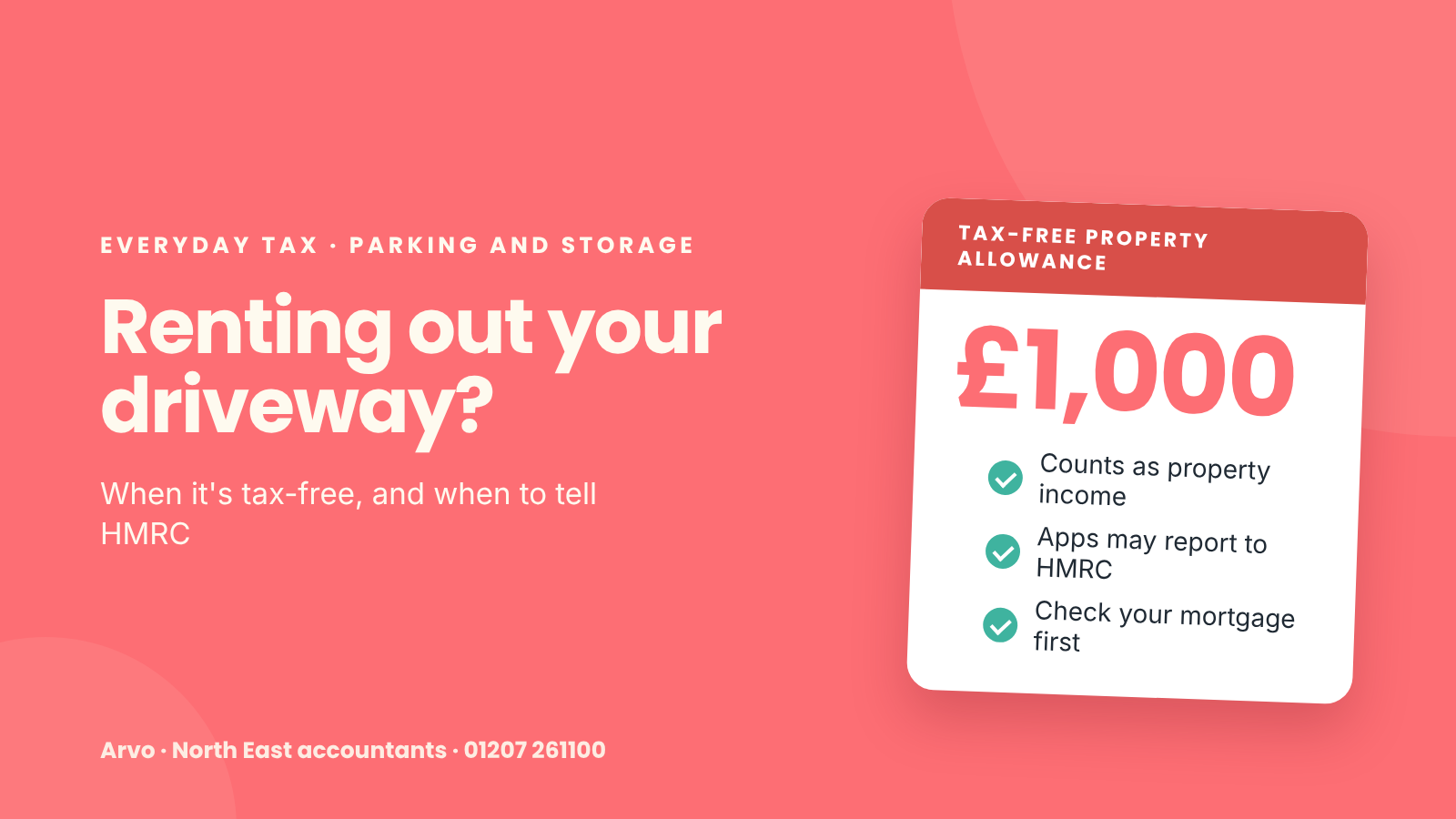
Renting out your driveway or parking space: is it taxable?
Renting out your driveway or garage through an app is a handy bit of extra income. Here's when it's tax-free and when you need to tell HMRC.
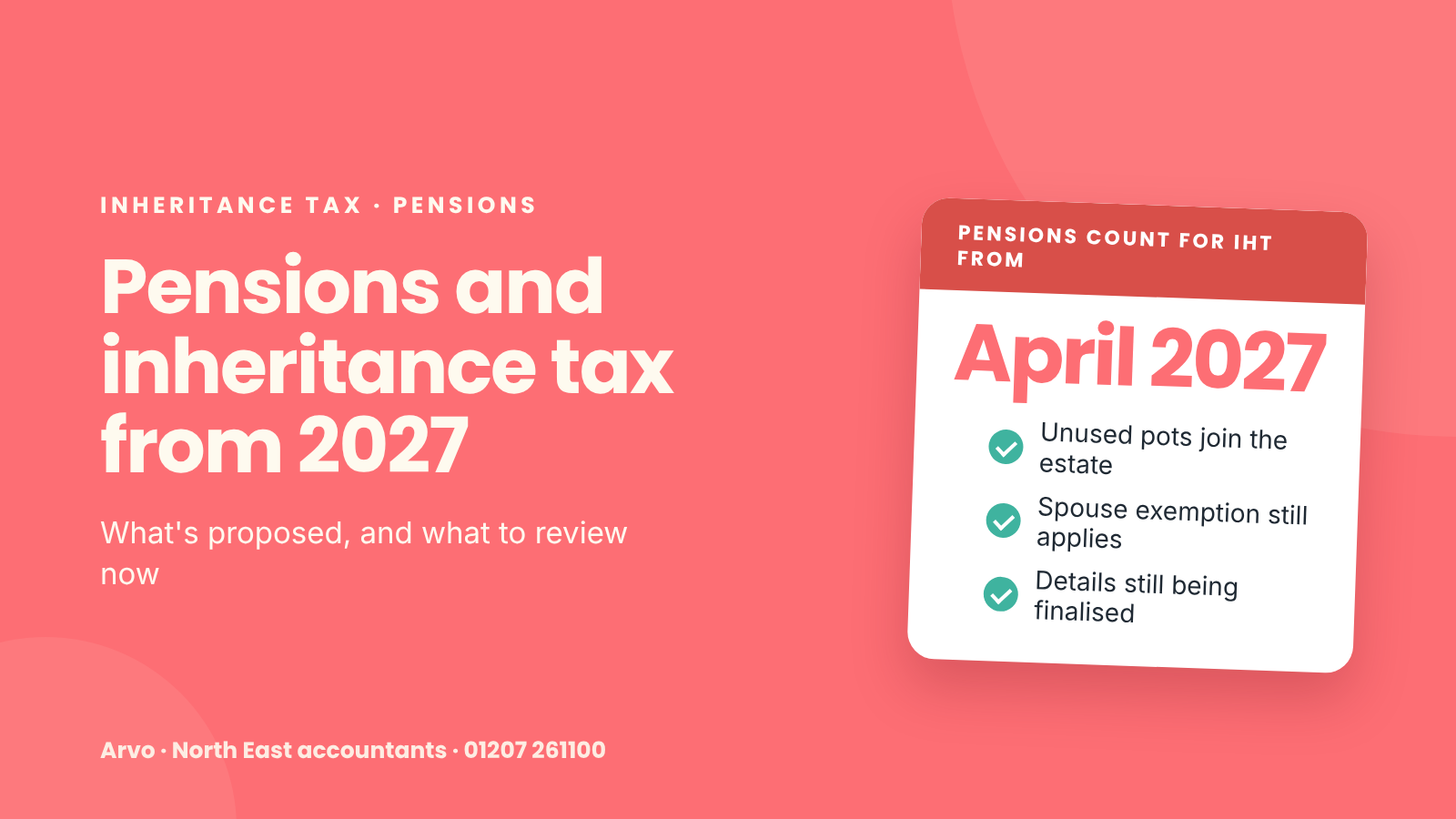
Pensions and inheritance tax from 2027: what's proposed
Unused pension pots are expected to count towards inheritance tax from April 2027. Here's what's been proposed, who's affected and what to review now.
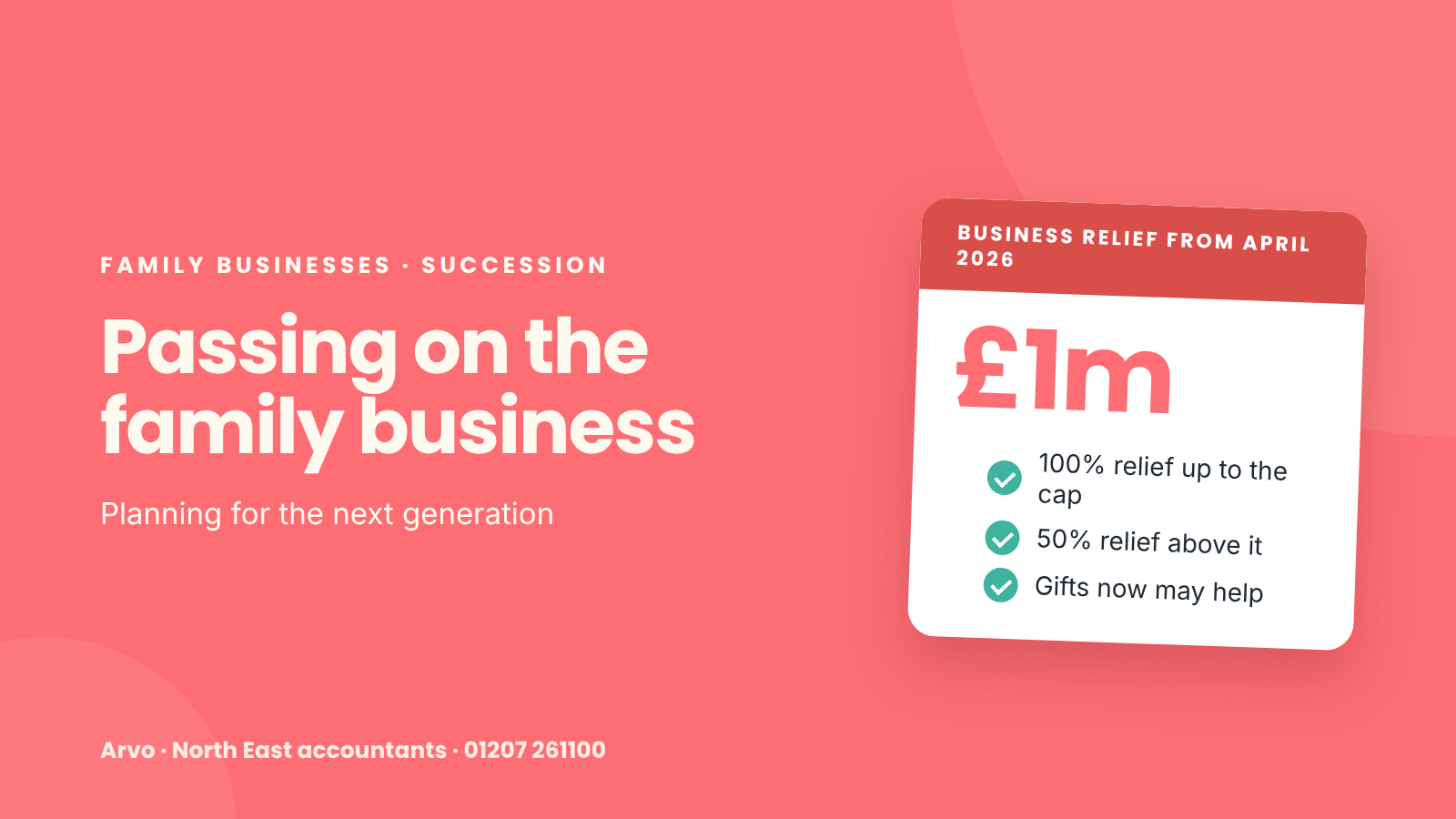
Passing on the family business: planning for the next generation
Passing a business to your children takes planning. Here's how gifting shares, inheritance tax relief and the changes from April 2026 fit together.
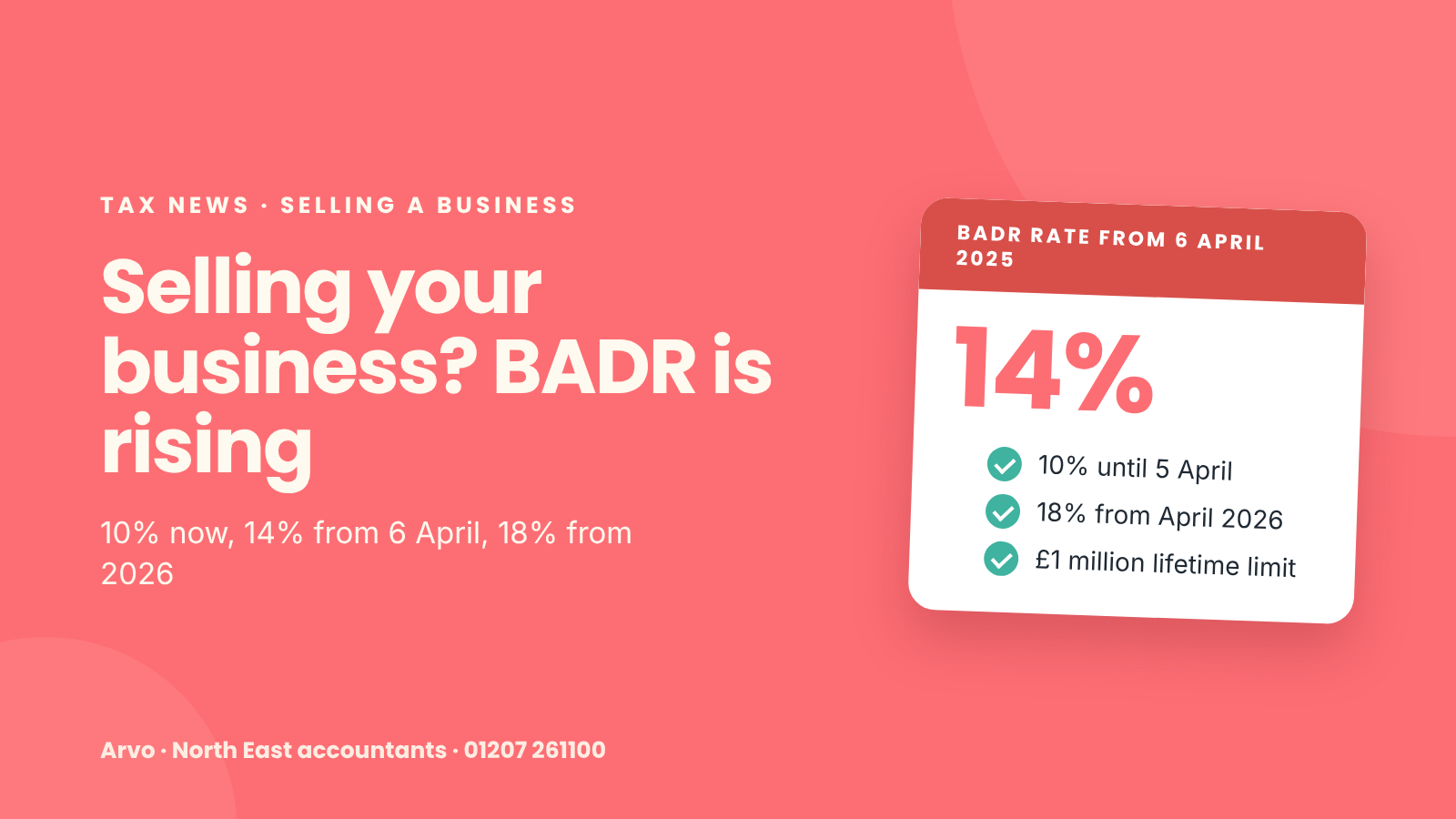
Selling your business? The BADR rate rises to 14% on 6 April
Business Asset Disposal Relief rises from 10% to 14% on 6 April 2025, and to 18% a year later. Here's what it means if you're selling your business.
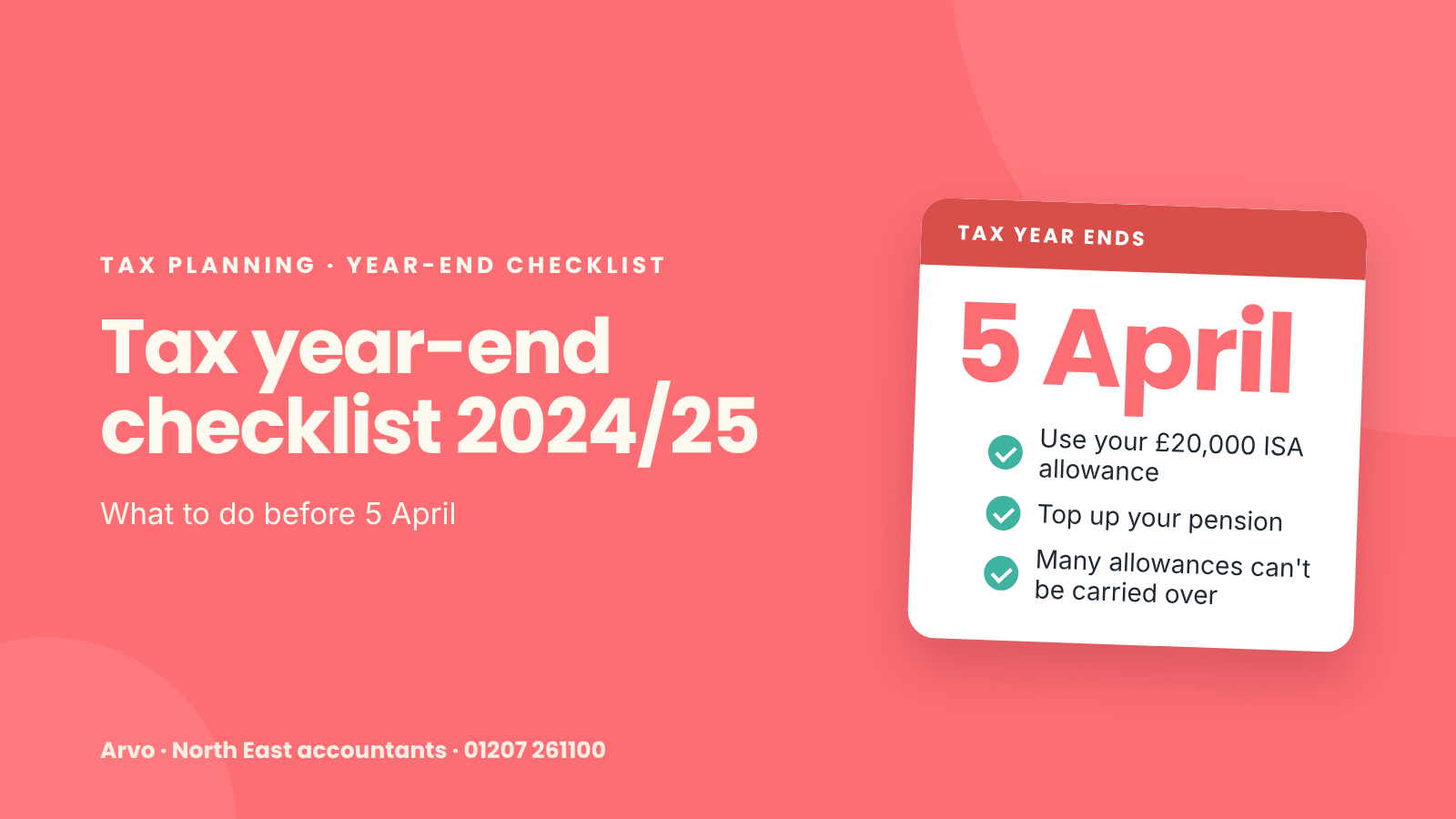
Tax year-end checklist 2024/25: what to do before 5 April
The 2024/25 tax year ends on 5 April. Here's a checklist of allowances to use and actions to take before it's too late.
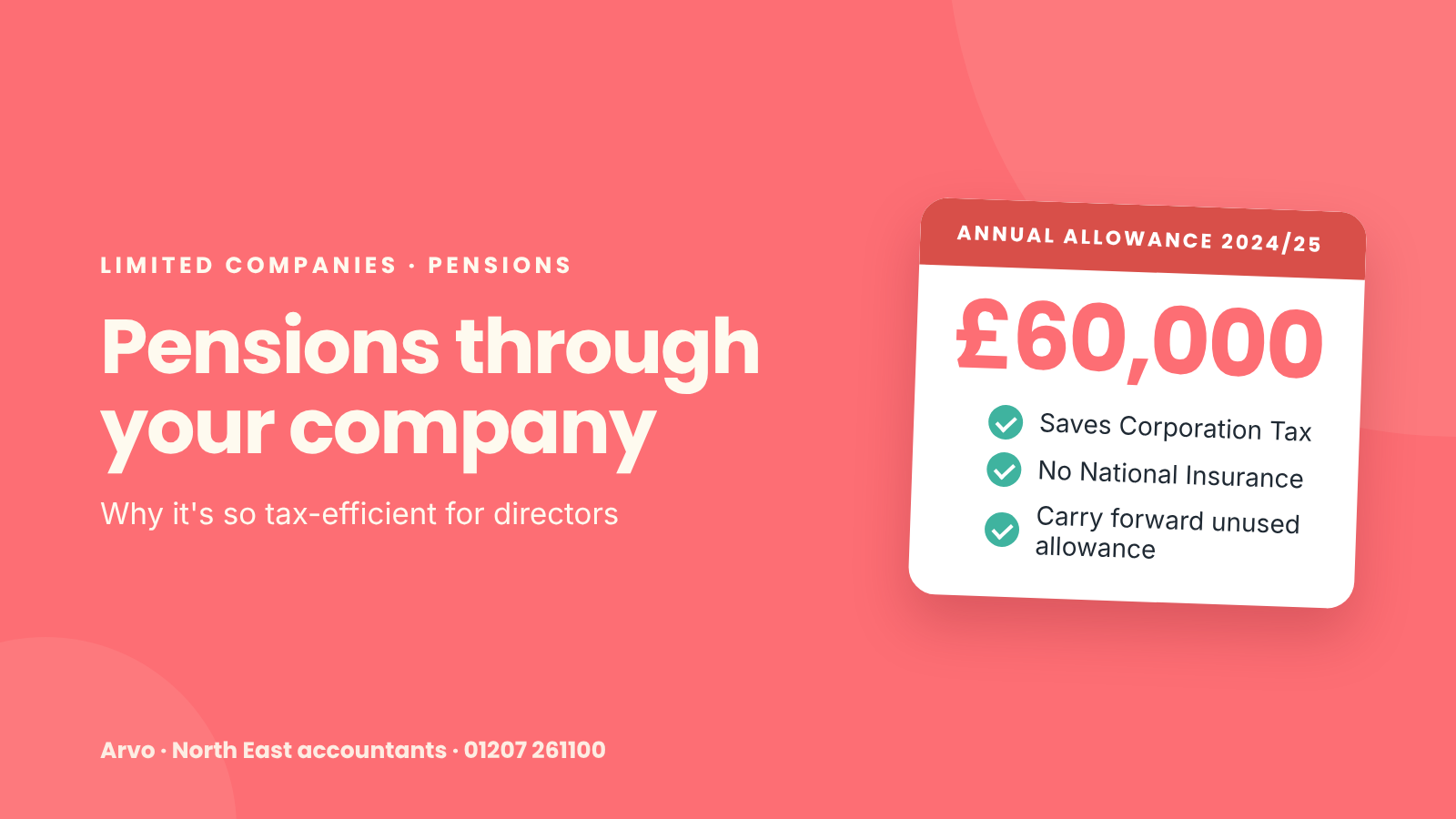
Directors: why pension contributions through your company are so tax-efficient
For company directors, paying into a pension through the company is one of the most tax-efficient ways to take money out. Here's how it compares with salary and dividends.
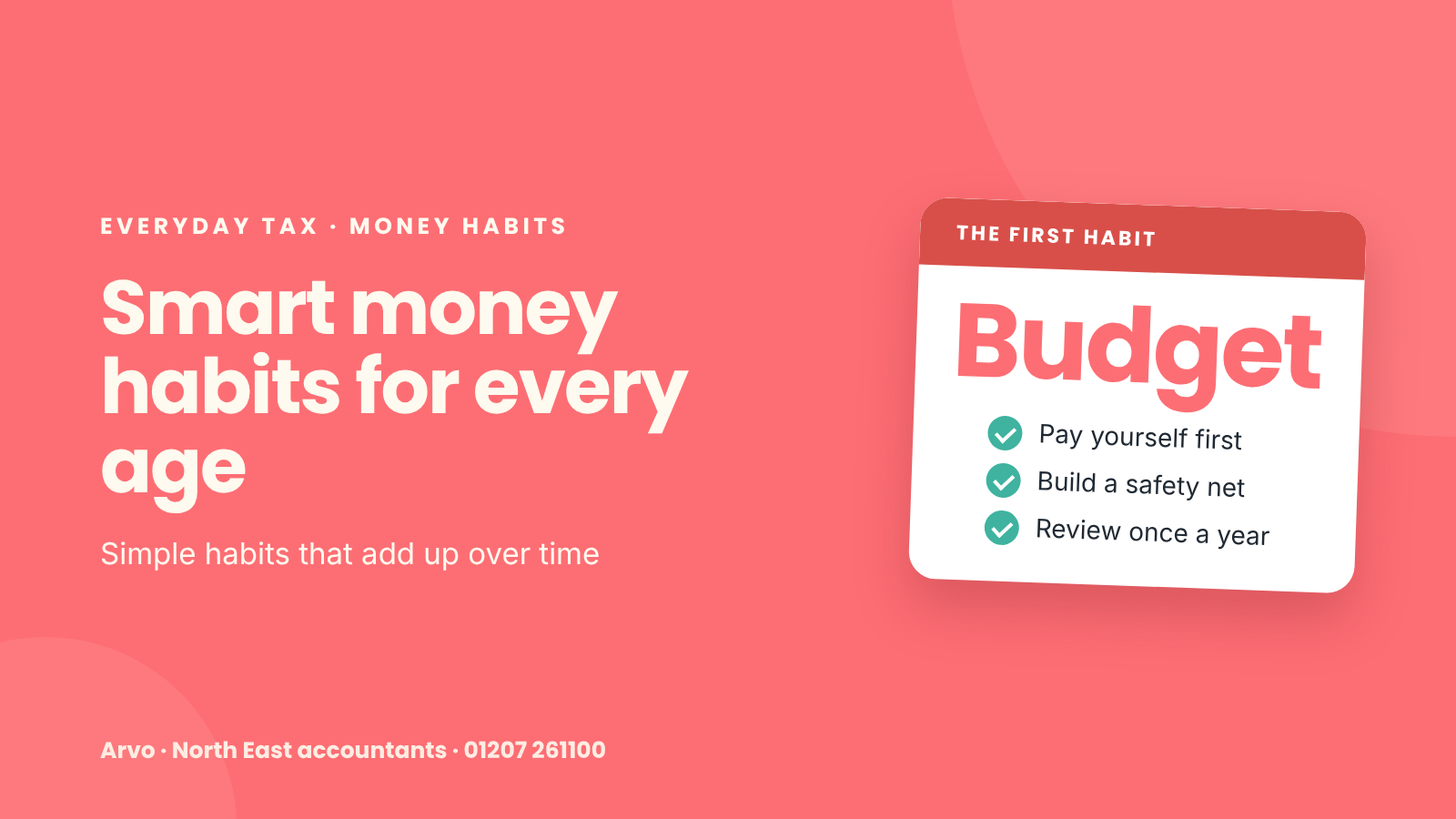
Smart Money Habits for Every Age Group
Money is an essential part of our lives, and managing it well is crucial to financial stability, security, and prosperity. From a young age, everyone should develop smart money habits that can form the foundation of sound financial management.
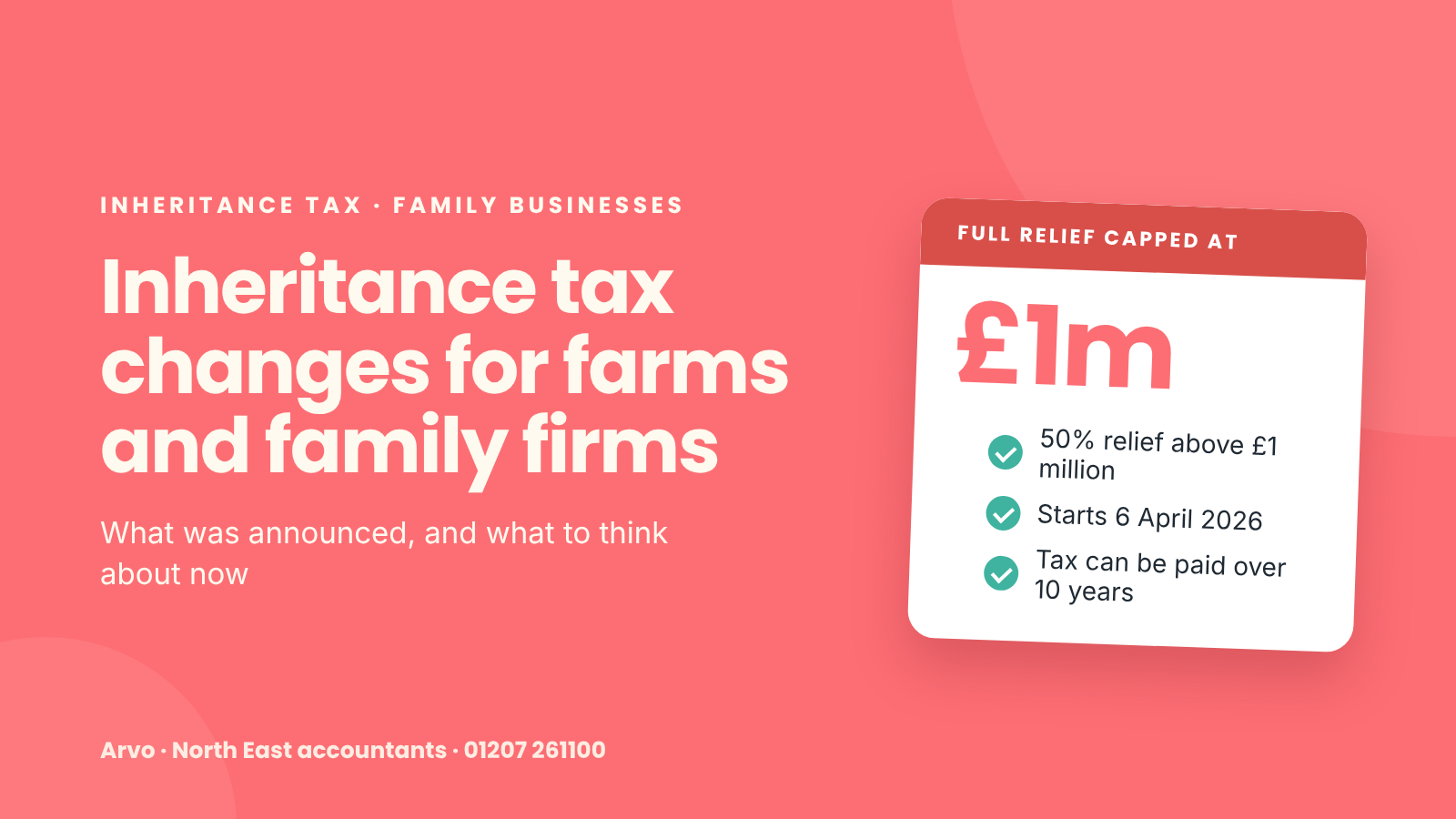
Farms and family businesses: the inheritance tax changes from April 2026
The Budget announced big changes to inheritance tax relief for farms and family businesses from April 2026. Here's what was announced and what to start thinking about.
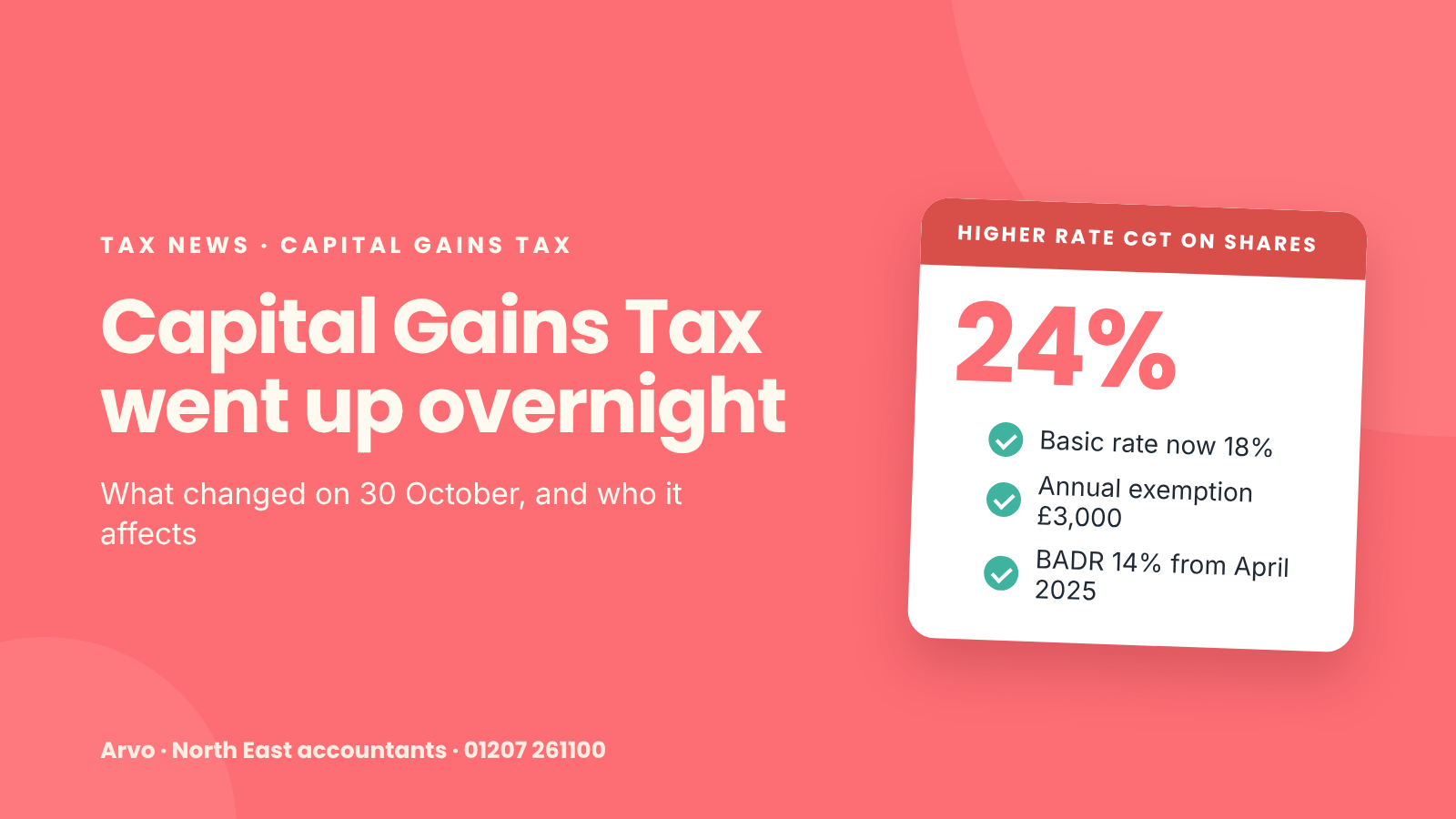
Capital Gains Tax went up overnight: what changed on 30 October
Capital Gains Tax rates rose on Budget day itself. Here's what changed, who it affects and what's coming for business owners selling up.
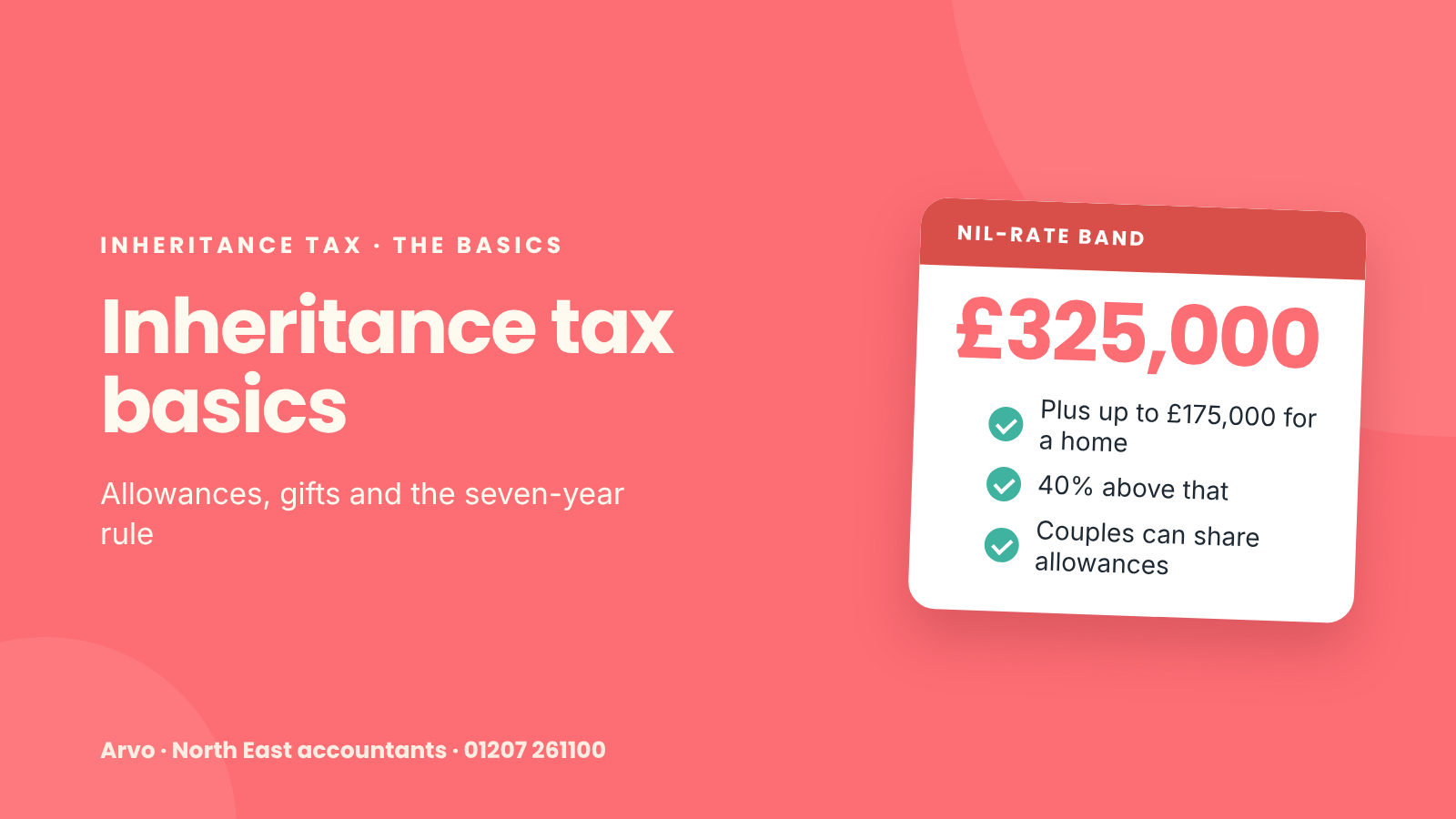
Inheritance tax basics: allowances, gifts and the seven-year rule
Inheritance tax affects more families than people think. Here's how the allowances work, the gifts that are exempt and how the seven-year rule works.
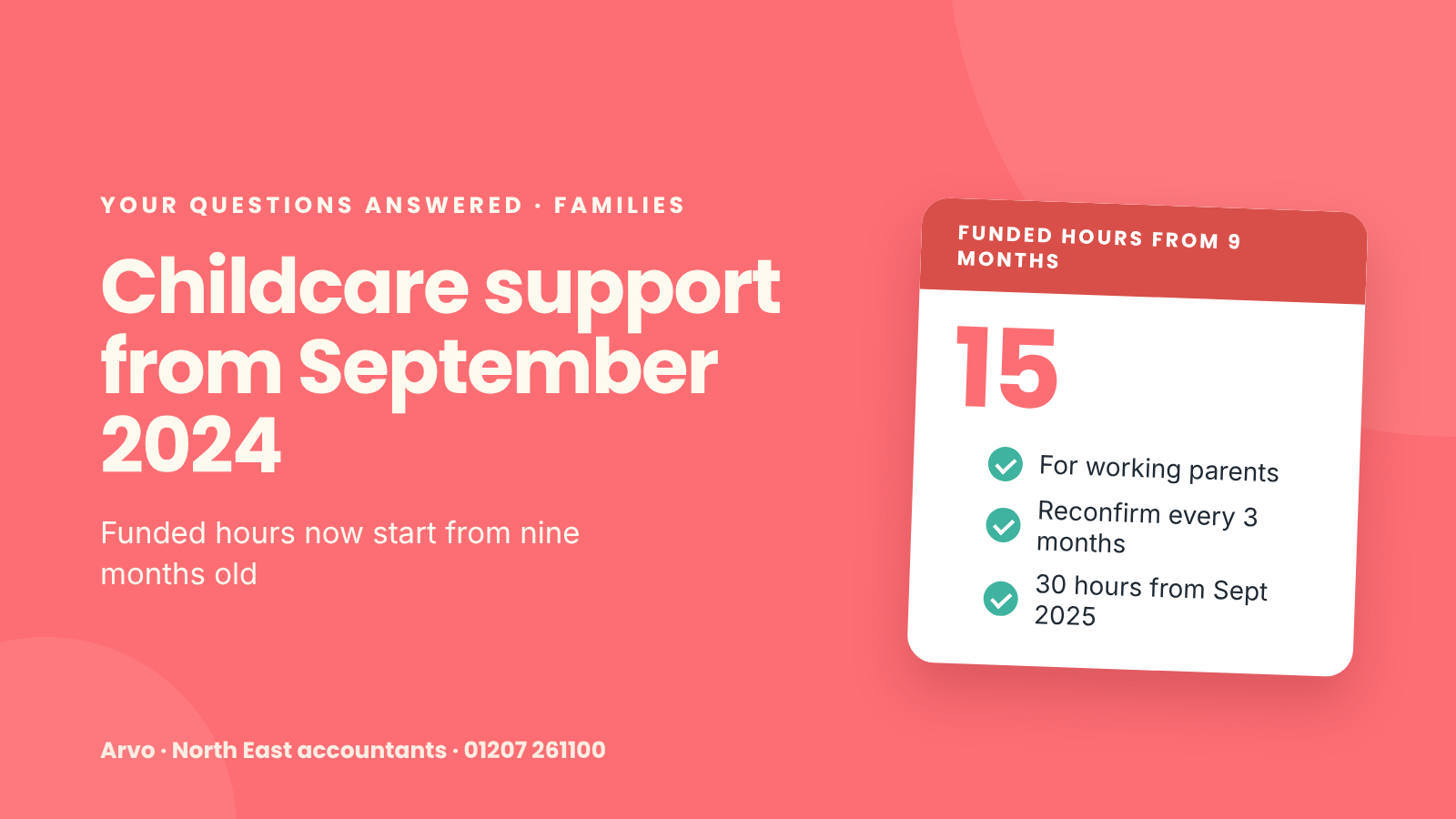
Back to school: the new childcare support from September 2024
From September 2024, working parents of children from nine months old can get 15 hours of funded childcare. Here's who qualifies and how to apply.
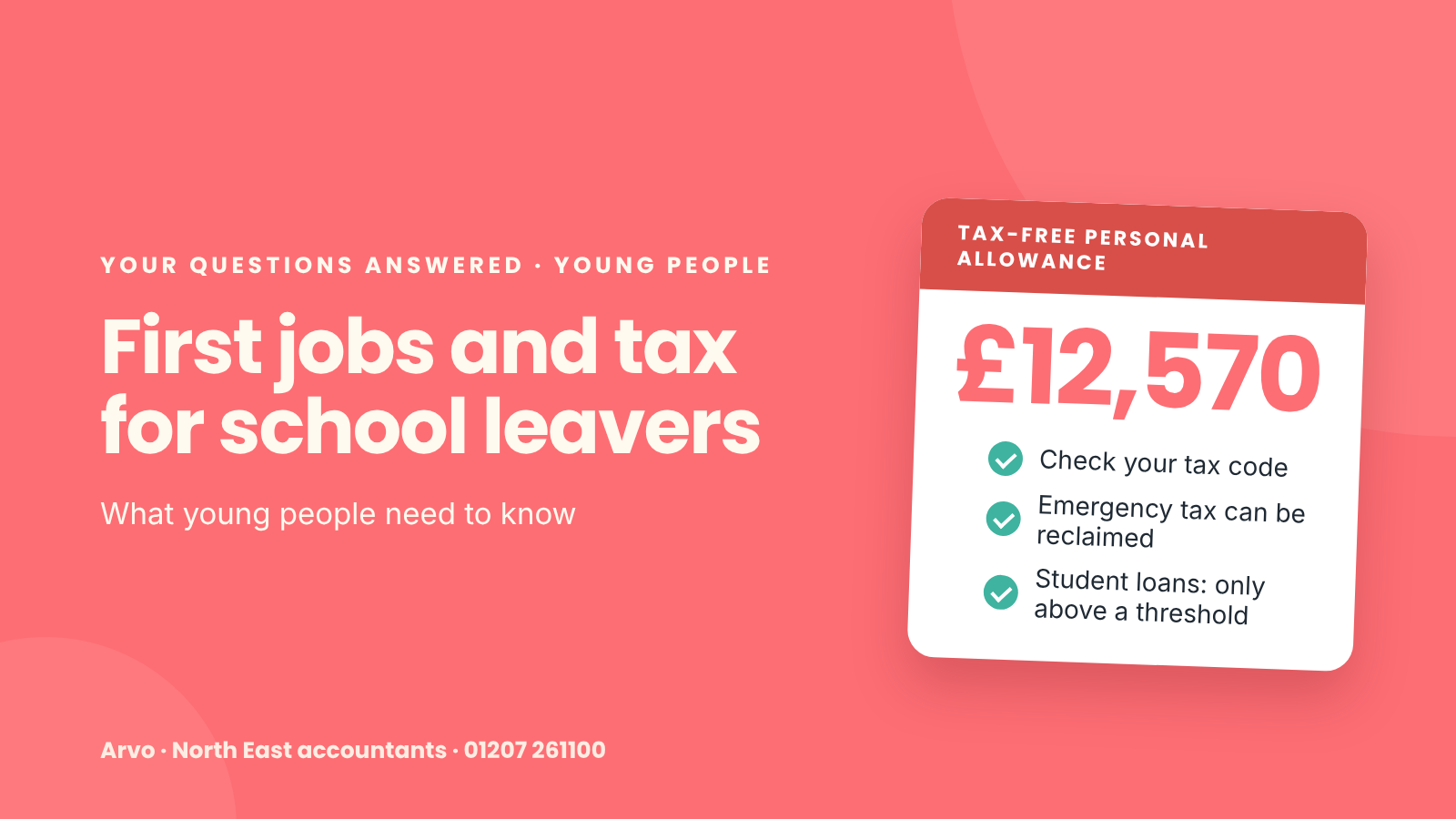
Results week: first jobs, student loans and tax for school leavers
Exam results are out this week and many young people are starting jobs or heading to university. Here's what they need to know about tax.
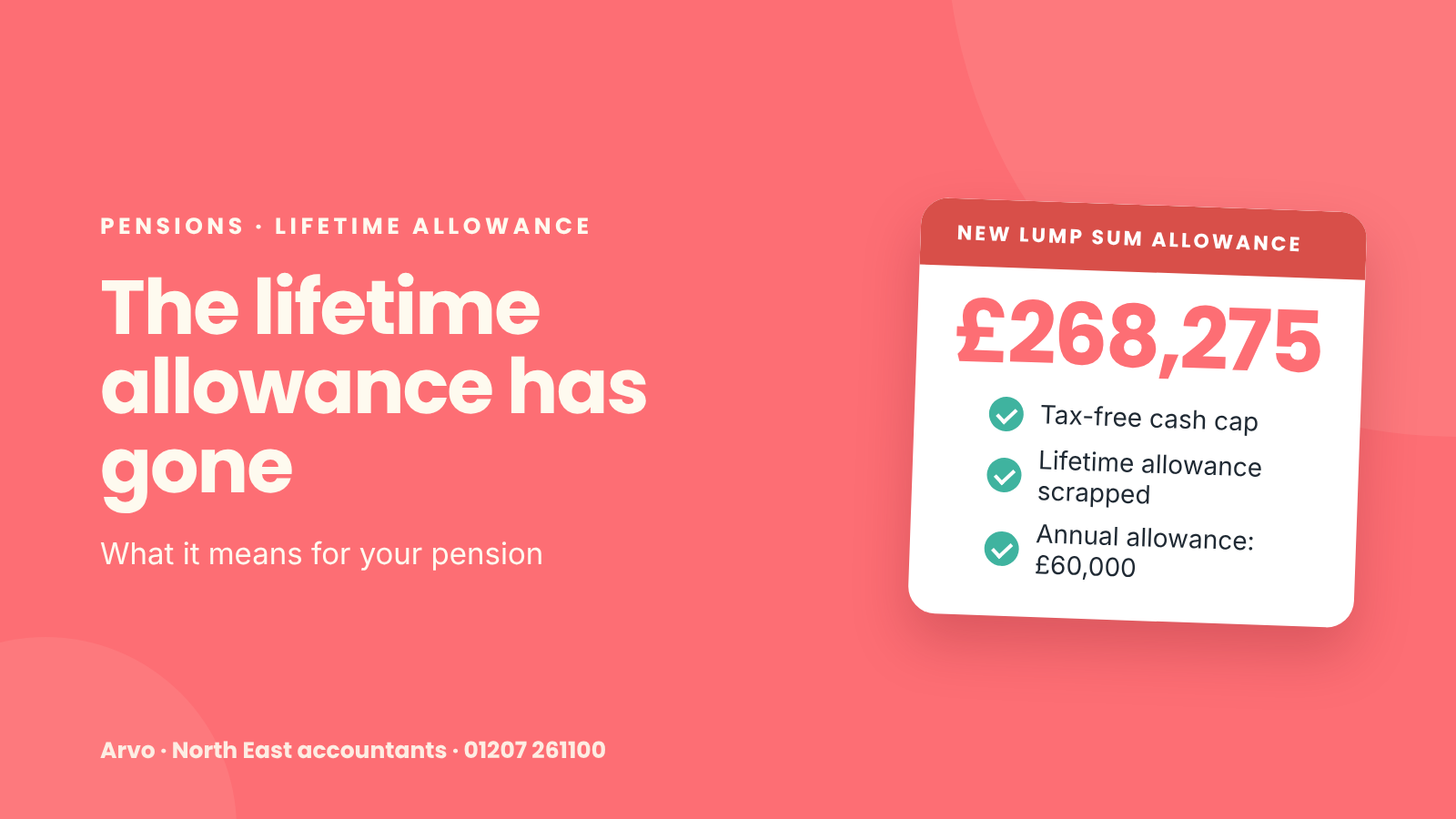
The lifetime allowance has gone: what it means for your pension
The pension lifetime allowance was abolished from 6 April 2024. Here's what's replaced it and what it means if you're building up your pension.
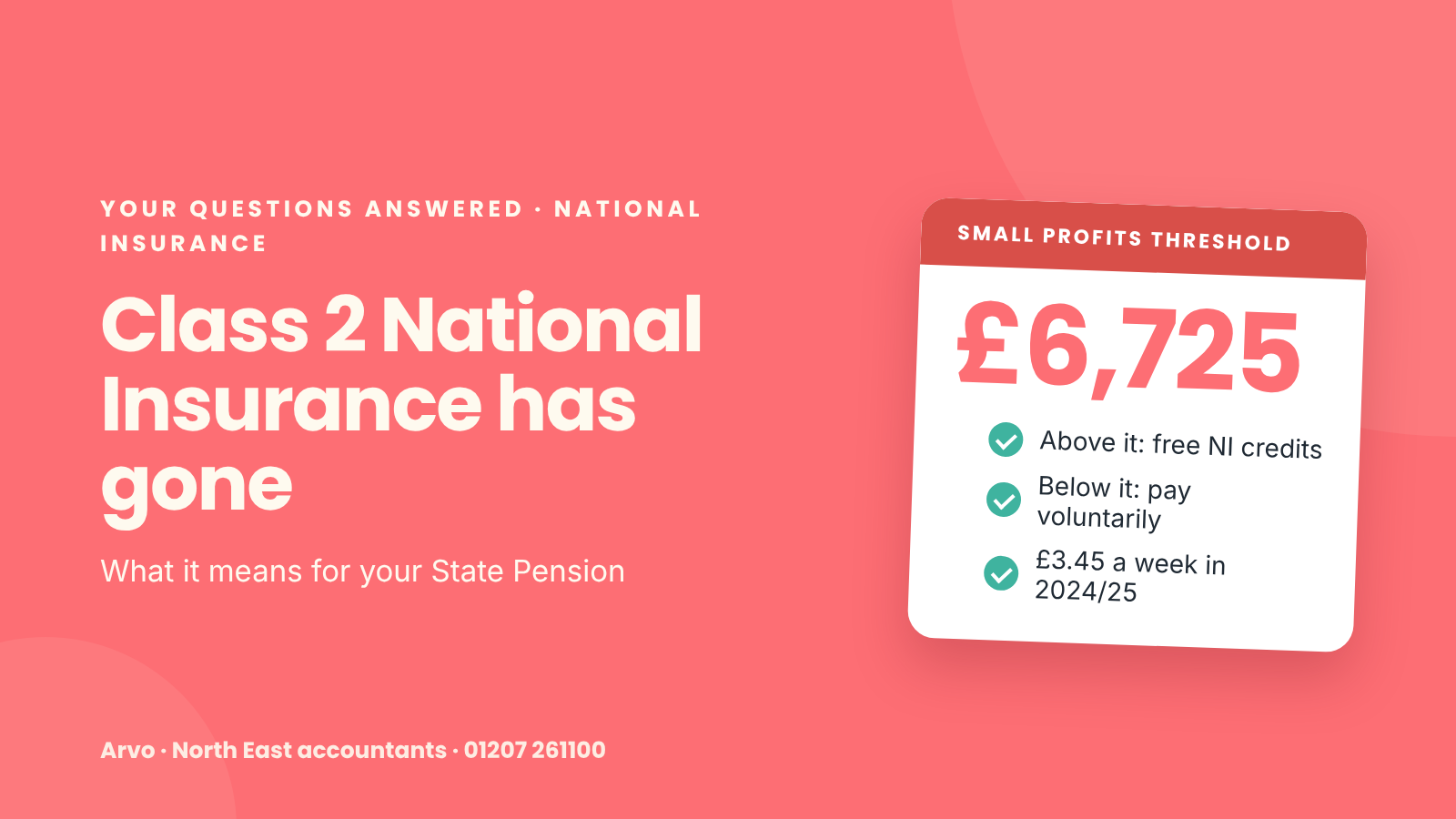
Class 2 National Insurance has gone: what it means for your State Pension
Self-employed people no longer have to pay Class 2 National Insurance. Here's how you still build your State Pension, and who should think about paying voluntarily.
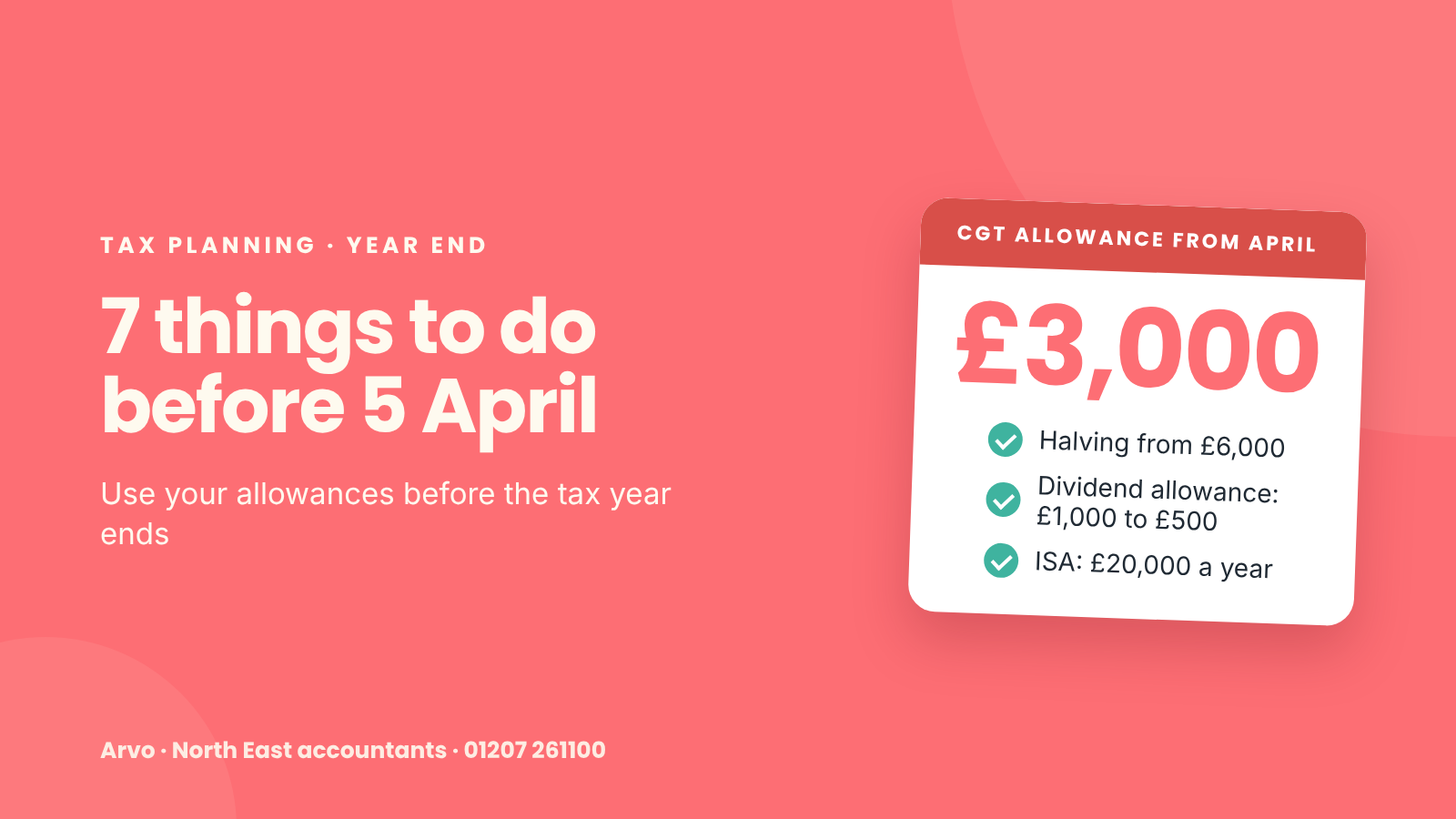
Tax year-end checklist: 7 things to do before 5 April 2024
The tax year ends on 5 April. Some allowances halve from April, so here are seven things worth doing in the next couple of weeks.
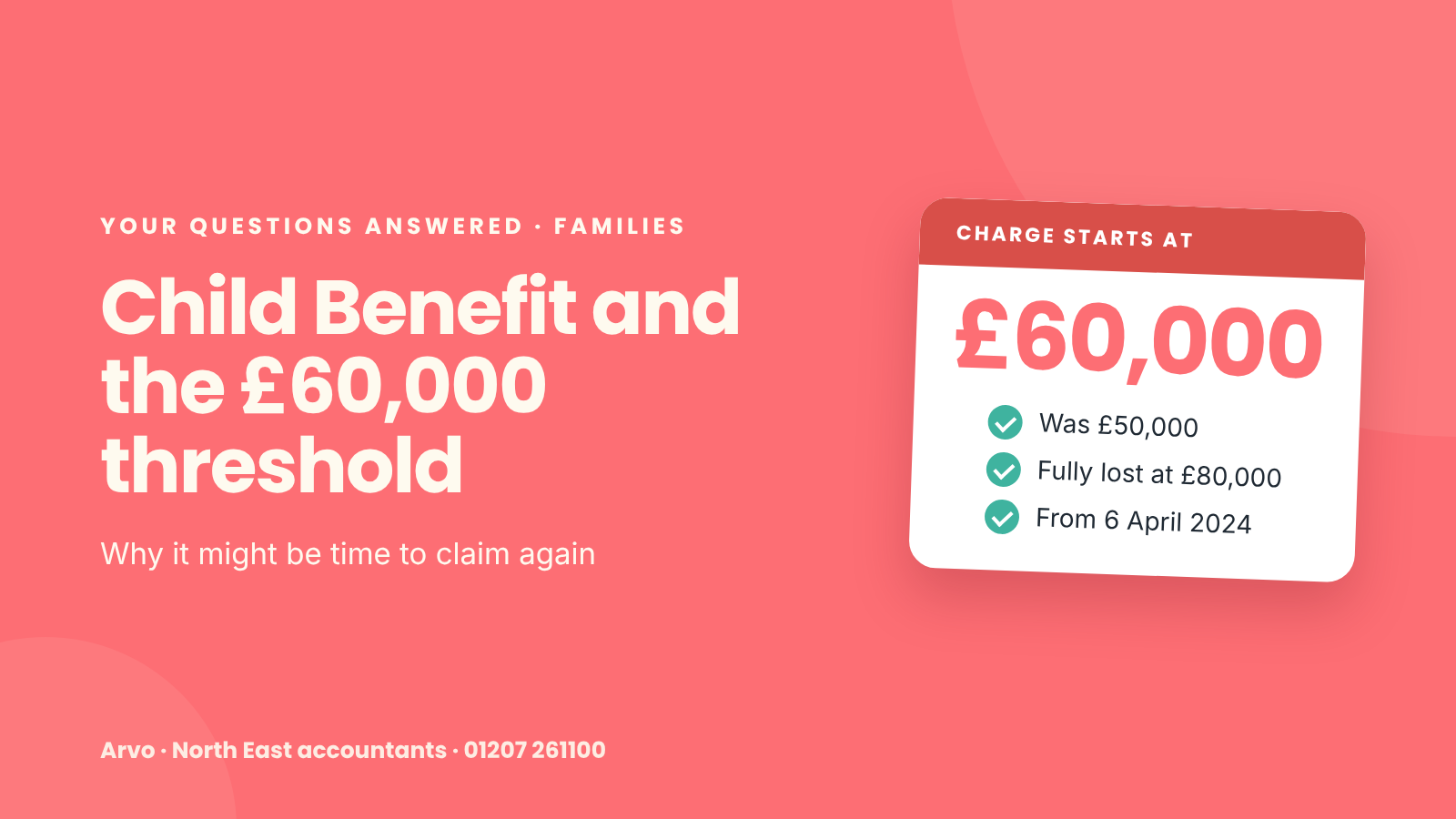
Child Benefit: the £60,000 threshold and why you might want to claim again
From 6 April 2024, the Child Benefit charge starts at £60,000. Families who stopped claiming may now be better off restarting their claim.
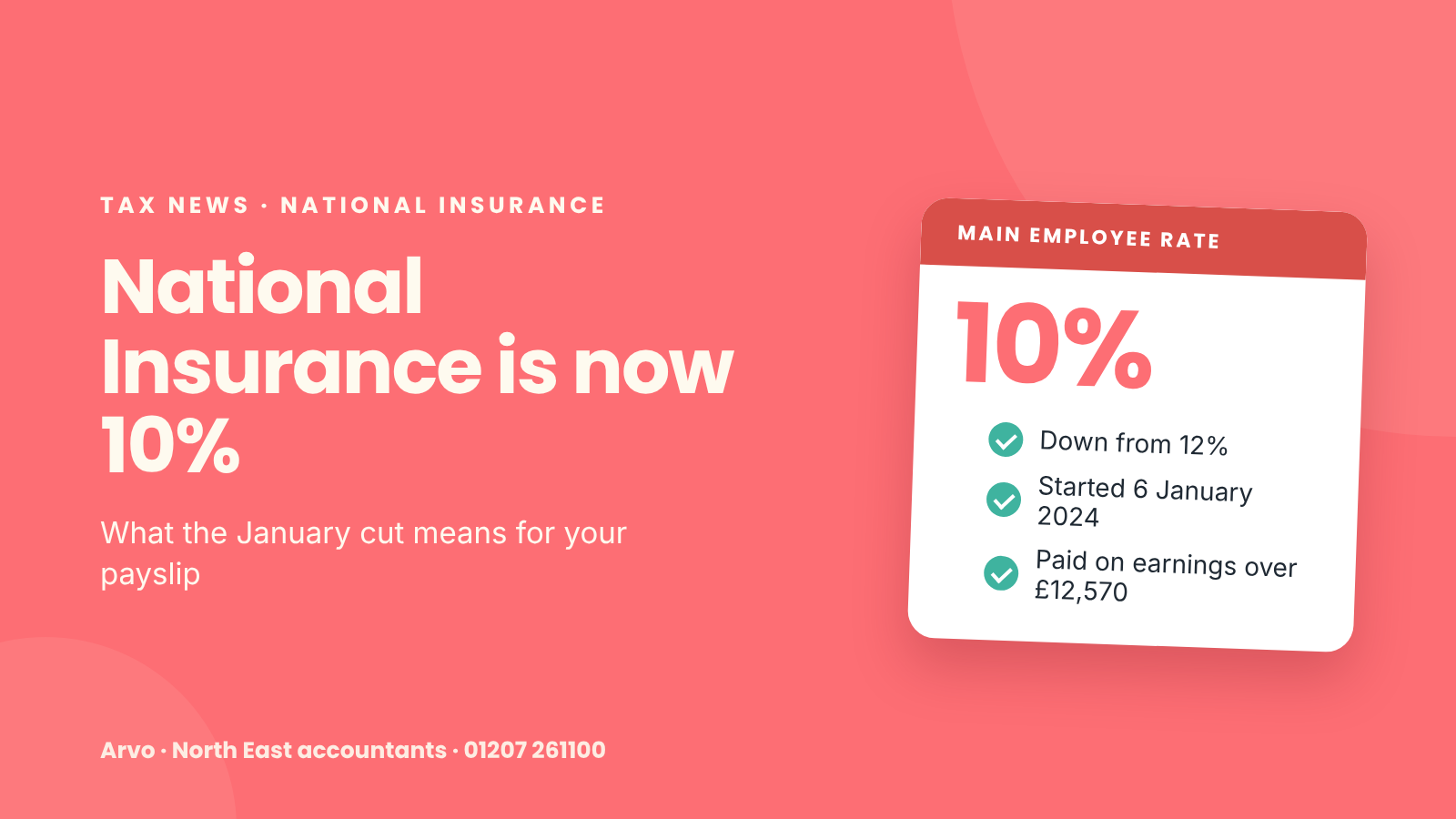
National Insurance has dropped to 10%: what it means for your payslip
Employee National Insurance fell from 12% to 10% in January. Here's what it means for your take-home pay and how to check your payslip.
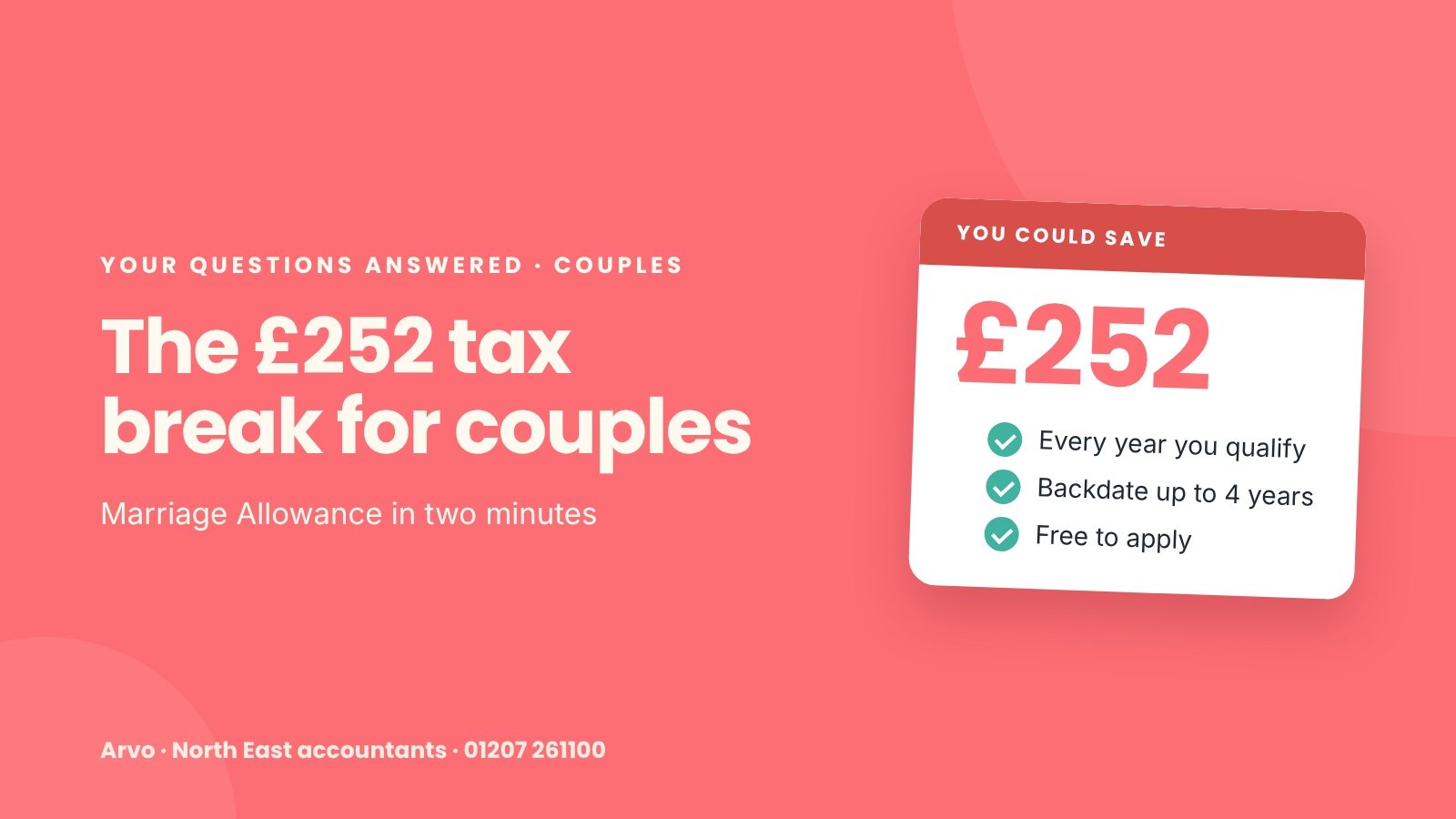
Married or in a civil partnership? The £252 tax break most couples miss
If one of you earns less than the Personal Allowance, Marriage Allowance could save you up to £252 a year, and you can backdate it four years.