
Happy bank holiday Monday. With interest rates much higher than a few years ago, more people are earning enough on their savings to pay tax. Here's how it works.
The personal savings allowance
You can earn some interest tax-free each tax year:
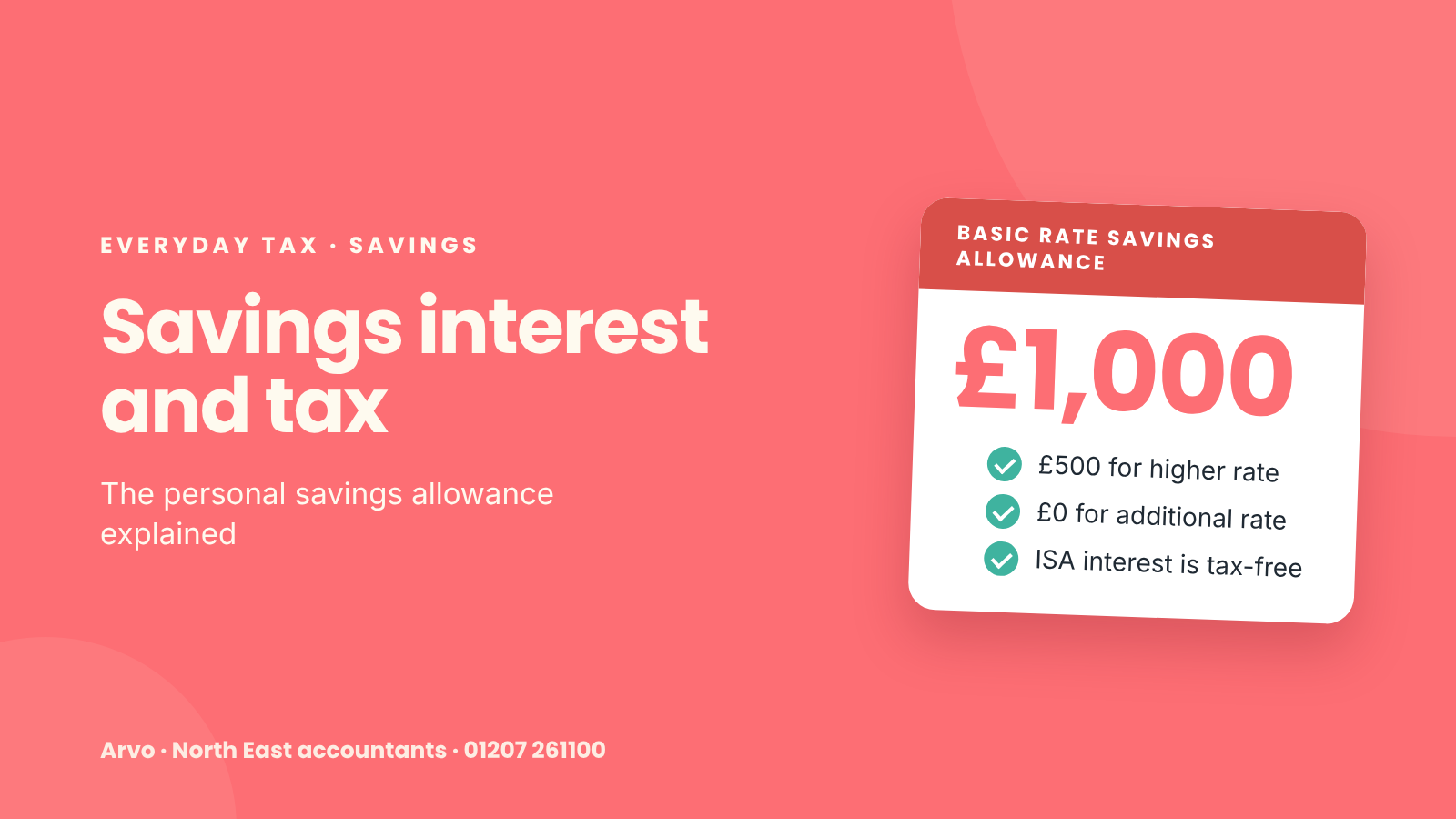
Basic rate taxpayers: £1,000
Higher rate taxpayers: £500
Additional rate taxpayers: nothing
It covers interest from bank and building society accounts, most NS&I products and some other investments.
The starting rate for savings
If your other income, like wages or pension, is under £17,570, you may also get up to £5,000 of interest tax-free through the starting rate for savings. It reduces by £1 for every £1 of other income over the Personal Allowance.
ISAs
Interest in a cash ISA is tax-free and doesn't use your allowance. You can put up to £20,000 a year into ISAs.
An example
A basic rate taxpayer has £30,000 in an easy-access account paying 4%. That's £1,200 of interest. The first £1,000 is tax-free, and they'll pay 20% on £200, so £40.
How the tax is collected
Banks tell HMRC how much interest you've earned. If you're employed or get a pension, HMRC usually collects the tax by adjusting your tax code for a later year.
You'll need to fill in a Self Assessment tax return if your savings interest is over £10,000, or if you already file one.
Tips
Check your tax code. If HMRC has estimated your interest, the figure may be out of date
Use your ISA allowance first if you're likely to go over
Couples can spread savings to use both allowances
Fixed-rate bonds can pay all the interest in one year, which can push you over the allowance
Related reads
How Arvo can help
We can check your tax code, include savings interest correctly on your tax return and help you plan ahead.
Get in touch to arrange a free, no-obligation chat, or call us on 01207 261100.