
Software is one of the most common areas for R&D tax relief claims. But writing code isn't R&D on its own. The question is whether your developers had to solve a problem that a competent developer couldn't easily work out.
What might count
Building a system that has to handle far more data, or run far faster, than existing tools allow
Developing a new algorithm or way of processing information where the method wasn't known
Getting systems to work together in a way that hadn't been done before, and needed real experimentation
Overcoming technical limits in existing platforms, rather than just working within them
What usually doesn't
Building a website or app using standard tools and frameworks
Adding features that any competent developer would know how to build
Design work about how the product looks rather than how it works
Routine bug fixing, testing and maintenance
What costs you can claim
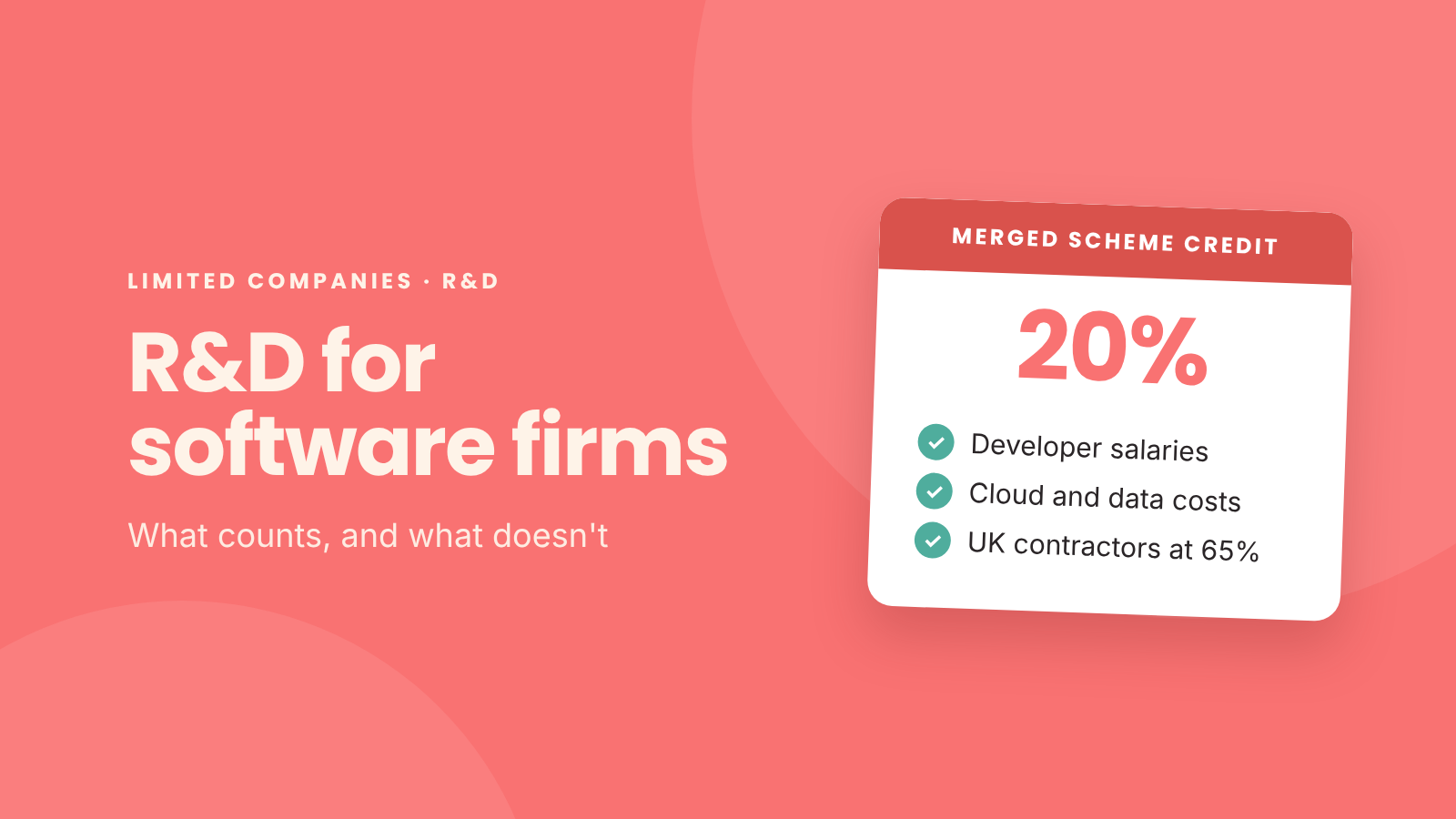
For software projects, the biggest cost is usually staff time: salaries, employer's National Insurance and pension contributions for developers working directly on the R&D. You can also include cloud computing and data costs used for the R&D, software licences, and UK-based contractors and freelancers, usually at 65% of the cost.
Work done overseas usually doesn't count, so if you use developers abroad, those costs are likely to be excluded.
Keep the evidence
Your development tools already hold a lot of the evidence: tickets, commit history, technical notes and sprint records. Make sure someone can explain, in plain English, what the technical problem was and why it was hard.
You might also find these useful
How Arvo can help
We're a local accountancy practice in Stanley, County Durham, working with tech businesses across the North East. We'll give you an honest view on whether your projects sound like R&D, and introduce you to a specialist we trust to prepare your claim.
Find out more about our R&D tax relief service.
Get in touch to arrange a free, no-obligation chat, or call us on 01207 261100.